Fire officials in Mesa County, Colorado, are urging RV owners to take extra steps for safety after two major recreational vehicle fires struck the area this month. These blazes, one in Grand Junction on October 14 and another in Clifton on October 25, highlight the risks that come with RV living and travel, prompting experts to share key ways to avoid such dangers.
Recent RV Fires Spark Concern in Mesa County
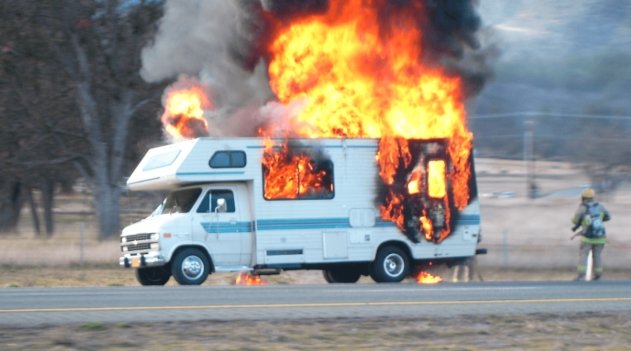
Mesa County has seen a spike in RV incidents lately, raising alarms among local residents and travelers. On October 14, a camper trailer caught fire early in the morning on the 200 block of 28 1/2 Road in Grand Junction. The Grand Junction Fire Department arrived quickly at 7:02 a.m. and put out the flames, but not before the fire spread to two nearby vehicles and a utility trailer.
No one was hurt in that event, as the RV was empty at the time. Officials are still looking into what started it, but the quick response kept things from getting worse. Just days later, on October 25, another RV went up in flames at a gas station in Clifton. Firefighters from the Clifton Fire Protection District rushed to the 400 block around 9:06 a.m. and found the engine compartment fully involved.
In a heartwarming turn, they rescued two dogs from the vehicle with no injuries to people or pets. The fire did not spread to the gas pumps, thanks to the crews’ fast work. These back-to-back events have locals talking about how RVs mix the hazards of cars and homes, making fire risks higher than in regular vehicles.
Common Causes Behind RV Fires
RV fires often stem from simple oversights that build up over time. Experts point to electrical issues as the top culprit, accounting for about 35 percent of all cases nationwide. Faulty wiring, loose connections, or overloaded circuits can spark heat and flames without warning.
Engine problems rank high too, especially in older models. Low oil levels or poor maintenance lead to overheating, while frayed wires in the motor area add fuel to the fire. For those with electric RVs, battery troubles like thermal runaway pose a real threat, where damaged cells overheat and explode.
Propane systems bring their own dangers if not checked right. Leaks from loose tubes or faulty stoves can ignite easily. Cooking mishaps, like leaving grease unattended, cause many stationary fires. Even small things, such as nests from rodents or insects in vents, block airflow and raise temperatures.
Data from fire safety groups shows around 2,000 to 6,000 RV fires happen each year in the U.S., leading to deaths, injuries, and big property losses. In Mesa County, the recent cases fit this pattern, with unknown starts but likely tied to these everyday issues.
| Common Cause | Percentage of Fires | Example Risks |
|---|---|---|
| Electrical Shorts | 35% | Overloaded outlets, frayed wires |
| Engine Overheating | 20% | Low oil, poor maintenance |
| Propane Leaks | 15% | Loose connections, untested lines |
| Cooking Accidents | 10% | Unattended stoves, grease buildup |
| Battery Failures | 10% | Thermal runaway in electric models |
This table breaks down the main triggers based on national reports, showing why regular checks matter so much.
Key Prevention Tips for RV Owners
Staying safe starts with basic habits that anyone can follow. First, keep up with maintenance schedules to catch problems early. Have a pro inspect your RV’s engine, wiring, and propane setup at least once a year.
Use the right gear for power needs. Stick to approved cables and avoid daisy-chaining extensions, which overload systems. Test all appliances before trips and look for seals from trusted groups like UL Solutions.
Propane users should check tubes for tight fits and sniff for leaks using soapy water on connections, which bubbles if gas escapes. Clear away bushes or debris near the engine to stop sparks from spreading.
Inside the RV, keep flammables far from the stove and never leave cooking alone. Install working smoke and carbon monoxide detectors, and replace batteries twice a year. Have at least one ABC fire extinguisher near the door, and know how to use it with the PASS method: pull the pin, aim low, squeeze the handle, and sweep side to side.
For families, practice escape drills so everyone knows two ways out. These steps can cut risks by a lot, as seen in how quick action saved lives in the Clifton fire.
- Install smoke and CO alarms in sleeping areas and test them monthly.
- Store extra fuel and cleaners in sealed containers outside the RV.
- Avoid running multiple high-power devices like AC and microwave at once.
- Check tire pressure and brakes before every drive to prevent friction fires.
What Happens in an RV Fire Emergency
When flames start, every second counts. Get out fast and call 911 right away, giving your exact spot like campground name or mile marker. Do not go back inside for items, as smoke and toxic fumes from plastics can knock you out quick.
If safe, use an extinguisher on small fires, but leave bigger ones to pros. RVs burn fast, often in under 10 minutes due to their wood frames and close-packed gear. Recent events in Mesa County show how fires spread to nearby vehicles if not contained.
Local fire teams stress having a plan. In the Grand Junction case, empty RVs helped, but occupied ones need practice. Stay low to avoid smoke and meet at a set spot away from the rig.
Local Experts Weigh In on Staying Safe
Dirk Clingman, a community outreach specialist with the Grand Junction Fire Department, explains that RVs pack car and home risks into one unit. He notes complex electrical setups in modern models can overload if too many gadgets run at once, just like in houses.
Clingman pushes for fire drills and clear exits. He also warns about thermal runaway in electric batteries, a growing issue as more green RVs hit roads. Tying this to broader trends, national data shows fires up slightly in 2025 with more remote travel.
Other experts echo this, saying older RVs face higher odds from worn parts. Simple fixes, like cleaning vents to stop nests, prevent many blazes. By blending these tips with local alerts, owners can enjoy trips without worry.
As RV use grows this fall, share these safety steps with friends and drop a comment below on your own prevention ideas to help spread the word.