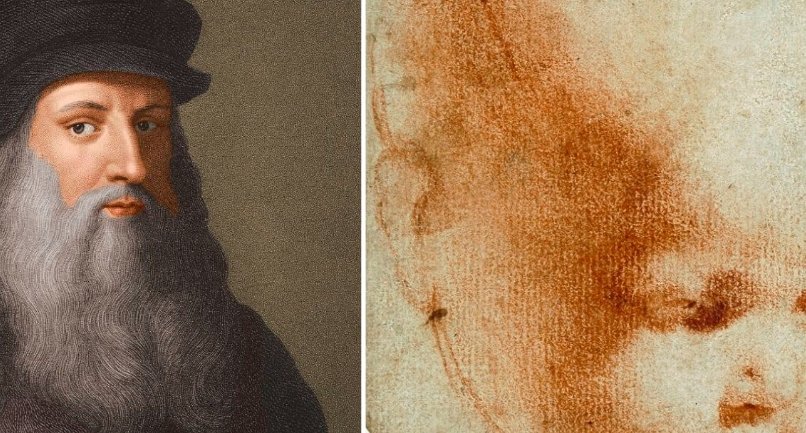
Scientists have pulled DNA from a red chalk drawing called Holy Child, thought to be by Leonardo da Vinci from around 1470. This breakthrough, announced in early 2026, could help prove if the sketch is real and unlock secrets about the famous artist’s life.
The team used gentle methods to collect tiny bits of genetic material from the artwork without harm. Their work opens doors to better ways of checking old art and learning about people from history.
The Hunt for Da Vinci’s Genetic Code
Researchers started this project by looking at the Holy Child sketch, a small drawing of a child that experts link to da Vinci. They swabbed the surface carefully to grab any leftover skin cells, hair, or sweat from over 500 years ago.
This is part of a bigger effort called the Leonardo da Vinci DNA Project, which has been going on for years. The goal is to find and study the artist’s genes to understand his genius in painting, science, and invention.
In their tests, scientists found a Y-chromosome sequence that matches a group common in Tuscany, where da Vinci was born in 1452. This matches what we know about his family roots.
But the team admits they cannot be fully sure the DNA is from da Vinci himself. It could come from others who touched the sketch over time, like owners or restorers.
How They Pulled Off the Extraction
The process used high-tech tools to pull out and read the DNA without hurting the fragile chalk lines. Experts wore special suits and worked in clean rooms to avoid mixing in modern genes.
They found not just human DNA, but also bits from plants and animals. For example, traces of citrus from old gardens and willow trees point to life in Renaissance Italy.
Here is a quick look at what the scientists discovered in the samples:
- Human Y-chromosome markers tied to Tuscan families.
- Plant DNA from local fruits and trees.
- Animal traces from livestock common back then.
This mix paints a picture of the world around the sketch when it was made.
The team compared this to DNA from letters written by da Vinci’s relatives. Those matches make the case stronger, but more checks are needed.
Why This Matters for Art and History
Finding DNA like this could change how we prove who made old artworks. Many pieces from the Renaissance lack clear records, leading to fights over fakes and real ones.
For da Vinci, known for works like the Mona Lisa and The Last Supper, this adds a new layer to his story. He was a master painter but also designed flying machines and studied human bodies.
If confirmed, the DNA could show health details or family ties. Some think it might explain his sharp mind and left-handed drawing style.
Experts say this method could work on other famous art. Imagine testing sketches by Michelangelo or Raphael for their genetic marks.
Challenges Ahead in Proving the Find
Not everyone agrees the DNA is da Vinci’s. The sketch has changed hands many times since the 1400s, so contamination is a big risk.
Scientists need more samples to compare. They have looked at da Vinci’s possible grave in France, but digging there is tricky due to rules on old sites.
| Challenge | Description | Possible Solution |
|---|---|---|
| Contamination | Modern or past handlers could have left DNA | Use advanced filters to sort old from new genes |
| Attribution | Not 100% sure da Vinci drew it | Compare to his known works and styles |
| Sample Size | Only small amounts found | Test more artworks linked to him |
| Ethical Issues | Handling fragile art | Develop non-harmful tech for future tests |
These hurdles show why the study is not yet peer-reviewed. More work will help build trust in the results.
Related events, like recent DNA finds in other old items, boost hope. For instance, in 2025, experts pulled genes from a Viking sword, proving its maker’s origin.
What This Means for the Future
This discovery ties into trends in science and art. With tools like CRISPR and AI, we can now explore history in ways da Vinci might have dreamed about.
It also sparks talks on owning cultural items. If DNA proves a work is real, it could raise its value at auctions, like the record $450 million for da Vinci’s Salvator Mundi in 2017.
Fans of history and science are excited. This could lead to books, shows, and exhibits on da Vinci’s hidden life.
As research goes on, stay tuned for updates. Share your thoughts in the comments below or pass this story to friends who love art mysteries. What do you think this DNA could reveal next?