
Edinburgh will launch Scotland’s first tourist tax next summer, adding a 5 percent charge to overnight stays for visitors. This move aims to fund city improvements amid growing tourism pressures, with other areas like Glasgow and Aberdeen set to follow soon.
How Edinburgh’s Visitor Levy Operates
The City of Edinburgh Council approved the transient visitor levy, which kicks in for stays starting July 24, 2026. Visitors booking hotels, bed and breakfasts, or holiday lets from October 1, 2025, onward will see the extra fee on their bills. This applies only to the first five nights of any trip, helping ease the load on longer festival stays that draw millions each August.
Accommodation providers collect the charge and pass it to the council, which must use most funds for visitor services like public spaces and events. For a typical 100 pound room, that means about five pounds extra per night. Prepaid bookings made before the cutoff date stay exempt, giving travelers a chance to plan ahead without the added cost.
Experts note this setup mirrors successful schemes in cities like Amsterdam, where similar taxes support urban upkeep without scaring off crowds. Early data from similar UK spots shows the levy can boost local economies if spent wisely on attractions.
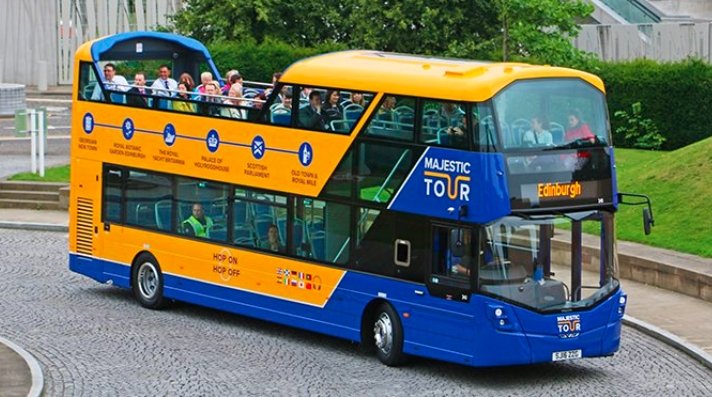
Plans Spread Across Scottish Destinations
Several councils in Scotland eye similar visitor levies to tackle tourism strains on infrastructure. Glasgow City Council greenlit a 5 percent tax for January 2027, projecting 16 million pounds yearly for events and transport upgrades. This follows Edinburgh’s lead and could make Scotland’s biggest city even more vibrant for music lovers and shoppers.
Aberdeen aims for a higher 7 percent rate by April 2027, adding around 4.90 pounds to average 70 pound rooms and raising up to 6.8 million pounds for projects. Fife explores options that might generate 8.2 million pounds annually, while Dumfries and Galloway weighs in on rural tourism needs.
Not all areas jump in right away. Highland and Stirling discuss but face delays from public pushback. Argyll and Bute pauses amid business worries, and South Ayrshire dropped plans after low support. Island groups like Shetland, Orkney, and the Outer Hebrides reject or hold off, pushing for entry point fees at ports to catch cruise visitors who often skip the tax.
Here is a quick look at key areas and their status:
| Location | Planned Rate | Start Date | Expected Revenue (Annual) |
|---|---|---|---|
| Edinburgh | 5% | July 2026 | Up to 50 million pounds |
| Glasgow | 5% | January 2027 | 16 million pounds |
| Aberdeen | 7% | April 2027 | 6.8 million pounds |
| Fife | Under review | TBD | Up to 8.2 million pounds |
This table highlights how rates and timelines vary, reflecting local tourism volumes.
Mixed Reactions from Locals and Businesses
Opinions split sharply on the tourist tax across Scotland. Many residents welcome the funds for strained services, like cleaning up after festival crowds that leave streets messy. One hotel manager shared hopes for better upkeep, noting summer wear and tear hits hard without extra cash.
Tourism groups push back, fearing the levy deters budget travelers. A recent poll showed 69 percent of respondents might skip Edinburgh due to the cost, on top of 20 percent VAT already tacked on rooms. Small operators worry about admin burdens, especially with unclear guidance on exemptions for disabled visitors who could still face indirect VAT hits.
Reddit threads buzz with debates, some calling 5 percent reasonable compared to Europe’s 10 percent averages, others fearing crumbling infrastructure if not spent right. Recent events, like Manchester’s 1 pound nightly charge raising 2.8 million pounds in year one, offer hope that done well, it sustains rather than shrinks visitor numbers.
Business pleas for delays surfaced in August 2025, citing unworkable timelines, but councils press on to meet legal deadlines from the 2024 Act.
Economic Boost or Hidden Cost?
Proponents argue the tax sustains Scotland’s 15 billion pound tourism sector, which employs one in ten workers. Funds could fix potholes, expand parks, and preserve historic sites strained by 1.8 million annual Edinburgh visitors. Logical steps include tying revenue to visible projects, like upgraded Royal Mile paths, to build trust.
Critics predict losses, with one analysis warning of 275 million pounds hit from fewer stays and spending. Staycationers, including Scottish families, face the same pinch, potentially hurting local getaways. Yet, balanced views from places like Bournemouth, where a 2 pound fee aids without major dips, suggest adaptation through early bookings.
Adding context, Wales eyes a 1.25 pound levy by 2027, showing UK-wide trends. Scotland’s approach emphasizes reinvestment, aiming to keep attractions world class amid overtourism debates.
Tips for Travelers Facing the Levy
Smart planning helps beat the extra costs. Book prepaid stays before October 1, 2025, for Edinburgh trips post July 2026 to dodge the fee entirely. Look for packages bundling the tax or check council sites for exemptions on longer business trips.
Consider nearby spots without levies yet, like paused island areas, for unique experiences. Budget an extra 5 to 7 percent for future visits to Glasgow or Aberdeen, but remember it funds the very draws like festivals and castles that make Scotland shine.
As these changes roll out, share your thoughts in the comments below. Have you faced tourist taxes abroad? Will this sway your Scotland plans? Drop a share if this helps your travel prep.