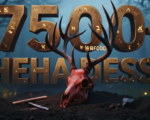
San artists in South Africa painted a strange creature on a rock wall nearly 200 years ago. New research shows this horned serpent from the 1800s likely came from fossils of a beast that died out over 200 million years back.
The painting sits in the Karoo Basin, a spot full of old bones. Experts say the San people spotted these fossils and turned them into art long before scientists did the same.
The Mystery of the Horned Serpent Panel
This rock art puzzle has lasted for years. The Horned Serpent panel at La Belle France in Free State province shows hunters in battle with animals like antelope and an aardvark. But one figure stands out a long spotted body with tusks that curve down.
Painted between 1821 and 1835, the artwork captures San life. The odd beast does not match any living animal from that time. Researchers long wondered if it came from dreams or real sights.
Paleontologist Julien Benoit from the University of the Witwatersrand studied the site. He found the tusks point straight down, unlike those of elephants or warthogs. This clue points to something ancient.
The panel also ties to San stories of big beasts that once roamed the land but vanished. These tales match the idea of extinct creatures in the art.

What Makes a Dicynodont Special
Dicynodonts ruled Earth in the Permian and Triassic times, from 260 to 200 million years ago. These plant eaters had beaks and two tusks for digging or defense. They looked part reptile and part mammal, with thick bodies up to pig size.
The Karoo Basin holds thousands of their fossils. Erosion often shows skulls with clear tusks sticking out. Benoit notes these bones are easy to spot and understand, even without tools.
Over 100 types of dicynodonts lived there. Some like Lystrosaurus survived the big extinction that killed most life. Their remains litter the ground near the art site.
- Dicynodonts had downward tusks for rooting food.
- They walked on four legs with strong limbs.
- Skin might have had bumps, like the dots on the painted beast.
- Many fossils curl in a death pose, matching the arts curved back.
This table compares the rock art figure to real dicynodont traits:
| Feature | Rock Art Depiction | Dicynodont Fossils |
|---|---|---|
| Tusks | Curve straight down | Point downward prominently |
| Body Shape | Long and thin with spots | Elongated, possible warty texture |
| Pose | Curved back like in pain | Often in opisthotonic death curl |
| Size Estimate | Large mythical scale | Up to 3 meters long |
| Habitat Link | Tied to water myths | Lived in ancient river areas |
Fossils Near the Art Fuel the Theory
The La Belle France site sits right in fossil country. Benoit visited and found bone bits of old tetrapods close by. San tools from digs show they roamed and gathered these remains.
Archaeology proves the San moved fossils over miles. They saw bones as part of their world, not just rocks. This habit links the art to real finds.
The painting beats the first science note on dicynodonts by at least 10 years. Richard Owen named one in 1845, but the San drew it first. This makes them early bone hunters in a way.
Recent digs in the Karoo turned up more dicynodont skulls. One from Oviston Nature Reserve matches the arts head shape. Erosion keeps revealing them, just like in San times.
Experts tie this to other finds. In 2024, a new dicynodont type came from the same basin. It shows the area still gives clues to deep time.
San Culture and the Role of Myths
The San people hold deep ties to nature. Their art often shows spirit animals in rain dances or hunts. The horned serpent fits as a rain beast, called to bring water.
Myths speak of huge brutes that ruled long ago. Elders told of monsters with horns that shaped the land. This geomyth points to fossil knowledge passed down.
Benoit says the San mixed real sights with spirit views. The tusked figure might play in ceremonies to call storms. Fossils gave the spark for these beliefs.
This blend shows smarts in reading the past. Unlike Western science, San ways wove bones into daily life and stories. It challenges old views on who first knew deep history.
Other rock arts hint at fossils too. In nearby sites, strange beasts match old sea creatures. This pattern suggests wide awareness among the San.
Why This Matters for History and Science Today
The find rewrites how we see early science. The San acted as paleontologists before the word existed. They found, read, and drew extinct life without books or labs.
This boosts respect for Indigenous knowledge. In South Africa, Karoo fossils draw tourists and researchers. The art site now gets more eyes for its double story of past and present.
Ties to today include climate talks. Extinct beasts remind us of big changes, like the Permian wipeout from heat. San views on balance with nature offer lessons now.
Experts call for more studies. Scanning other panels might show more fossil links. It could prove the San knew Earths full timeline.
Protecting these sites grows key. Vandalism and weather threaten the art. Groups work to save them for future eyes.
Share your thoughts on this ancient link in the comments. Did the San unlock secrets we still chase? Pass this story to friends who love history or beasts from long ago.