
Scammers are getting smarter, and their tactics more deceptive. Law enforcement officials across the United States are sounding the alarm as fraudulent schemes grow increasingly sophisticated, making it harder than ever for everyday Americans to distinguish between legitimate communications and dangerous traps designed to steal money and personal information.
Scammers Are Evolving Their Tactics Daily
The landscape of fraud has transformed dramatically in recent years. Criminals now use advanced technology, artificial intelligence, and psychological manipulation to create convincing schemes that fool even cautious individuals.
Scammers rely heavily on creating a sense of urgency. They want victims to act immediately, before rational thinking kicks in. This pressure tactic is designed to bypass your natural defenses and push you into making hasty decisions you’ll regret.
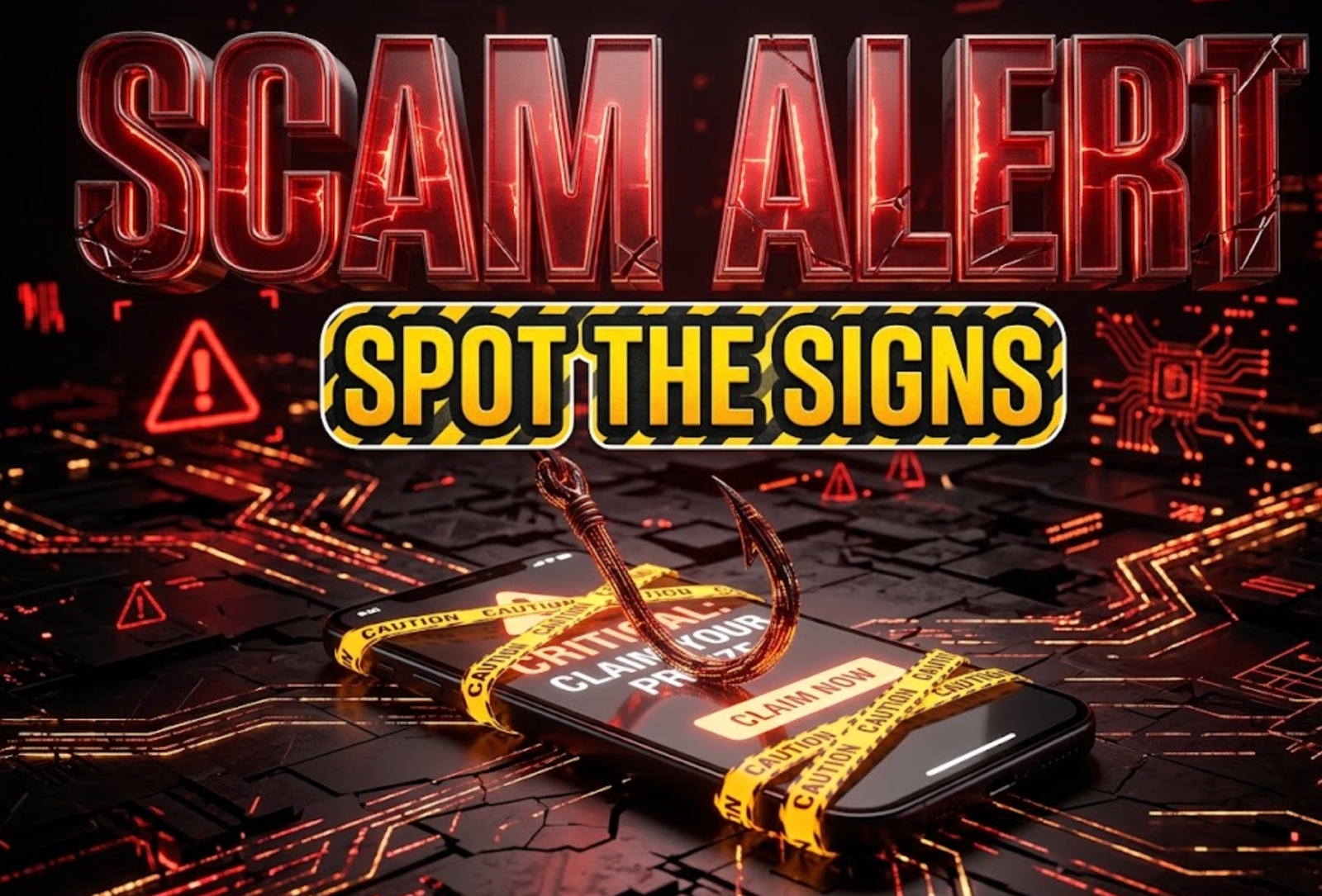
Officer Elijah Swank from the Fruita Police Department in Colorado explains that bait tactics are central to modern scams. Fraudsters craft attention-grabbing messages that hook victims emotionally, whether through fear, excitement, or curiosity. Once someone takes the bait, scammers guide them step by step deeper into the trap.
The financial impact is staggering. According to the Federal Trade Commission, Americans lost over $10 billion to fraud in 2023, with the average victim losing approximately $500 per incident.
Red Flags That Signal Danger
Identifying scam attempts requires knowing what to look for. Small details often reveal the truth behind seemingly legitimate messages.
Typos and grammatical errors are major warning signs. While professional organizations carefully proofread their communications, scammers frequently overlook these details. Look closely at emails, text messages, and websites for misspelled words, awkward phrasing, or unusual sentence structures.
Formatting inconsistencies also raise red flags. Legitimate companies maintain consistent branding, logos, and communication styles. If something looks slightly off, trust your instincts.
Here are common scam indicators:
• Requests for immediate action or payment
• Threats of legal consequences or arrest
• Promises of unexpected prizes or refunds
• Requests for gift cards or wire transfers
• Unsolicited contact claiming to be from government agencies
• Links or attachments from unknown senders
• Poor spelling and grammar throughout messages
The Law Enforcement Impersonation Scam
One particularly troubling trend involves criminals posing as police officers, sheriff’s deputies, or federal agents. These scammers create panic by claiming victims have outstanding warrants, missed jury duty, or committed identity theft.
Law enforcement will never request payment over the phone for warrants or legal matters. This is perhaps the most important fact to remember. Real officers do not call asking for money to clear warrants, avoid arrest, or resolve legal issues.
Officer Swank emphasizes this point clearly. If someone claiming to be law enforcement demands payment, it’s a scam. Legitimate warrant procedures involve in-person contact, not phone calls demanding gift cards or wire transfers.
Scammers using this tactic often spoof caller ID to display official government phone numbers, making the calls appear authentic. They may provide badge numbers, case numbers, and other official-sounding details to enhance credibility.
What Law Enforcement Wants You to Know
Police departments nationwide encourage citizens to reach out when something feels suspicious. There’s no such thing as bothering law enforcement with potential scam reports.
Taking time to verify information can save thousands of dollars and prevent identity theft. Slowing down is your best defense against urgency-based scams.
If you receive a suspicious call or message claiming to be from a government agency, hang up and contact that agency directly using a phone number you find independently. Never use contact information provided in the suspicious message.
| Action | Why It Matters |
|---|---|
| Pause before responding | Breaks the urgency trap scammers create |
| Verify independently | Confirms legitimacy through official channels |
| Never share personal info | Protects identity and financial data |
| Report suspicious activity | Helps law enforcement track scam patterns |
Practical Steps to Protect Yourself
Prevention starts with awareness and ends with consistent security habits. Small changes in how you handle communications can dramatically reduce your risk.
Never click links in unsolicited emails or text messages. Even if the message appears to come from a known company, navigate to their website directly by typing the address yourself.
Avoid responding to suspicious messages entirely. Engagement confirms your contact information is active, making you a target for future scams.
Always verify the source before taking any action. If your bank, the IRS, or any organization contacts you unexpectedly, end the communication and reach out through official channels you’ve researched independently.
Personal information is currency for criminals. Never share Social Security numbers, bank account details, passwords, or other sensitive data unless you initiated the contact and verified the recipient’s legitimacy.
Enable two-factor authentication on all accounts that offer it. This adds an extra security layer that stops many fraud attempts even if scammers obtain your password.
Register your phone number with the National Do Not Call Registry. While it won’t stop all unwanted calls, it reduces legitimate telemarketing and makes it easier to identify potential scams.
As fraud schemes grow more complex and convincing, staying informed and skeptical provides your strongest protection. Law enforcement agencies stress that reporting suspicious activity helps them identify patterns, warn communities, and potentially catch criminals before more people fall victim. If something feels wrong, trust that instinct and make the call to your local police department’s non-emergency line. Your vigilance today could prevent financial devastation tomorrow.
What scam tactics have you encountered recently? Share your experiences in the comments below to help others stay safe, and spread awareness by discussing fraud prevention with family and friends who might be vulnerable to these schemes.