As temperatures plunge across Colorado’s Grand Valley and much of the United States in early 2026, experts warn that extreme cold can lead to serious health risks like hypothermia and frostbite. With recent forecasts predicting single-digit and sub-zero conditions, people need practical steps to protect themselves, their families, and pets during this harsh winter spell.
Understanding the Dangers of Extreme Cold
Extreme cold grips many regions each winter, but the current wave in 2026 has already caused disruptions from heavy snow to power outages. Meteorologists define extreme cold as temperatures below single digits, often with wind chills making it feel even colder.
This weather increases risks for everyone, especially older adults, children, and those with health issues. Recent reports show a spike in emergency room visits for cold-related injuries, with cases rising by 15 percent in affected states compared to last year. Knowing the signs early can save lives.
Health experts stress that prolonged exposure leads to the body losing heat faster than it can produce it. Factors like wet clothing or strong winds worsen the situation. In Colorado alone, officials have issued alerts urging residents to limit time outdoors.
Essential Clothing and Layering Tips
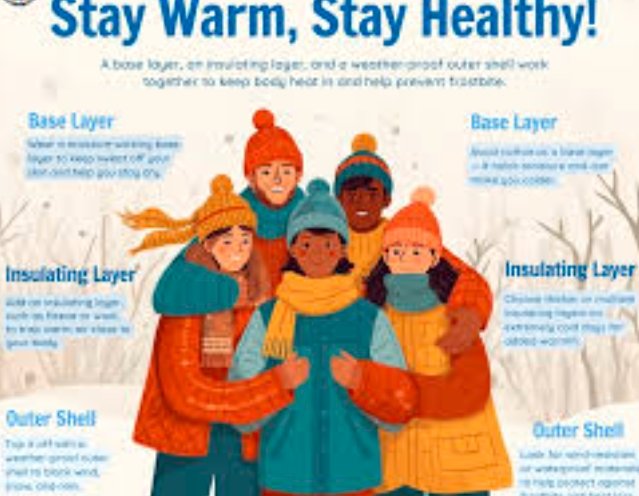
Dressing right forms the first line of defense against freezing temperatures. Experts recommend multiple layers to trap body heat effectively.
Start with a moisture-wicking base layer, add insulating middle layers like fleece, and top with a waterproof outer shell. This approach keeps you dry and warm, unlike relying on just a heavy coat.
For hands, feet, and head, use gloves, thick socks, and hats since these areas lose heat quickly. Recent advice from weather services highlights covering exposed skin to prevent frostbite, which can set in within minutes at sub-zero levels.
Many people overlook accessories, but items like scarves over the mouth help warm inhaled air. In the latest cold snap, communities in the Midwest reported fewer incidents among those who layered properly.
Nutrition and Hydration for Cold Weather
Your body needs fuel to generate heat in extreme cold. Eating calorie-rich foods provides energy to maintain core temperature.
Focus on meals with proteins, fats, and carbs, such as nuts, soups, and hot cereals. Dehydration sneaks up in winter because thirst decreases, so drink water or warm fluids regularly.
| Food Type | Examples | Benefits in Cold Weather |
|---|---|---|
| Proteins | Eggs, meat, beans | Builds energy reserves |
| Fats | Avocados, cheese | Provides long-lasting warmth |
| Carbs | Oatmeal, bread | Quick energy boost |
| Warm Drinks | Herbal tea, broth | Hydrates and warms internally |
Avoid alcohol and caffeine, as they can increase heat loss. Recent studies from health organizations show that proper nutrition reduces hypothermia risks by up to 20 percent during cold waves.
Staying active indoors also helps, but balance it with rest to avoid exhaustion.
Recognizing and Responding to Cold Injuries
Shivering uncontrollably signals your body is too cold, a key warning for hypothermia. Move to a warm spot immediately and sip warm drinks.
Frostbite shows as numb, pale skin, often on fingers or toes. Warm the area gently, but avoid rubbing it.
- Seek medical help if skin turns white or grayish-yellow.
- Change out of wet clothes right away to prevent further cooling.
- Use blankets or body heat from others in emergencies.
In 2026’s ongoing cold front, first responders in states like Minnesota have treated hundreds for these issues. Quick action prevents permanent damage.
For severe cases, call emergency services without delay. Prevention beats treatment, so monitor vulnerable family members closely.
Indoor Safety and Home Preparation
Staying warm inside requires safe heating methods to avoid fires or carbon monoxide poisoning. Use space heaters with auto shut-off features and keep them away from flammable items.
Check fireplaces and chimneys before use, and never leave fires unattended. With energy demands high this winter, some areas face outage risks, so stock blankets and emergency kits.
Insulate homes by sealing drafts around windows and doors. Recent utility reports indicate that proper insulation can cut heating costs by 10 to 20 percent while boosting safety.
For those using generators, place them outdoors to prevent toxic fumes. Communities hit by recent storms emphasize testing smoke alarms monthly.
Protecting Pets and Planning for Travel
Pets suffer in extreme cold too, so bring them indoors during severe weather. For outdoor animals, provide insulated shelters, blankets, and unfrozen water.
Feed pets extra to help them generate body heat. In Colorado’s Grand Valley, animal shelters report a rise in cold-related rescues this month.
If traveling, prepare your car with emergency supplies like blankets, food, and a phone charger. Recent blizzards have stranded drivers, highlighting the need for full gas tanks and weather apps for real-time updates.
Avoid unnecessary trips, and inform someone of your plans. Safety officials note that informed preparation has reduced roadside incidents in past cold events.
Emergency Preparedness for Winter Storms
Build an emergency kit with essentials like flashlights, batteries, and non-perishable food to last at least three days. Include medications and first-aid supplies.
Stay informed through local news and apps tracking forecasts. In 2026, advanced warnings have helped communities brace for storms moving from the West to the Midwest.
Practice family plans for power losses or evacuations. Experts link better preparedness to fewer fatalities in recent winters.
If you found these tips helpful during this cold snap, share this article with friends and family to spread awareness. Drop a comment below on your own winter safety strategies.