Transition from Rocky Mountain Complex Team marks a new operational phase, with flexibility built into long-term fire response.
New Leadership, Familiar Fire
MESA COUNTY, Colo. — A Type 3 Incident Management Team officially took over the Turner Gulch Fire on the morning of July 28, marking a pivotal shift in the region’s wildfire containment strategy as conditions stabilize—at least for now.
The fire, which has been burning since July 10, was initially overseen by the Rocky Mountain Complex Incident Management Team One, a more specialized unit often called in for high-priority fires. Their work laid the foundation for the current transition.
“The Rocky Mountain Team One, they’ve done a lot of great work,” said Chris Owens, Incident Commander Trainee for the incoming Type 3 Team. “They set us up very well for success going forward.”
The handoff signals a move into what fire officials call a “sustainment phase,” where resource needs are scaled down, but on-the-ground vigilance remains essential.
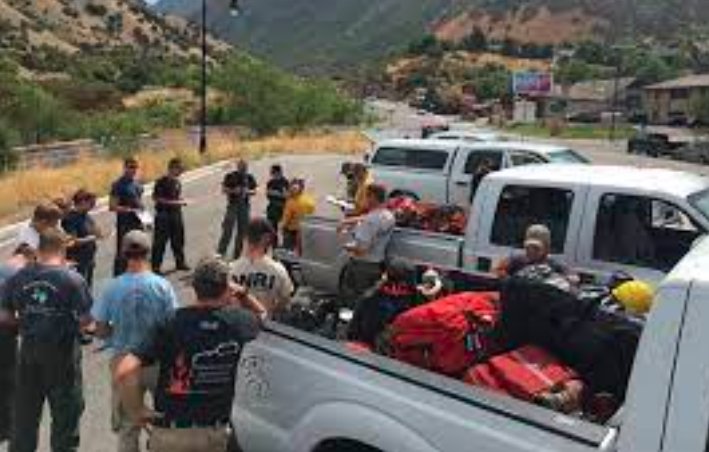
What is a Type 3 Team?
In the national wildfire response system, Type 3 Incident Management Teams are generally deployed when a fire is either:
-
Showing lower complexity, or
-
Has transitioned to a maintenance and mop-up stage.
These teams are typically composed of local or regional personnel, and are equipped to manage incidents that still demand coordination, but not the full force of national-level teams.
Owens confirmed that the Type 3 unit had shadowed the outgoing Rocky Mountain team for several days before assuming full command—ensuring continuity in strategy, communications, and safety oversight.
Contingency Planning: Two-Week Horizon
The Turner Gulch Fire isn’t out yet—and officials are keeping their plans flexible.
The current strategy gives the Type 3 team a two-week management window. After that, fire behavior, weather, and suppression progress will guide next steps.
“If conditions change and we’re not able to respond to the fire activity on the ground,” Owens noted, “we will be assessing and working with the local units—whether it needs to be elevated back up to a complex incident management team.”
This modular approach allows for rapid response to flare-ups or wind-driven changes in fire behavior, particularly as drought and heat continue to impact the Colorado River Basin and surrounding terrain.
Situation Overview: Turner Gulch Fire
-
Fire Reported: July 10
-
Initial Team: Rocky Mountain Complex Incident Management Team One
-
Current Team: Type 3 Incident Management Team
-
Next Review: 2-week assessment period (by mid-August)
-
Current Conditions: Smoldering areas, low spread activity, moderate winds
The transition comes amid broader fire activity across western Colorado and the Intermountain West, where shifting winds and regional drought continue to create volatile conditions—even as individual fires stabilize.