Health officials in Fremont County, Colorado, confirmed two deaths linked to West Nile virus on August 19, 2025. These cases highlight the ongoing threat from mosquito-borne illnesses during peak summer months, urging residents to take quick steps to protect themselves.
Details on the Recent Deaths
Public health experts reported the two fatalities in Fremont County this week. The victims showed severe symptoms after bites from infected mosquitoes.
Local authorities shared that the virus spread rapidly in the area due to warm weather and standing water, which help mosquitoes breed. Officials noted these are the first confirmed West Nile deaths in the county this year.
Investigations show the individuals developed symptoms within days of exposure. This brings Colorado’s total West Nile deaths to at least four in 2025, based on state health data.
Communities nearby, including those in Garfield and Delta counties, have seen positive mosquito tests for the virus. This pattern points to a wider risk across the state.
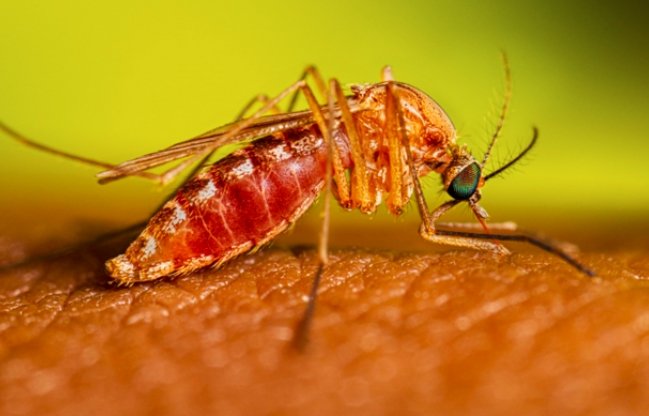
Symptoms and Health Risks of West Nile Virus
West Nile virus often starts with mild signs that can worsen fast. Many people feel nothing at first, but others face serious issues.
Common symptoms include high fever, strong headaches, body aches, nausea, and rash. In bad cases, it leads to brain swelling or muscle weakness that lasts long.
About one in five infected people get sick, while one in 150 face severe problems like meningitis or encephalitis. Older adults and those with weak immune systems face the highest danger.
State records show 41 cases across 11 Colorado counties this year, with 10 people needing hospital care. Last year, the state saw over 600 cases and 50 deaths, the worst in two decades.
Prevention Tips to Avoid Infection
Experts stress simple actions to cut the risk of West Nile virus. Mosquitoes bite most at dawn and dusk, so timing outdoor time matters.
Health leaders suggest these key steps:
- Use insect repellent with DEET on skin and clothes.
- Wear long sleeves and pants during peak mosquito hours.
- Remove standing water from yards to stop breeding.
- Install screens on windows and doors for home protection.
Communities can join in by reporting mosquito hot spots to local health teams. These efforts have lowered case numbers in past outbreaks.
West Nile Virus Trends in Colorado
Colorado faces rising West Nile cases due to climate shifts and more outdoor activities. Data from 2025 shows a spike compared to early years.
Here’s a quick look at state trends:
| Year | Reported Cases | Hospitalizations | Deaths |
|---|---|---|---|
| 2023 | 634 | 250 | 50 |
| 2024 | 150 | 45 | 8 |
| 2025 | 41 (so far) | 10 | 4 |
This table draws from state health reports and shows how cases fluctuate with weather. Warm, wet summers boost mosquito numbers.
Experts link the increase to longer hot seasons. Neighboring states like Wyoming and Utah report similar rises, tying into national patterns.
Recent events, such as positive tests in western counties, signal the need for ongoing watch. Public campaigns aim to educate on these risks.
Broader Impact and Community Response
Beyond Fremont County, West Nile affects families and sparks local action. Health teams now ramp up testing and spraying in high-risk zones.
One story from a nearby area tells of a survivor who beat severe symptoms through early care. Such tales remind people to seek help fast if fever hits after bites.
Nationwide, the CDC tracks over 1,000 cases yearly, with peaks in the Midwest and West. This year’s numbers suggest a busy season ahead.
Communities pull together with clean-up drives and free repellent events. These moves build safety nets against the virus.
What do you think about these prevention steps? Share your thoughts in the comments or pass this article to friends to spread awareness.