GRAND JUNCTION, Colo. — Uber is warning it may pull out of Colorado after lawmakers passed a sweeping ride-hailing safety bill that would impose significant new restrictions and requirements on platforms like Uber and Lyft.
The Colorado House of Representatives passed the legislation this week, touting it as a critical update to protect riders. Uber responded with a threat: If implemented, the bill would create “unworkable conditions” and force the company to cease operations in the state.
Lyft, Uber’s primary competitor, echoed similar concerns, calling the bill “problematic.”
What the Bill Would Require
The legislation, which now moves to the Senate, introduces a suite of safety requirements aimed at increasing transparency and accountability for ride-hailing services. Among the key provisions:
-
Mandatory video and audio recording of all rides
-
Bi-annual background checks for all drivers
-
Strict identity verification to confirm the driver matches the registered account
-
A ban on offering food or beverages (including water) to passengers
Supporters argue these are reasonable expectations. “It’s fair,” said Uber rider and warehouse employee Annalise Holte. “Any job can require background checks and have cameras. Uber shouldn’t be different just because it’s an app.”
But Uber says these measures cross the line, especially the camera requirement, which it labeled an invasion of privacy for both riders and drivers.
“These policies will fundamentally change the experience of ride-sharing,” an Uber spokesperson said in a statement. “They are not scalable, not affordable, and not respectful of privacy.”
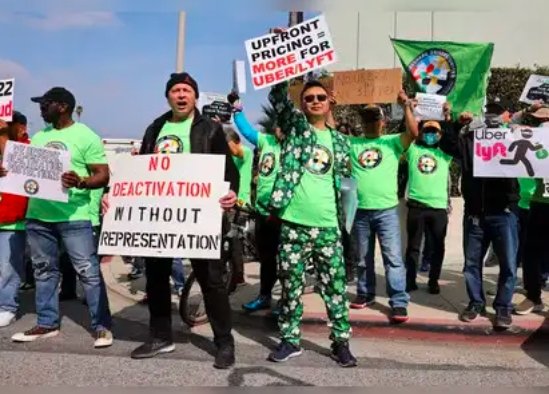
Why Uber Might Walk Away
The threat to exit Colorado is not an empty one. Uber has pulled out of jurisdictions before, including Austin, Texas, and parts of California, when faced with regulatory frameworks it deemed overly burdensome.
The company argues the bill would:
-
Reduce the pool of eligible drivers due to more frequent screenings
-
Increase costs for both drivers and passengers
-
Create logistical chaos around camera management and data storage
-
Degrade the trust-based dynamic between rider and driver
Uber also noted that ride-sharing fills a vital safety role, especially for late-night travel and impaired drivers leaving bars or events.
Holte, who works at a local bar in Grand Junction, said, “When we close, there’s always a few Ubers out front. If that stops happening, people might start driving home drunk. That’s scary.”
Local Alternatives Exist—But Are Limited
With Uber and Lyft both balking at the proposed changes, residents are looking at backup options. In Grand Junction, these include:
-
Sunshine Rides, a small local ride service
-
Trusted friends or family, particularly for planned pickups
-
MAVrides, a free, student-run ride-share service at Colorado Mesa University
CMU student Savvy Harvy said she prefers MAVrides anyway. “It’s people I recognize. I feel safer riding with other students.”
Still, statewide coverage is another issue. MAVrides operates within a narrow radius and limited hours, while Sunshine Rides lacks the capacity to absorb the kind of demand Uber and Lyft currently serve.
The Broader Debate: Safety vs. Accessibility
This legislative clash exposes a deeper debate playing out nationwide: how to regulate Big Tech platforms without crippling their utility.
Lawmakers pushing the bill cite numerous rider safety complaints and say tech companies aren’t doing enough. Proponents argue that requiring cameras and more frequent checks could help deter assaults, misconduct, and impersonation attempts.
But ride-share companies—and many drivers—say these efforts are poorly designed and overreaching. Cameras, they say, raise legal questions around consent and data protection, especially during private conversations or rides involving minors.
Here’s a breakdown of stakeholder reactions:
| Stakeholder | Reaction | Main Concern |
|---|---|---|
| Uber | Threatening to exit Colorado | Invasion of privacy, logistical burden |
| Lyft | Calls the bill “problematic” | Operational costs, user experience |
| Riders (some) | Supportive of safety upgrades | Want better protections |
| Drivers (some) | Wary of surveillance and costs | Feel under constant watch |
| Bar owners | Fear spike in drunk driving | Fewer safe ride options for patrons |
What Happens Next?
The bill now heads to the Colorado Senate for debate. If passed, Governor Jared Polis would have to sign it into law.
Industry insiders say the outcome could set a precedent for other states considering similar reforms. It’s a test of how far governments can—or should—go in regulating gig economy services.
For now, riders in Colorado may want to keep an eye on the legislative calendar… and a backup plan for getting home.