In a stunning move, the United States launched a swift military strike on Caracas early on January 3, 2026, capturing Venezuelan President Nicolas Maduro and his wife Cilia Flores. The operation, aimed at tackling narco-terrorism charges, marks a major escalation in US Venezuela relations and sets the stage for American oversight of the oil rich nation.
Details of the Military Operation
The raid unfolded in the predawn hours, lasting just 30 minutes. US forces targeted key sites in Caracas, including military installations, with precision airstrikes. Officials described it as a discrete and well planned mission, involving special operations teams like Delta Force.
No American troops were harmed, highlighting the operation’s success. Named Operation Absolute Resolve, it followed months of rehearsals and intelligence gathering. Witnesses reported hearing loud explosions and seeing jets overhead, shaking the capital city.
This action echoes past US interventions in Latin America, such as the 1989 Panama operation that led to Manuel Noriega’s arrest. Recent events, including seizures of drug laden boats and an oil tanker, built up to this climax.
Charges Against Maduro and His Wife
Maduro and Flores face serious federal charges in New York. Prosecutors accuse them of conspiracy and narco-terrorism, linking Maduro to the Cartel de Las Olas. This group allegedly flooded the US with drugs, causing countless deaths.
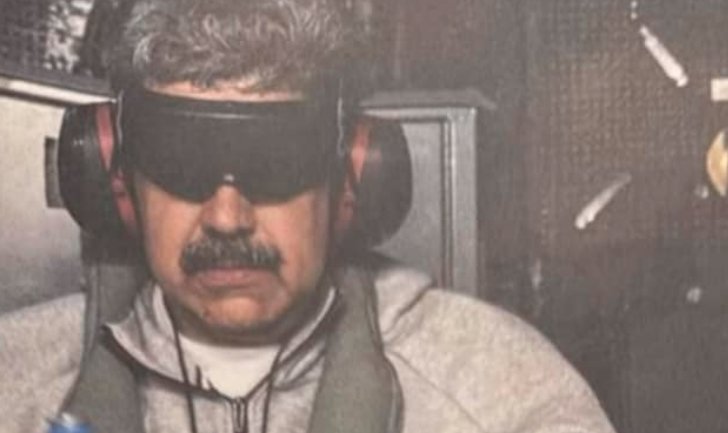
An unsealed indictment details how Maduro oversaw operations that harmed American communities. The couple was blindfolded and transported aboard the USS Iwo Jima, en route to face trial in Manhattan.
These charges stem from years of investigations. In 2020, the US first indicted Maduro, offering a 15 million dollar reward for his capture. The 2026 strike brings those efforts to fruition.
Experts note this could set precedents for international law. Similar cases, like the arrest of drug lords in Mexico, show how such operations disrupt global trafficking networks.
Trump’s Statements and US Plans for Venezuela
President Donald Trump announced the capture, emphasizing the need to stop drug flows into America. He stated the US would temporarily run Venezuela to ensure a safe transition.
Trump highlighted oil as a key factor. Venezuela holds vast reserves, and he promised American companies would rebuild infrastructure. This could boost global oil sales, benefiting both nations.
He mentioned speaking with Venezuela’s Vice President Delcy Rodriguez, now sworn in as interim leader. Trump assured no long term occupation, focusing on stability.
Public reactions vary. Supporters praise the bold move against corruption, while critics worry about sovereignty issues.
| Key Aspects of US Venezuela Intervention | Details |
|---|---|
| Operation Name | Operation Absolute Resolve |
| Duration | 30 minutes |
| Targets | Caracas military sites |
| Casualties | None for US forces |
| Charges | Conspiracy, narco-terrorism |
| Transport | USS Iwo Jima to New York |
Global Reactions to the Strike
World leaders expressed mixed views. Russia condemned the action as aggression, calling for a UN Security Council meeting. China urged restraint, warning of regional instability.
In Latin America, responses split. Brazil and Colombia, affected by Venezuelan migration, showed quiet support. Others, like Mexico, voiced concerns over unilateral moves.
Human rights groups raised alarms about potential chaos in Venezuela. They point to past interventions leading to power vacuums and violence.
On social media, posts reflect divided opinions. Some celebrate the end of Maduro’s rule, while others decry it as imperialism.
- Supporters argue it fights drug cartels effectively.
- Critics fear it risks broader conflicts.
- Analysts predict economic shifts from oil control.
Impact on US Venezuela Relations
This event reshapes ties strained since 2019, when the US recognized opposition leader Juan Guaido. Sanctions crippled Venezuela’s economy, leading to hyperinflation and exodus of millions.
Now, with US oversight, aid could flow in. Trump mentioned humanitarian efforts alongside oil rebuilding. This might stabilize the region, reducing migration pressures on the US border.
Economically, Venezuela’s oil could lower global prices. Recent data shows the country has over 300 billion barrels in reserves, the world’s largest.
However, challenges loom. Resistance from Maduro loyalists could spark unrest. The transition’s success depends on quick elections and international support.
What Happens Next for Venezuela
Maduro’s trial in New York will draw global attention. Legal experts expect a lengthy process, with possible life sentences if convicted.
For Venezuela, the interim period under US guidance aims for democracy. Trump pledged a judicious handover, but timelines remain unclear.
Observers watch for ripple effects. This could influence US policy toward other nations like Cuba or Nicaragua facing similar accusations.
In the coming weeks, more details on the operation and transition plans will emerge. Stay tuned for updates as this story develops.
Share your thoughts on this bold US move in the comments below, and spread the word if you found this breakdown helpful.