
Archaeologists in Vietnam have uncovered a 12,000-year-old skeleton in Thung Binh 1 cave, revealing what could be the earliest evidence of homicide in Southeast Asia. The man died from an infected wound caused by a rare quartz arrow, sparking new questions about prehistoric violence.
Discovery in Thung Binh 1 Cave
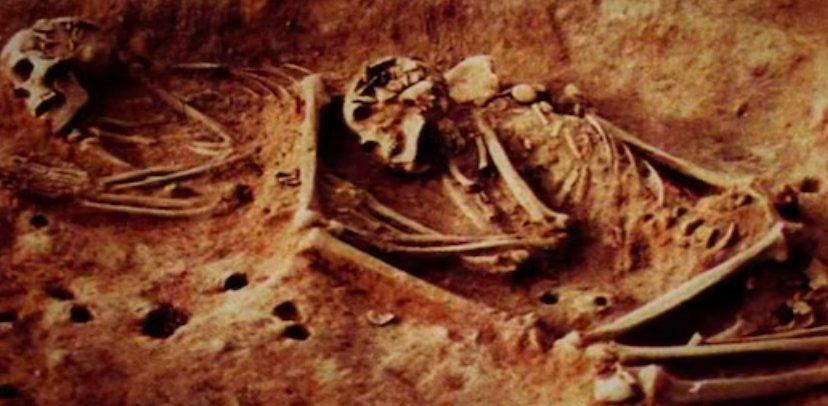
Researchers first found the skeleton in 2018 during excavations in the Tràng An Landscape Complex in northern Vietnam. The well-preserved remains belong to a man around 35 years old, buried in a fetal position with hands over his face.
This site dates back to the late Pleistocene epoch, a time when early humans roamed the region. The cave’s location provided ideal conditions for preservation, allowing scientists to study the bones in detail.
Recent analysis, published in a major scientific journal this year, shows the man suffered a severe injury. Experts used advanced imaging to examine the skeleton without damage.
The findings align with broader trends in archaeology, where similar discoveries in Asia highlight early human conflicts. This case stands out due to the unusual weapon involved.
The Unusual Quartz Arrow Wound
The arrowhead, made from quartz, struck the man and fractured an extra rib near his neck. Quartz tools are rare in this area, suggesting the attacker came from afar.
Scientists believe the man survived the initial attack for months. The wound became infected, leading to his death.
Bone scans revealed pus drainage and healing attempts, indicating he received some care from his community. This points to early social bonds in prehistoric groups.
In comparison, other ancient injuries often healed fully, but infection proved fatal here. Modern forensics helped reconstruct the event, showing the arrow’s path.
Evidence of Prehistoric Homicide
If not an accident, this marks one of the oldest homicides in the region. The foreign quartz implies conflict between groups, possibly over resources.
Experts note that violence in prehistoric times was rare but present, often tied to hunting disputes. This discovery pushes back the timeline for such events in Southeast Asia.
The skeleton shows no other major injuries, suggesting a targeted attack. Researchers compared it to similar finds in Europe and Africa from the same era.
Key implications include:
- Rethinking early human migration patterns in Asia.
- Highlighting advanced toolmaking skills with exotic materials.
- Providing clues about health and survival in ancient societies.
This evidence fits into ongoing debates about when organized violence began among humans.
Anatomical Anomaly and Infection Details
The man had a rare extra rib, affecting only a small percentage of people today. This congenital feature made the injury worse, as the arrow hit it directly.
Infection spread from the wound, causing bone deterioration. Scientists estimate he lived with pain for weeks or months before dying.
To illustrate the timeline and findings, here’s a summary table:
| Aspect | Details |
|---|---|
| Age of Remains | 12,000 years |
| Location | Thung Binh 1 cave, Vietnam |
| Cause of Death | Infected quartz arrow wound |
| Survival Period | Several months |
| Unique Feature | Extra rib fracture |
This table captures the core facts from the analysis. Such anomalies are studied in modern medicine, linking ancient and current human biology.
Similar cases from recent excavations in nearby sites show patterns of injury care. For instance, a 2024 find in China revealed healed wounds from stone tools, echoing this survival story.
Broader Impact on Archaeology
This discovery changes views on prehistoric life in Vietnam. It suggests complex interactions among early hunter-gatherers, beyond simple survival.
Researchers plan more digs in the area to find related artifacts. Funding from international groups supports these efforts, aiming to uncover more about ancient conflicts.
The find ties into global trends, like rising interest in Asian archaeology amid climate change revealing hidden sites. It also connects to 2025 studies on early weapons technology.
Public interest has grown, with museums planning exhibits on prehistoric violence. This could educate people on human history’s darker sides.
Experts emphasize ethical handling of remains, respecting cultural heritage. Future research might use DNA to trace the man’s origins.
What do you think about this ancient mystery? Share your thoughts in the comments and spread the word to fellow history enthusiasts.