
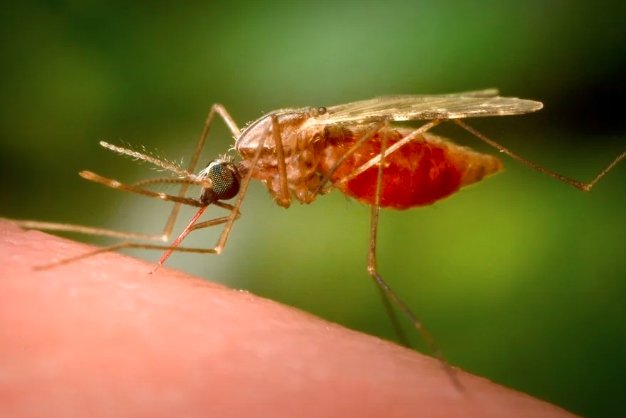
Mosquitoes in parts of western Garfield County, including near Parachute and Rifle, have tested positive for West Nile Virus. The news has health officials warning locals to take extra precautions outdoors.
Early Detection Sparks Concern in Rural Communities
Tests conducted in late July flagged one mosquito batch carrying the virus. That’s not unusual for summer in Colorado, but the confirmation has still raised eyebrows.
Jannette Whitcomb, the county’s environmental health manager, stressed this isn’t cause for panic. “It’s just a matter of risk,” she said. “It doesn’t mean if you get bitten you’ll get West Nile, but the chance is higher.”
Her point was simple. People rarely know what type of mosquito bit them. That’s why the county’s monitoring focuses on the species capable of spreading the virus.
In these areas, locals often spend long summer evenings outdoors. That means more potential exposure.
What Residents Need to Know About the Virus
West Nile Virus has been part of Colorado summers for decades. Still, public awareness is patchy.
Most people infected don’t even feel sick. But for the unlucky few who do, symptoms can show up two to 14 days after a bite.
They can include:
-
Fever, sometimes high
-
Headaches
-
Neck stiffness
Some cases progress to severe neurological issues, though those are rare. Older adults and people with weakened immune systems are more at risk.
Whitcomb noted that the “no symptoms” majority still matters in public health terms. Even without feeling ill, a person can contribute to local infection data and future prevention strategies.
The Four Ds: A Local Health Reminder
Garfield County officials are leaning on a simple prevention checklist this summer.
The “Four Ds” are their main talking points, repeated in flyers, radio spots, and town hall meetings.
-
Drain standing water — even small puddles can become mosquito nurseries.
-
Dusk and Dawn — stay indoors during these peak biting hours.
-
DEET — use repellents containing DEET or other proven ingredients.
-
Dress — cover arms and legs to limit exposed skin.
The county has found that framing safety in these short, memorable steps improves compliance. People might not remember a long pamphlet, but “Four Ds” sticks.
Why Parachute and Rifle Are on the Map
This year’s detection happened in the western part of the county. That’s no accident.
Rural irrigation ditches, livestock watering points, and slower-moving river sections create ideal breeding conditions for mosquitoes.
These zones also see more agricultural activity. That means more people working outdoors, often in the early morning or evening — the exact hours mosquitoes like.
Here’s how Garfield County stacks up to recent seasons:
| Year | Positive Mosquito Batches | Notable Locations |
|---|---|---|
| 2023 | 2 | Silt, Parachute |
| 2024 | 3 | Rifle, Battlement Mesa |
| 2025 | 1 (so far) | Parachute, Rifle |
County staff say these numbers can change quickly with weather shifts. Warm, wet weeks tend to drive mosquito population spikes.
What Happens After a Positive Test
Once a mosquito sample tests positive, county crews step up both monitoring and public messaging.
Spraying isn’t automatic — it depends on population density, weather, and other data. Officials sometimes focus on targeted larvicide treatments in high-risk areas instead.
Public alerts usually go out within days of confirmation. Local radio, newspapers, and social media pages become information hubs. The aim is to give residents enough time to adjust outdoor routines.
In many cases, the virus never spreads widely. But early warnings can make the difference between a contained season and a community outbreak.
Statewide Context: Colorado’s West Nile Pattern
Colorado has seen fluctuating West Nile activity over the past decade. Some years barely register in the data, while others see hundreds of reported human cases.
State health records show that 2022 was particularly bad, with more than 200 confirmed cases statewide. In contrast, 2024 saw fewer than 50.
Experts say this unpredictability makes ongoing surveillance essential. You can’t wait until people start getting sick to realize the virus is active.
For Garfield County, the current detection is a reminder rather than a crisis. But with the rest of August and September ahead — peak mosquito months — vigilance is the word of the season.