
Western Slope in Colorado faces exceptional drought levels as of August 14, 2025, sparking widespread concerns over wildfires and water shortages. Experts warn that prolonged dry weather, following a harsh winter, has dried out the land and fueled fire risks across the region.
Current Drought Status
Drought conditions have reached critical points in Western Slope areas like Grand Junction and Rifle. Recent reports show that much of the region now falls under extreme to exceptional drought categories.
This rapid decline happened over the summer months. In June, conditions seemed manageable, but high temperatures and low rainfall pushed the area into severe drought by mid-August.
The U.S. Drought Monitor updated its map on August 14, highlighting exceptional drought in parts of Garfield County and nearby zones. About 25 percent of the U.S. is in drought, with Colorado’s Western Slope among the hardest hit.
Soil moisture levels have dropped sharply. Satellite data reveals vegetation health at record lows, making the landscape vulnerable.
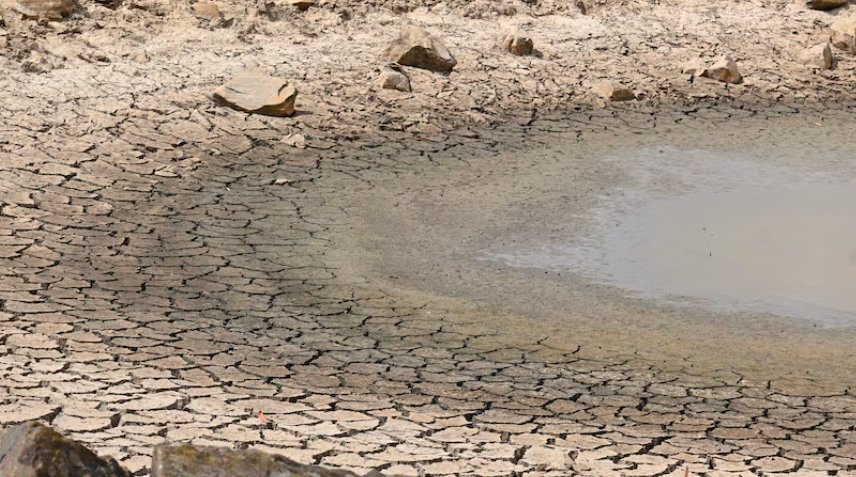
Here is a quick look at key drought indicators:
| Indicator | Current Level | Normal Level | Change Since June |
|---|---|---|---|
| Rainfall Since June | Less than 0.2 inches | 1.3 to 2 inches | Down 85% |
| Soil Moisture | Severely low | Moderate | Dropped 40% |
| Drought Coverage | 53% extreme | Minimal | Increased 200% |
Causes of the Drought
A dry winter set the stage for this crisis. Snowpack levels were below average, leading to reduced water flow in rivers and reservoirs.
Summer brought constant high temperatures, with many days over 90 degrees Fahrenheit. Monsoon rains, usually expected in July and August, failed to deliver.
Experts point to climate patterns like La Niña influencing weaker monsoons. Richard Tinker, a meteorologist, noted that places like Grand Junction saw far less rain than normal.
Human factors add to the problem. Increased water use for farming and cities strains limited supplies. Long-term climate change trends show hotter, drier conditions becoming more common in the West.
Recent data from the Colorado Climate Center confirms that vegetative health has plummeted due to these combined issues.
Peter Goble, an assistant state climatologist, explained that ecological drought now affects native plants and soil.
Impacts on Wildfires
Dry conditions have made wildfires more intense and harder to control. Smoke fills the air, a direct result of the parched landscape.
In 2025, Colorado has seen over 100,000 acres burned, the worst fire season since 2020. Fires like the Lee Fire near Meeker thrive in this environment.
The drought dries out fuels like grass and trees, allowing fires to spread quickly. Winds and heat worsen the situation.
Communities face evacuations and health risks from poor air quality. Firefighters struggle with limited water for suppression efforts.
Economic costs mount, with damages in the millions. Insurance rates rise, and tourism drops in affected areas.
Effects on Environment and Economy
Beyond fires, the drought harms wildlife and agriculture. Rivers run low, stressing fish populations and ecosystems.
Farmers report crop failures and reduced yields. Livestock owners face higher feed costs due to poor pastures.
Local economies suffer. Water restrictions hit businesses, and outdoor recreation slows.
- Reduced tourism in national parks due to fire risks and closures.
- Higher food prices from lower crop production.
- Strain on water supplies for cities like Grand Junction.
- Long-term soil erosion from lack of moisture.
Residents deal with health issues from dust and smoke. Native plants shed leaves early, signaling stress.
Future Outlook
Forecasters see some hope with possible rain next week. Models suggest a shift that could bring moisture to the region.
However, even rain might not help much right away. Dry soil could cause runoff instead of absorption.
Long-term predictions from the Climate Prediction Center indicate drought may persist into fall. They advise preparing for ongoing dry spells.
Experts remain optimistic about winter snows improving conditions. Community efforts, like water conservation, could ease impacts.
State officials monitor the situation weekly. Updates come every Thursday, tracking changes.
What do you think about these drought challenges? Share your thoughts in the comments and spread the word to raise awareness.