
As wildfires churn along Colorado’s Western Slope, the haze drifting into your neighborhood could be doing more than stinging your eyes — it might be quietly hurting your brain too.
Scientists and health experts are ringing alarm bells about the link between wildfire smoke and long-term cognitive issues, including dementia. So what can you do to protect yourself and your loved ones when the air turns thick with haze?
Smoke That Sneaks Into Your System
Jim Herlihy with the Alzheimer’s Association in the Rocky Mountain Region doesn’t mince words. “They carry a higher level of toxic materials,” he says about wildfire plumes.
One line: Those tiny particles don’t just stay in your lungs.
They slip into your bloodstream, hitching a ride to places you wouldn’t expect — like your brain. Researchers have found more than just a casual link between wildfire exposure and higher dementia risk.
The Alarming Numbers Behind the Haze
In 2021, wildfires accounted for about 25% of all air pollution particles drifting through our environment. Since then?
Herlihy says that share has basically doubled. That means more chemicals, more toxins, and more health worries drifting over neighborhoods like Grand Junction.
-
Smoke particles can increase inflammation in your body.
-
Long-term exposure may raise the odds of memory problems later.
-
Children and seniors are especially vulnerable.
It’s not just an abstract health concern. It’s about what happens when your next breath brings in more than oxygen.
Small Steps to Guard Your Cognitive Health
Protecting your mind starts with protecting your lungs. Sounds obvious, but too many people skip these simple steps.
One short line: Stay indoors when smoke levels rise.
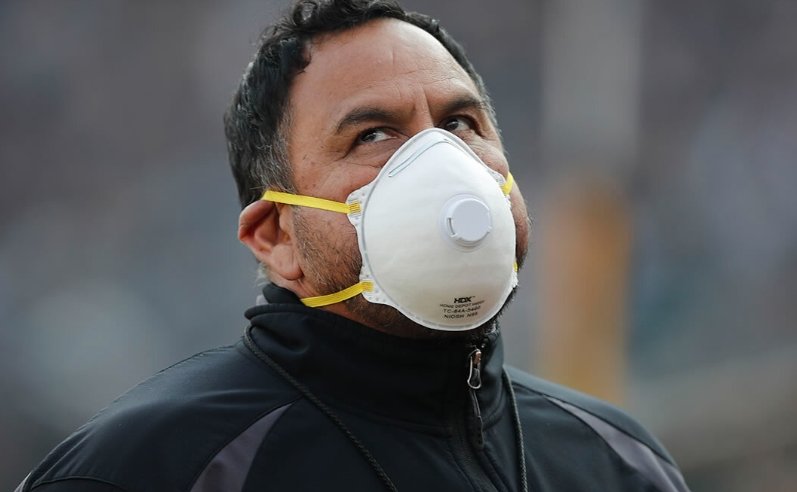
And when you do go out? Herlihy strongly recommends an N95 mask. Not a basic cloth one — the good stuff that actually filters fine particles.
At home, your furnace filter is your friend. Herlihy says to swap it out every couple of months. Wildfire season means more particles getting trapped in your system — or worse, blowing back into your living room.
Here’s a quick cheat sheet:
| Protection Step | How Often? |
|---|---|
| Wear N95 outdoors | When air quality drops |
| Change furnace filter | Every 2-3 months |
| Limit outdoor exercise | On smoky days |
Watching for Warning Signs
Sometimes the symptoms sneak up on you. Brain fog, headaches, fatigue — all can come from bad air days.
Herlihy suggests paying attention. If you feel off, don’t shrug it off.
One-liner: Call your doctor if smoke exposure makes you feel worse than usual.
And if you already worry about dementia or cognitive decline in the family? The Alzheimer’s Association has a 24/7 helpline (800-272-3900) for questions or support.
More Than a Nuisance — It’s a Health Factor
It’s easy to think of wildfire smoke as just an inconvenience. But with bigger blazes burning more often, experts say it’s time to treat air quality like any other health priority.
Herlihy puts it simply: “It’s not just a nuisance, it’s really a health factor.”
So the next time that brown haze rolls in, remember: It’s not just your lungs you’re protecting — it’s your mind too.