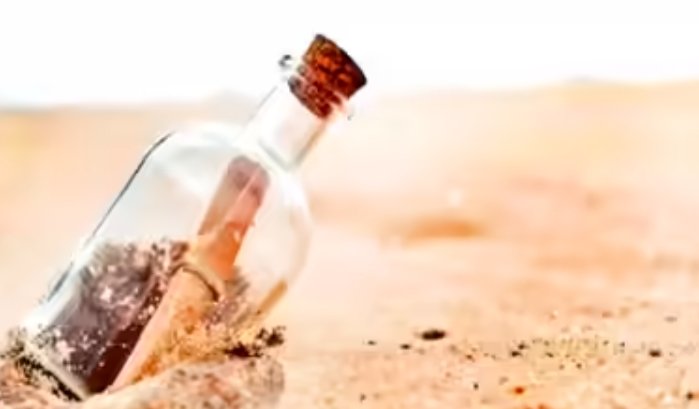
Debra Brown stumbled upon a glass bottle half buried in the sand during a family beach cleanup on October 9, 2025, at Wharton Beach near Esperance in Western Australia. Inside that Schweppes bottle lay two handwritten letters from World War I soldiers, penned over a century ago on August 15, 1916, as they sailed toward the horrors of the Western Front.
The discovery has connected distant relatives with long lost words from their ancestors, shedding new light on the personal hopes and fears of young men heading into one of historys deadliest conflicts. Browns find, exposed likely by recent winter storms eroding the dunes, has captured global attention for its rare glimpse into the past.
The Chance Find During a Routine Cleanup
Brown and her daughter Felicity often pick up litter along the remote shoreline to keep the area pristine. On that crisp October day, Felicity spotted the weathered bottle just above the waterline, mistaking it at first for ordinary trash.
They carried it home carefully, unsure what it held. Once opened, the damp but intact papers revealed faded pencil writing that had survived more than 109 years. Brown let the first letter dry slowly before unrolling it fully, a process that took days to avoid damage.
This simple act of environmental care turned into an extraordinary historical event. Experts believe the bottle never traveled far from where it was tossed overboard, spending most of its time buried in the sandy dunes rather than adrift in the ocean currents.
Unrolling the Messages from the Past
The letters came from two Australian privates aboard the His Majestys Australian Transport Ballarat, steaming through the Great Australian Bight en route to Europe. Each note asked the finder to forward it to their mothers back home in South Australia, a common practice among troops seeking connection amid uncertainty.
Private Malcolm Alexander Nevilles two page missive described the rough seas and daily life on board, ending with warm regards to his family in Wilkawatt. The 28 year old soldier wrote with a light hearted tone, unaware of the fate awaiting him just months later.
The second note, from Private William Kirk Harley, was shorter but equally poignant, noting their position “somewhere in the Bight.” Both messages highlighted the soldiers optimism and boredom during the long voyage, offering a human touch to the grand scale of wartime mobilization.
Here are key excerpts from the letters, transcribed for clarity:
- Nevilles letter: “We are having a fine trip so far… Please send this to my mother at Wilkawatt, South Australia.”
- Harleys note: “From Private W.K. Harley… Whoever finds this please forward to my mother in Adelaide.”
These words, preserved against all odds, now serve as tangible links to a bygone era.
The Tragic and Triumphant Fates of the Soldiers
Neville never made it home from the war. Killed in action in France in November 1916, just three months after writing his letter, he became one of over 60,000 Australians lost in the conflict. His mother received no such note in her lifetime, as she passed away in 1919 without knowing her sons final thoughts.
In contrast, Harley survived the battles and returned to build a family life postwar. He went on to have children, passing down stories of his service, though the bottle message remained a mystery until now. This duality in their stories underscores the unpredictable nature of war and survival.
To illustrate the soldiers backgrounds and outcomes, consider this table summarizing their details:
| Soldier Name | Age in 1916 | Hometown | Fate After Writing | Family Contacted |
|---|---|---|---|---|
| Malcolm Alexander Neville | 28 | Wilkawatt, SA | Killed in France, Nov 1916 | Great-nephew Herbie Neville |
| William Kirk Harley | Unknown | Adelaide, SA | Survived war, had children | Descendants in Adelaide |
Such records help historians piece together the personal impacts of global events.
Delivering the Letters to Modern Families
Brown wasted no time in tracking down the relatives. Using details from Nevilles letter, like his mothers address, she searched online and found Herbie Neville, the soldiers great nephew, through a simple Facebook query. A quick call to his workplace led to an emotional reunion.
For Harleys family, the process was similar, connecting with descendants in Adelaide who had preserved family lore but never seen this specific artifact. By November 11, 2025, both sets of letters had been hand delivered, closing a century old loop.
Herbie Neville shared that stories of his great uncle had been handed down through generations, including from an aunt now 101 years old. The arrival of the original note brought fresh tears and gratitude, amplifying family bonds across time.
This event echoes other recent wartime discoveries, like a 2024 find of Civil War letters in the US Midwest, reminding us how everyday objects can resurface buried histories.
Why This Discovery Matters Today
In an age of instant digital communication, a handwritten message surviving a century speaks volumes about endurance and human curiosity. It highlights the role of citizen archaeology, where ordinary people like Brown contribute to preserving history without formal training.
The story also ties into broader trends of coastal erosion revealing wartime relics, spurred by climate change. Winter storms in Western Australia have uncovered similar artifacts, from shipwrecks to munitions, prompting calls for more community led cleanups and documentation.
Moreover, it humanizes World War I, often reduced to statistics in textbooks. By focusing on personal narratives, such finds educate younger generations about the sacrifices made, fostering empathy in a divided world. Browns experience shows how one small action can bridge past and present, inspiring others to explore their local histories.
As interest grows, museums in Australia are expressing hope to display replicas, ensuring the messages reach even wider audiences.
What do you think about this incredible find? Share your thoughts in the comments below and pass this story along to friends who love history it might spark their next adventure.