
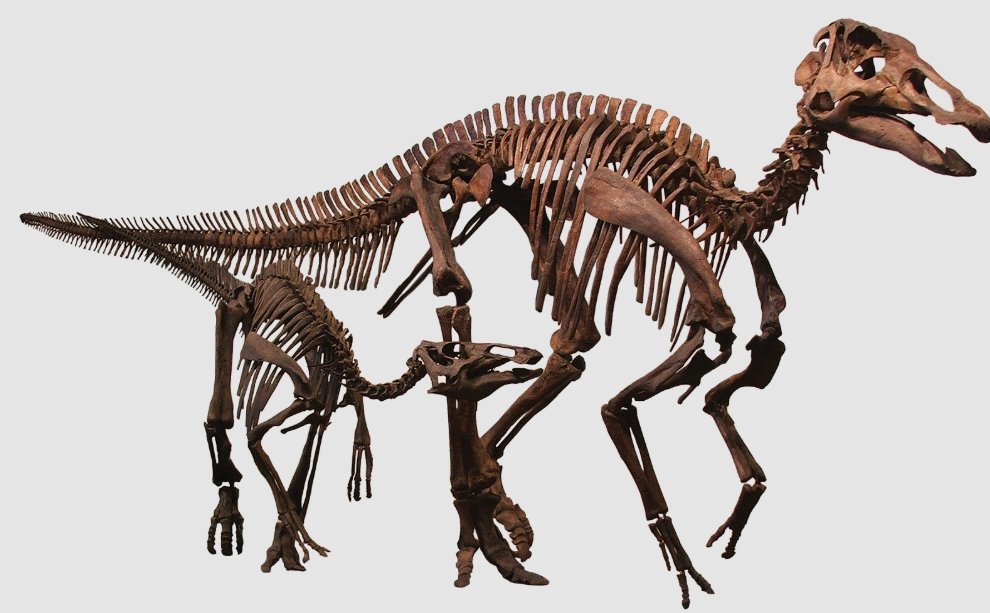
Paleontologists from the University of Chicago have uncovered two stunning Edmontosaurus annectens fossils in Wyoming that preserve skin and hooves like never before. These dinosaur mummies, detailed in a new study released this week, give the clearest picture yet of how this duck-billed giant looked and moved 66 million years ago.
The finds come from a special area called the mummy zone in eastern Wyoming’s badlands. Teams returned to sites first spotted over a century ago to dig up these well-kept secrets. This breakthrough helps experts rethink dinosaur bodies and their lives right before the big extinction event.
Wyoming’s Mummy Zone Yields Rare Treasures
The Lance Formation in Wyoming holds a goldmine for fossil hunters. This spot, now a dry badland, was once a river valley full of floods during the late Cretaceous period. Quick floods buried dead dinosaurs fast, keeping their shapes safe from decay.
Researchers mapped out a six-mile-wide area where at least six Edmontosaurus mummies have turned up over time. The two newest ones, found in 2000 and 2001, stand out for their detail. One is a young adult, the other a late juvenile about two years old when it died.
These fossils do not hold actual dried flesh like old human mummies. Instead, a super thin clay layer, just 1/100th of an inch thick, formed over the body soon after death. Microbes helped create this clay mask that copied the skin’s texture perfectly.
Paul Sereno, the lead expert on the team, called it a fluke of nature. The clay stuck to the outside of the carcass and hardened into a template. This process beat out scavengers and let fine details last through millions of years.
Stunning Skin and Spikes Come to Light
The preserved skin on these Edmontosaurus mummies shows scales in amazing detail. Most scales are tiny, like pebbles just 1 to 4 millimeters across, covering much of the body. Larger polygonal scales show up on the lower body and tail.
Both mummies reveal a fleshy crest running over the neck and trunk. This scaly ridge adds a new twist to how we picture these plant-eaters. The adult one keeps a full row of spikes along its tail from the hips to the tip, a first for any hadrosaur fossil.
Wrinkles over the ribcage hint at thin skin that could stretch and move. Artists now use these clues to draw full body profiles of Edmontosaurus annectens. The juvenile mummy, nicknamed Ed Jr., gives the only look at a young dinosaur’s full outline.
Here are some key features preserved in these mummies:
- Scaly skin with small pebble-like patterns
- Fleshy crest along the back and neck
- Full tail spike row on the adult
- Thin, wrinkly skin over the ribs
This level of detail beats most other dinosaur finds. It lets scientists see beyond bones to the real animal underneath.
Hooves Mark a First for Dinosaurs
The biggest shock from these mummies is the hooves on the hind feet. For the first time, experts see hoof-like caps on the toes of a dinosaur. The adult mummy shows this clearly, with the hoof covering the end toe bone.
These hooves look like those on modern tapirs or rhinos. The foot sole stays fleshy, but the toes end in hard caps for better grip on soft ground. Front feet lack hooves, pointing to a special way this dinosaur walked.
This find pushes back the story of hooves in reptiles by millions of years. Edmontosaurus annectens, at over 12 meters long, used these feet to roam floodplains. Paired with old footprints, it shows how the animal shifted weight and ran from predators like Tyrannosaurus rex.
The table below compares the two main mummies:
| Feature | Juvenile Mummy (Ed Jr.) | Adult Mummy (Ed Sr.) |
|---|---|---|
| Age at Death | About 2 years old | Full grown |
| Size | Smaller body | Up to 12 meters long |
| Key Preservation | Full fleshy outline, crest | Tail spikes, hooves |
| Unique Aspect | First juvenile mummy | First hoofed dinosaur |
Such differences help track how Edmontosaurus grew and adapted.
What This Means for Dinosaur Studies
These mummies change how we view duck-billed dinosaurs. Before, artists guessed at skin and shapes based on scraps. Now, with a complete profile, reconstructions feel more real and based on hard evidence.
The discovery ties into bigger questions about life in the end-Cretaceous. Edmontosaurus lived in herds along coasts, eating plants in wet areas. Hooves suggest they handled mud well, maybe to escape floods or hunt for food.
Links to other finds add depth. A 2017 nodosaur mummy from Canada showed armored skin preserved by similar quick burial. Earlier Edmontosaurus mummies from 1908 in the same zone had basic skin impressions, but nothing this full.
Experts predict more surprises from the mummy zone. Teams of students keep digging there each year. Future work might uncover mummies of other beasts like Triceratops or even T. rex.
This news excites the paleo world and sparks talks on social media about updating dino art. It reminds us how much we still learn from old bones.
Looking Ahead to More Discoveries
The study, fresh from this October, opens doors for new research. Tools like CT scans and 3D models help pick apart the clay layers without harm. As tech improves, we might see even finer details in future digs.
Wyoming’s badlands stay a hot spot for such breaks. With climate shifts exposing more rock, who knows what else waits under the soil. These mummies prove dinosaurs were more varied than movies show, with features like crests and hooves that aided survival.
For anyone hooked on dinosaurs, this find solves old puzzles while raising fresh ones. Share your thoughts in the comments below. What do you think these hooves tell us about dino life? Pass this story to friends who love prehistoric tales.