Colorado wildlife officials have confirmed an infestation of invasive zebra mussels in the Colorado River near Grand Junction, marking a major environmental challenge for the region. The discovery, announced on September 15, 2025, includes adult mussels in the river and nearby lakes, prompting urgent containment efforts to protect water systems and native wildlife.
Discovery Sparks Immediate Action
Colorado Parks and Wildlife detected adult zebra mussels in the Colorado River for the first time during routine sampling. This finding came after increased monitoring that started in June 2024, following earlier detections of larvae.
The infested area stretches from the 32 Road bridge in Grand Junction downstream to the Colorado-Utah border. Officials also found mussels in the West and East Lakes at James M. Robb Colorado River State Park.
Sampling methods include plankton tows and shoreline checks, with samples analyzed in labs to confirm the presence of veligers, the larval form, and adults.
This confirmation elevates the river’s status to infested, joining four other sites in Colorado with similar designations.
Impacts on Ecosystems and Infrastructure
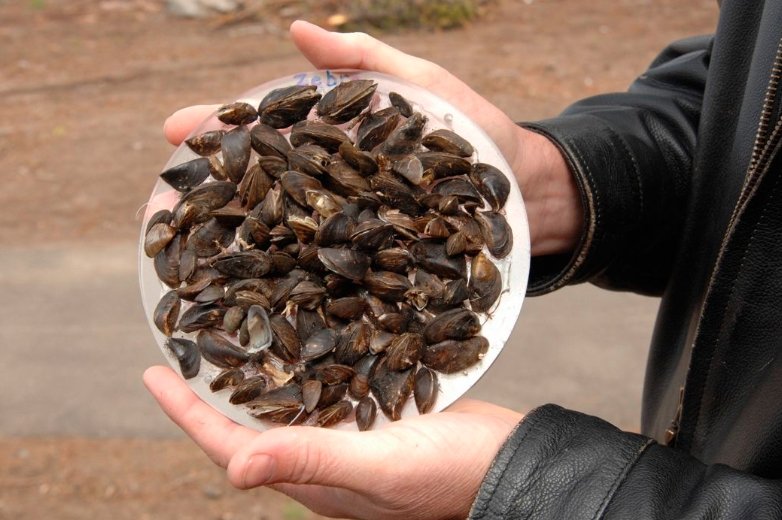
Zebra mussels pose serious threats to local habitats by consuming plankton that native fish rely on. They attach to surfaces, forming dense clusters that disrupt water flow and damage equipment.
In the Colorado River, these invaders could harm fish populations and alter the food chain. Experts note that mussels can grow on each other, leading to massive buildups.
Infrastructure risks include clogged pipes and intakes for drinking water, irrigation, and power generation. Millions of people depend on the river for water, making this a widespread concern.
Past infestations in other states have cost billions in removal and repairs, highlighting the potential economic toll.
- Native fish like trout and suckers face food shortages.
- Mussels can attach to boats, docks, and even other animals, aiding their spread.
- Rapid reproduction allows one female to release up to a million eggs per year.
History of Zebra Mussels in Colorado
Zebra mussels first appeared in Colorado waters through accidental introductions, likely from boats moved between states. The species, native to Europe, has spread across North America since the 1980s.
In 2024, larvae were found in the Colorado River and Government Highline Canal near Grand Junction. This led to heightened vigilance and public awareness campaigns.
By July 2025, more positive tests confirmed the spread, but adults were not detected until now. This progression from larvae to established adults signals a growing problem.
Colorado now lists five infested bodies of water, including Highline Lake and a private site in Eagle County. Officials track these to prevent further expansion.
The state has invested in prevention programs, inspecting thousands of boats annually to stop hitchhiking mussels.
Efforts to Contain the Spread
Wildlife agencies are ramping up containment strategies, including boat inspections and public education. Boaters must clean, drain, and dry equipment before moving to new waters.
Colorado Parks and Wildlife urges anglers and recreators to report suspicious findings. They provide free decontamination services at checkpoints.
Collaboration with federal and local partners aims to monitor and treat affected areas. Chemical treatments and barriers are under consideration, though challenges remain in large rivers.
Community involvement is key, with calls for vigilance in cleaning gear like waders and paddleboards.
| Infested Water Bodies in Colorado | Location | Detection Date |
|---|---|---|
| Highline Lake | Highline Lake State Park | 2024 |
| Mack Mesa | Highline Lake State Park | 2024 |
| Private body of water | Eagle County | 2025 |
| West and East Lakes | James M. Robb State Park | September 2025 |
| Colorado River section | Grand Junction to Utah border | September 2025 |
Broader Implications for the West
This infestation threatens the entire Colorado River system, which supplies water to seven states and Mexico. If unchecked, mussels could spread downstream, affecting major reservoirs like Lake Powell.
Similar issues in the Great Lakes have shown how mussels devastate biodiversity and boost maintenance costs. Western states now face heightened risks due to climate-driven water changes.
Experts predict rising temperatures may aid mussel survival, complicating control. Recent events, like droughts exposing more riverbed, could accelerate spread.
Ongoing research explores biological controls, such as predatory fish, but no quick fixes exist.
What You Can Do to Help
Preventing further spread starts with individual actions. Always inspect and clean watercraft after use, and avoid transporting water between sites.
Support local conservation by joining clean-up events or reporting invasions. Staying informed through state wildlife updates helps everyone contribute.
Share this article with friends and comment below on your experiences with invasive species in Colorado. Your input could spark more awareness and action.