
Zebra Mussels, the tiny invasive mollusks causing havoc in U.S. waterways, are now a growing concern in Western Colorado. As summer approaches, their potential impact on water-based activities, local ecosystems, and infrastructure raises alarms.
The Spread of Zebra Mussels in Colorado
Zebra Mussels are freshwater creatures known for their rapid spread and destructive nature. Originating from Eastern Europe, they’ve invaded rivers and lakes across the U.S., including parts of Western Colorado. Currently, the species has been confirmed in Highline Lake, the Highline Canal, and parts of the Colorado River near the Beavertail Tunnel in De Beque.
While only juvenile Zebra Mussels have been spotted in the Colorado River, experts warn that the situation could escalate quickly. These mussels are notorious for their ability to thrive in diverse environments, making it a matter of time before they could spread further, especially as summer temperatures rise and more people flock to these waters.
Dangers to Local Water Activities
Summer in Colorado draws large crowds to the state’s picturesque lakes and rivers, with recreational activities like boating, fishing, and swimming in full swing. However, Zebra Mussels pose a significant threat to the enjoyment of these activities.
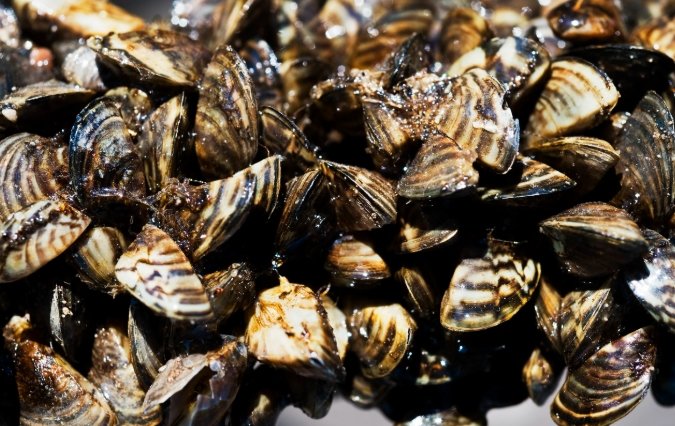
One of the most immediate dangers is their sharp, jagged shells, which can make shorelines hazardous. As these mussels proliferate, beaches could become increasingly unsafe for swimmers, children, and pets, putting a damper on outdoor fun.
The Risks of Invasive Growth
-
Zebra Mussels attach to hard surfaces like rocks, boats, and docks.
-
The sharpness of their shells makes beaches and waterfront areas dangerous.
-
They can clog water intake pipes, causing expensive damage.
These mussels are not just a nuisance on the surface. They can cause severe environmental and economic harm by blocking water systems used for irrigation, drinking, and even hydroelectric power.
The Environmental and Economic Fallout
Zebra Mussels’ rapid reproduction rate is one of the primary reasons they are such a significant problem. A single female Zebra Mussel can produce up to a million offspring during a breeding season. Given their voracious appetite for algae, they rapidly alter the ecosystem, outcompeting native species for food and disrupting local biodiversity.
More troubling, however, is the damage they cause to infrastructure. These mussels are known to colonize hard surfaces, including pipes and hydroelectric facilities. The result can be blocked water systems, which are expensive and time-consuming to repair.
As Madeline Baker, an Invasive Species Specialist, points out, “One female can produce 1,000,000 offspring in a breeding season, and when each of those million offspring create a million offspring, it’s very, very quick that pipes can be completely impacted and will either need to be replaced or cleared out of the obstruction with very specialized and very expensive equipment.”
Preventive Measures: What Locals Can Do
While Zebra Mussels are a serious threat, the good news is that there are ways the community can help slow their spread. Colorado Parks and Wildlife (CPW) has set up cleaning stations throughout affected areas to encourage watergoers to properly clean, drain, and dry their equipment after each use.
Madeline Baker emphasizes, “One of the top reported answers for why people don’t clean their gear is that they didn’t have the equipment to do it. So, we are trying to provide the equipment to do it when they need it and where they need it.”
The process is simple but effective:
-
Clean your gear with water after use.
-
Drain all water from boats and equipment.
-
Dry everything before moving to another water body.
Community Action: Spreading the Word
Awareness is key in managing the Zebra Mussel problem. Although CPW is doing its part by providing cleaning stations, the responsibility also falls on individuals to ensure their equipment is properly cleaned and maintained.
“We are relying on people to be aware of this and to take action to clean, drain, and dry on their own,” says Baker. “We need people to be both willing and able to do this in their own time in order to keep our water bodies safe.”
By staying vigilant and spreading the word, locals can help protect Colorado’s waterways and preserve summer fun for everyone.