
Mesa Valley teachers and School District 51 are at a standstill after weeks of negotiations failed to reach common ground, pushing both sides into mediation. The fallout is already stirring concern among parents and staff.
The Mesa Valley Education Association (MVEA) is calling for safer classrooms, better salaries, and enforceable class size limits. The district says its budget’s too tight — and now, the talks have stopped.
Talks Collapse After Weeks of Tension
Negotiations between MVEA and District 51 came to a halt Monday night, ending in formal impasse. The decision wasn’t a surprise to some.
The teachers union had already voiced frustration over what it called a lack of movement from the district. Their requests weren’t outrageous, they said — they were necessary. A salary step increase of 2.3%, clear class size caps, consistent safety rules, and transparency from administrators.
District 51 pushed back, citing a shrinking budget and the difficulty of balancing rising costs. They say they entered talks in good faith. Still, nothing stuck.
So now, the next phase begins: mediation. It’s not common, but not unheard of either. And it signals things aren’t going to be easy from here.
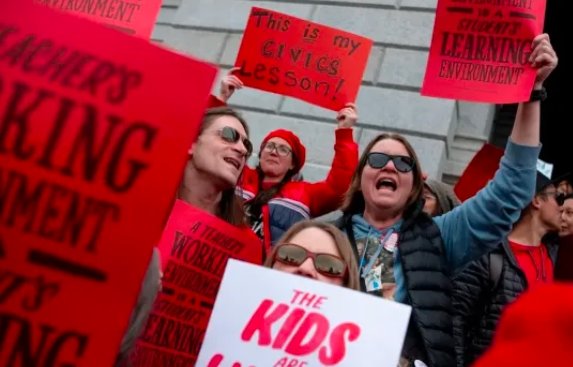
Parents Speak Out: “Kids Were Sitting on the Floor”
For many families, this isn’t just about politics or spreadsheets — it’s about what kids are dealing with in real classrooms. Parents like Leah Scott say the cracks are already showing.
“My son’s class had like 5 or 6 kids that had to sit on the floor for half the year because they just didn’t have enough seats,” she said.
That’s not just an anecdote. It’s a glimpse into overcrowding concerns that have long plagued teachers across the district.
• One teacher manages 32 students in a room built for 25
• Others report going months without enough textbooks or basic supplies
• Behavioral issues spike when classrooms grow too large, say staff
These aren’t rare complaints. They’re popping up again and again — in parent-teacher conferences, staff meetings, and even board hearings.
And they’re feeding into the union’s push for real, enforceable limits on class size — not just guidelines or soft targets that can be ignored when budgets get tight.
Safety, Salaries, and the Struggle to Stay
Amy Sue Javernick, MVEA President, says it’s about more than money. Still, she’s quick to point out that compensation matters, especially when neighboring districts are offering more.
Under the current MVEA proposal, teachers with one or more years of service would receive a 2.3% salary increase. It’s not a windfall — but it might help retain staff.
Recruitment’s already tough. Retention? Even harder.
And when you combine flat wages with stress and inconsistent safety protocols, the job becomes even less appealing. Javernick’s view is blunt: better conditions equal better classrooms. For everyone.
She’s got allies — parents like Isaac Ketcham.
“I’m always going to advocate that the teachers are paid the best that we can afford to pay them,” he said.
One-sentence paragraph here. Because sometimes that’s all it takes.
What the District Says — and What the Budget Shows
District 51 isn’t pretending things are perfect. But they say budget limitations are real — and tightening.
At the May 20 board meeting, district officials confirmed a slight dip in the annual budget. And while they didn’t specify exact numbers publicly, their message was clear: they’re feeling the squeeze.
Here’s what we know based on current figures:
| Category | 2024-25 Budget (Projected) | Notes |
|---|---|---|
| Total Operating Budget | $273 million | Slight decrease from previous year |
| Average Teacher Salary | $54,800 | Below state average ($58,700) |
| Student Enrollment | ~21,000 | Slight decline YOY |
| Classroom Supply Allocation | $150 per teacher | Reportedly stretched thin |
| Emergency Safety Funds | $1.2 million | Used for lockdown upgrades, etc. |
District officials say they remain committed to “open, respectful dialogue” and are entering mediation with that same spirit. But mediation is just that — a process. Not a guarantee.
The Bigger Picture: A Trust Gap That’s Hard to Ignore
Beyond the spreadsheets and soundbites is something less tangible: trust. Or rather, the erosion of it.
Parents like Ketcham have started to notice it. “We all have to be on the same page,” he said. “If we’re not… we have to rebuild that original trust bridge.”
That’s not a simple fix.
The district insists it’s listening. The union says it’s tired of being ignored. In between, educators are trying to keep morale from slipping further.
Some feel the relationship between the board and staff has cooled to the point of detachment. Meetings drag. Motions stall. Goodwill wears down fast.
Teachers are still showing up. Still grading. Still planning. But that doesn’t mean everything’s okay behind the scenes.
What Happens Next
Mediation is expected to begin soon, though no official date has been confirmed.
It will involve a neutral third party — typically someone experienced in labor law — who helps both sides reach some kind of compromise.
But even that is no magic wand. It’s slow. And if it fails? Things could get messy.
There’s talk — whispered, but getting louder — about possible protest action. Informal sickouts. Public rallies. Pressure campaigns during board elections. None of it confirmed, but none of it out of the question.
The union has launched a public petition to show community support. It’s already drawing signatures from parents and former staff.
This could stretch into summer. Or spill into fall.
One more sentence — and no real answers yet.