
News
Fort Wayne’s Salomon Farmers’ Market Kicks Off Fresh 2025 Season

Under the wide Indiana sky, picnic tables were wiped clean, produce stands rolled in, and by 4 p.m., Salomon Farm Park felt alive again. It’s that time of year. The Salomon Farmers’ Market is officially back, and locals wasted no time showing up.
It’s more than just carrots and tomatoes. For many, it’s tradition. Every Wednesday through early September, this 170-acre farm park transforms into a buzzing marketplace—one that smells faintly of basil and baked bread.
A weekly ritual rooted in community
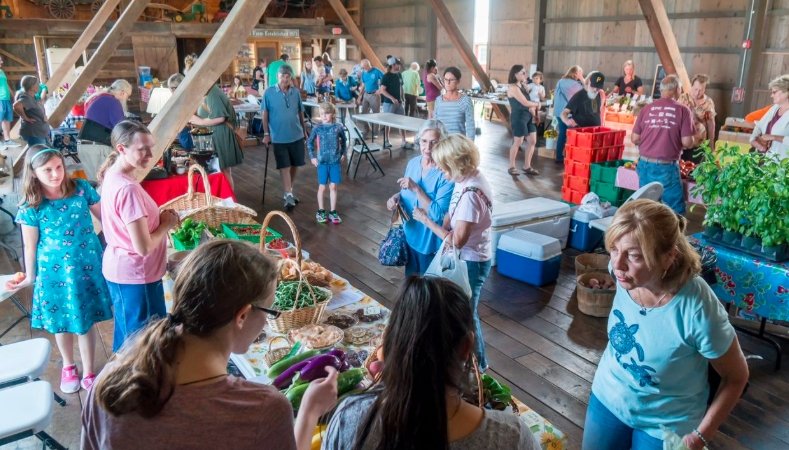
It’s easy to forget you’re in Fort Wayne when you step into Salomon Farm on market day. Rows of heirloom vegetables. Jars of honey that shimmer in the late sun. Kids with sticky hands from kettle corn. It’s wholesome chaos, and people love it.
Held from 4 to 7 p.m. every Wednesday, the market draws both long-time residents and curious newcomers. What makes it different? Everything’s local. The vendors? All within 75 miles. No mega-corporations. No corporate branding. Just real folks selling what they grow, raise, bake, or craft.
One returning visitor summed it up perfectly: “It’s not just shopping—it’s like catching up with neighbors you only see when sweet corn’s in season.”
Vendors bring their A-game
This year’s vendor list is stacked. While it changes a bit each week, you’ll often find old favorites and promising newcomers side by side.
• Schwartz Family Farms – known for their legendary strawberries and crowd-favorite sweet corn
• Hearthside Bakery – home to the flakiest rhubarb pies you’ve ever had
• The Bearded Bee – bringing raw honey and beeswax balms straight from their apiaries
• Canyon Clay Studio – hand-thrown mugs and pottery that seem to vanish within the first hour
Food trucks also rotate in throughout the season, serving up everything from wood-fired pizza to tamales that are worth the drive alone.
Not just for grownups with tote bags
Kids aren’t sidelined here. The park’s wide green space becomes their playground, and many of the booths are surprisingly child-friendly. Some even let little ones sample berries or help pick herbs.
It’s the kind of place where a toddler can pet a goat, smear jam across their face, and run through a sprinkler—all before dinner.
“I don’t have to bribe my kids to come,” said Amanda Reese, a mother of three from northern Fort Wayne. “It’s like an outdoor field trip every week.”
Why this market matters more than ever
In a world where supply chains still feel brittle and grocery prices swing wildly, markets like Salomon’s have taken on new meaning. They’re not just a quaint weekend thing anymore—they’re a genuine alternative.
According to data from the USDA, direct-to-consumer food sales (like those through farmers’ markets) hit $2.9 billion in 2023, a number expected to climb in 2025 as shoppers prioritize freshness, traceability, and supporting local economies.
Here’s a comparison of how consumers view markets versus traditional grocery stores based on recent survey data:
| Factor | Farmers’ Markets | Supermarkets |
|---|---|---|
| Product Freshness | 91% | 67% |
| Support for Local Economy | 88% | 43% |
| Transparency in Sourcing | 84% | 52% |
| Price Satisfaction | 63% | 78% |
| Overall Experience | 87% | 49% |
Basically, people are willing to pay a little more if it means shaking hands with the guy who grew their lettuce.
Something new every week
Don’t expect a rinse-and-repeat experience. Vendors rotate in and out, new produce comes into season, and community groups often host mini-events during the market.
Last year, there were yoga sessions under the trees. This year? Rumors of live bluegrass performances. Maybe even cooking demos from local chefs.
One of the organizers hinted, “We’ve got a few surprises lined up, especially in July.” She wouldn’t say more. But she smiled like she knew something good.
Where and how to go
If you’re new to it, here’s the lowdown: Salomon Farm Park is at 817 W. Dupont Rd, just a short drive north of downtown Fort Wayne. Parking is free and usually easy, but don’t wait till 6:45 to show up—by then, the good bread might be gone.
The market runs every Wednesday, 4–7 p.m., through September 3.
You don’t need cash for every booth—most vendors accept cards—but tossing a few bills in a musician’s guitar case or a tip jar never hurts. There’s no admission fee, no pressure to buy, and no reason not to stop by.
One vendor said it best as she rearranged bunches of kale on her stand: “We’re not just selling food. We’re feeding a community.”









Halo Campaign Evolved Skulls Meet Death Barriers That Kill the Hunt

Spotify Running Mode Returns After the 2015 Experiment Failed

Amazon AWS Hits Fastest Growth in Years as AI Spend Pays Off

Amazon Bets Platform Beats Models in the AI Race

Apple C2 Modem Edges Into iPhone 18 Pro After Qualcomm Drop

Google Earth Adds Nano Banana 2 to Reimagine Real Places

Apple Upgrade Turns Phones Into Monthly Utility Bills

Asha Sharma Bets Xbox Growth on Console and Four C’s

MacBook Ultra Design Follows Apple’s Familiar Cascade Path

TAG Heuer Carrera x Team Ikuzawa Revives 1970s Roadmaster Stopwatch DNA

Pokémon GO Developer Niantic Rebrands as Scopely Explore

Jaylen Brown Traded to 76ers for Paul George and Four Draft Picks

Persona 4 Revival Hands All Anime Cutscenes to Studio MAPPA

Doom Studio id Software Cuts Half Its Staff in Xbox Layoffs

Nintendo Switch Online Adds Four Classics and One Japan-Only Title

Jordan Henderson Hospitalized After Wrist Injury at the Azteca

Mexico’s World Cup Run Ends at Azteca as England Hold On 3-2

Meta’s Muse Image Lets Anyone Use Your Instagram Photos in AI

Louis Vuitton Beats Molly Tea in China, Triggers Cultural Backlash

Pink Bearista Cup Returns July 13 as Starbucks Pink Vibes Drops
-

 TECHNOLOGY3 years ago
How to Adjust a Bulova Watch Band – An Easy Guide
-

 News3 years ago
Fred Pentland: Athletic Bilbao’s English mentor who changed the essence of Spanish football
-

 FINANCE3 years ago
Tax Planning for Every Season: Guide to Maximizing Your Tax Benefits
-

 Education3 years ago
African Ministers New Education Plan
-

 BUSINESS3 years ago
What is Entrepreneurial Operating System? A Comprehensive Guide to EOS
-

 Education3 years ago
Innovate Your Learning Journey with Technology and Enhance Education
-

 News3 years ago
Russians formally out of World Athletics Championships
-

 BUSINESS3 years ago
Top 9 Most Expensive American Cities to Rent an Apartment