
News
Final Season Begins On I-70 West Vail Pass Project

Construction crews have returned to West Vail Pass. They start the final building season on a project that began in 2021. This work promises to ease congestion and improve safety on one of Colorado’s most traveled mountain highways.
Project Brings Extra Lanes To Busy Mountain Corridor
The Ten Mile Auxiliary Lanes Project focuses on adding dedicated lanes along Interstate 70. These lanes let slower trucks and vehicles move aside so faster traffic can flow without constant braking.
This approach offers a smart solution in steep mountain terrain where full widening proves extremely difficult and costly. The project stretches roughly ten miles and targets a section known for bottlenecks during summer tourism and winter ski traffic.
CDOT engineers designed the improvements after years of studying crash data and traffic patterns. Drivers who regularly cross Vail Pass have dealt with sudden slowdowns for decades. Many hope this final season delivers the relief they have waited for.
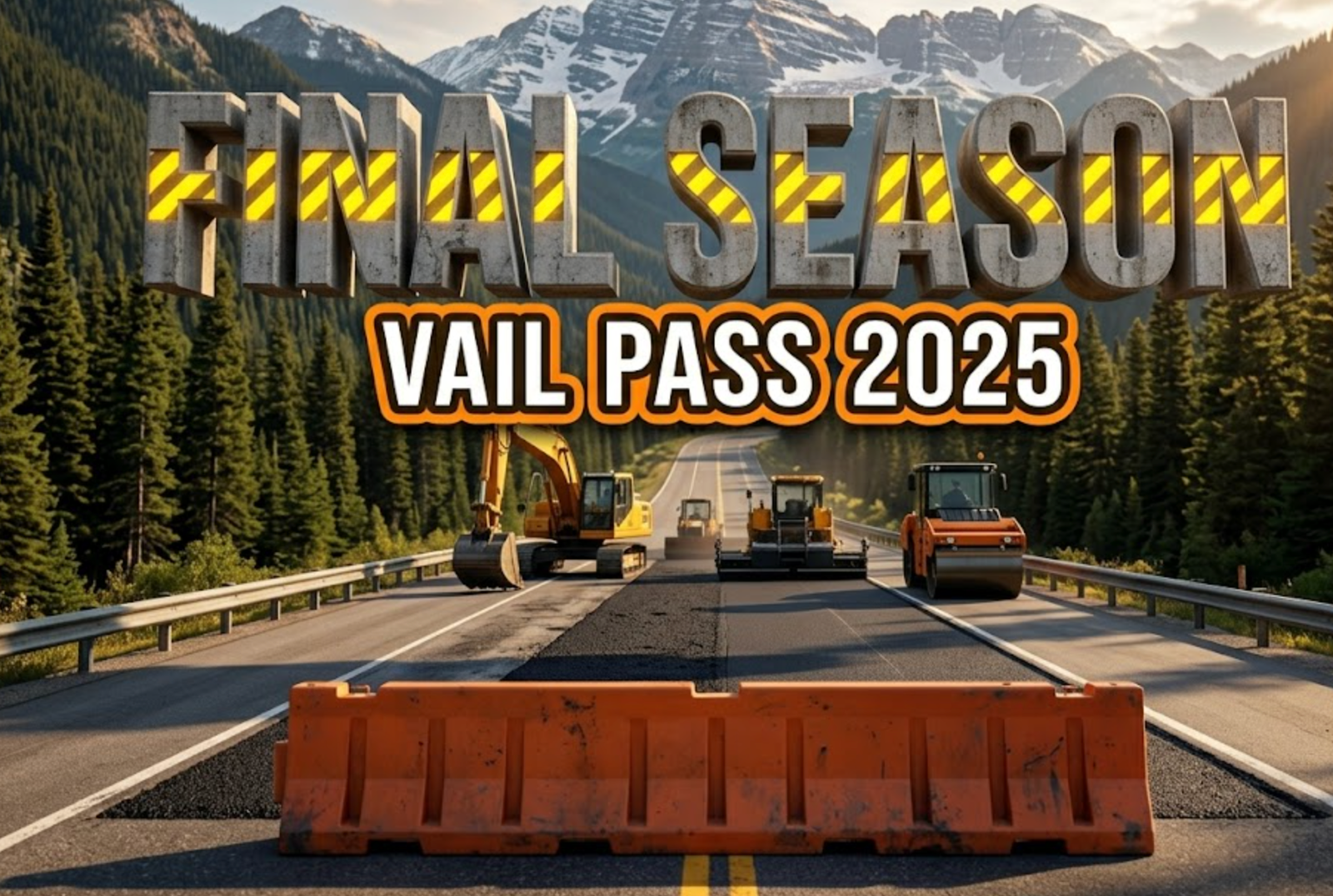
How Construction unfolded Since 2021
Work on the project launched in 2021 with initial grading and foundation preparation. Each summer since then crews have returned to complete another phase while working around unpredictable mountain weather.
The timeline shows steady progress despite challenges.
Project Timeline
| Year | Major Work Completed |
|---|---|
| 2021 | Initial grading and bridge work |
| 2022 | Drainage systems and early paving |
| 2023 | Eastbound auxiliary lane sections |
| 2024 | Westbound improvements and retaining walls |
| 2025 | Final paving, guardrails and striping |
This year represents the last major push. Officials say most heavy construction should wrap up by late fall if weather cooperates. The entire project carries a price tag exceeding 140 million dollars in public investment.
What Drivers Will Face During Final Season
Motorists should expect periodic lane closures and reduced speed limits through the work zone. Construction activity will focus on the remaining westbound segments that need completion.
Delays could add 20 to 45 minutes to trips over the pass during peak daytime hours. Weekend traffic may see lighter impacts but visitors heading to Vail or Beaver Creek should still plan extra time.
CDOT offers these practical tips for travelers:
- Check live updates on COtrip.org before departure
- Travel very early in the morning when possible
- Maintain extra following distance behind construction vehicles
- Never stop in travel lanes to take photos of the work
- Prepare for rapid changes in mountain weather conditions
Safety remains the top priority for both workers and drivers throughout the final season. Officials remind everyone that speeding or distracted driving in construction zones dramatically increases the chance of serious crashes.
Benefits Will Reach Far Beyond The Highway
Once finished the auxiliary lanes should reduce crash rates by giving vehicles safe places to merge and exit. Truck drivers in particular will gain better options on the steep grades that challenge heavy loads.
Local businesses in Eagle County and Summit County have watched the project closely. Many suffered from reduced customer traffic during earlier heavy construction phases. They now look forward to smoother access that could boost tourism for years ahead.
The improvements also fit into Colorado’s larger plan to modernize the entire I-70 mountain corridor. Similar auxiliary lane projects completed east of the Eisenhower Tunnel have already shown measurable safety gains and smoother traffic flow.
Environmental teams worked alongside construction crews to protect sensitive alpine areas. They installed special fencing and drainage systems to limit impact on wildlife and watersheds near the highway.
Many longtime Coloradans feel a sense of pride watching major infrastructure projects reach completion. The mountains shape our identity yet they also create unique engineering challenges that demand patience and smart planning.
This final construction season on West Vail Pass represents more than asphalt and steel. It shows a commitment to making mountain travel safer for families, workers, and visitors who come to enjoy Colorado’s beauty. The project reminds us that meaningful improvements take time but deliver lasting value for future generations.
As summer traffic builds and orange barrels reappear drivers might feel frustration. Yet most understand the temporary pain leads to a better highway that serves the state for decades to come. Safe travels remain the shared goal for everyone who calls these mountains home.









Spotify Running Mode hits Android and revives its old tempo experiment

Galaxy Tab S12 Ultra Renders Keep the Notch Fans Hate

Novato Spinning Round House Sells With Six Neighbors for $3.3 Million

Crop Tour Finds Indiana and Nebraska Corn Yields Lagging 2025

Best Buy 60th sale brings Android deals back to its roots

American Airlines reverses seatback screen bet years too late

Iran Hormuz Strikes Force Gulf Oil Onto Costlier Paths

Plague Tale Prequel Day One Joins Game Pass Wave 2 as Witcher Exits

NBA 2K27 opens The City to everyone and rewrites career eras

iOS 26.6.1 Patches 29 Flaws as AI Forces Faster Apple Updates

Double Fine Cuts 23 Jobs Weeks After Xbox Independence

Day-One Big Walk Lifts PS Plus August Beyond Recycled AAA

John Hight Exits Wizards After Digital Reckoning Hits

Curtis Mead’s Red Sox Debut Ends With Fractured Wrist

Moesch and Dressel Rewrite Night One at 2026 U.S. Nationals

Red Sox Squander Hot Streak Chance in 4-3 Loss to Athletics

Boutte’s Quiet Camp Takeover Forces Patriots Receiver Choices

Take-Two CEO Pushes Netflix Subs for GTA 6 Extended Look

Halo Campaign Evolved Skulls Meet Death Barriers That Kill the Hunt

Wildlands Free Update Hands Players the Tools They Already Invented
-

 TECHNOLOGY3 years ago
How to Adjust a Bulova Watch Band – An Easy Guide
-

 News3 years ago
Fred Pentland: Athletic Bilbao’s English mentor who changed the essence of Spanish football
-

 FINANCE3 years ago
Tax Planning for Every Season: Guide to Maximizing Your Tax Benefits
-

 Education3 years ago
African Ministers New Education Plan
-

 BUSINESS3 years ago
What is Entrepreneurial Operating System? A Comprehensive Guide to EOS
-

 Education3 years ago
Innovate Your Learning Journey with Technology and Enhance Education
-

 News3 years ago
Russians formally out of World Athletics Championships
-

 BUSINESS3 years ago
Top 9 Most Expensive American Cities to Rent an Apartment