
News
Trump Slaps 25% Tariffs on Japan and South Korea, Rattling Global Trade Ties

President Donald Trump is shaking up the global trade chessboard yet again — this time with a bold 25% tariff on imports from two of America’s closest Asian allies, Japan and South Korea. The tariffs, set to kick in August 1, have stunned markets, raised eyebrows among policy watchers, and sent business leaders scrambling for answers.
Big Tariffs, Bigger Message
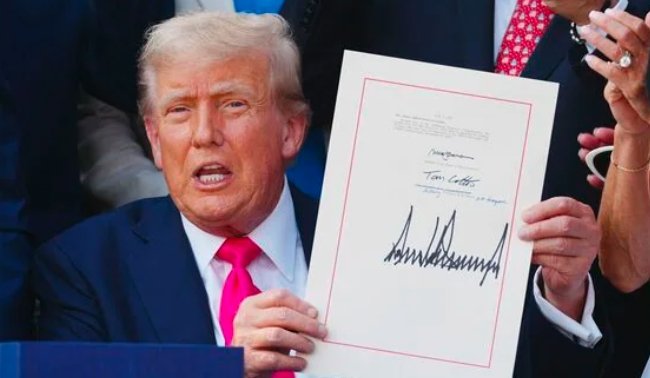
Trump made the announcement Monday through a pair of letters to Japanese and South Korean leaders, posted on Truth Social — his favored megaphone these days. He says the move is meant to address what he calls “persistent trade imbalances” that have, in his words, shortchanged American workers for decades.
One sentence: Allies or not, fair trade — or Trump’s version of it — still comes first.
What Gets Hit and Who Feels It
So what’s in the crosshairs? While the full list isn’t out yet, economists say auto parts, electronics, and consumer goods could take the brunt. These sectors have long been at the heart of the trade deficit with both countries.
Manufacturers in Michigan, Ohio, and Kentucky — places with big auto and electronics plants — are bracing for ripple effects. Higher prices for imported parts could mean pricier cars rolling off the lot.
A local auto supplier in Fort Wayne put it simply: “We’re staring at cost increases we’ll have to pass somewhere.”
A Look at the Numbers
Just how big is the trade gap that’s got Trump fired up? Here’s a snapshot:
| Country | 2024 U.S. Trade Deficit (Approx.) |
|---|---|
| Japan | $68 billion |
| South Korea | $31 billion |
That’s nearly $100 billion total, and Trump’s administration says these deficits hurt American jobs.
One sentence: Whether tariffs help balance that scale is another question.
Allies or Adversaries? It’s Getting Blurry
Japan and South Korea are more than trading partners — they’re critical allies in a region shadowed by China’s influence and North Korea’s unpredictability. That’s why the new tariffs are raising more than just economic concerns.
Some foreign policy analysts warn the move could strain diplomatic ties, just as the U.S. leans on both countries for security cooperation.
“This isn’t just about cars and semiconductors,” one analyst said. “It’s about sending a message that could echo far beyond the ports.”
Meanwhile, AmeriCorps Workers Head Back to Work
In a swirl of other administration news, about 400 AmeriCorps employees will be reinstated after a judge blocked Trump’s effort to trim federal staff. The workers had been placed on administrative leave in April under the Department of Government Efficiency.
A local union and nonprofit groups sued the agency, arguing it was political payback and undercut vital community work. A separate ruling paused cuts to AmeriCorps grants in states that challenged the move.
One sentence: For the volunteers on the ground, it means summer service programs are back on track — for now.
Student Loan Forgiveness Shake-Up Sparks Outcry
Trump’s team is also turning the screws on the Public Service Loan Forgiveness program, a lifeline for millions of public sector and nonprofit workers.
A draft proposal suggests denying forgiveness to organizations engaged in “illegal activities.” Critics say the wording could be twisted to target groups working on immigration or transgender rights — or even entire hospital systems if they run afoul of the administration’s priorities.
Advocates like the Student Borrower Protection Center worry the changes could weaponize student debt. “It’s one more way to control who gets help — and who doesn’t,” said one policy expert.
The draft plan will head for public comment before any final decision.
Business Leaders Brace for the Next Moves
Back on the trade front, industry groups are bracing for retaliation. Both Japan and South Korea hinted they might challenge the tariffs at the World Trade Organization or retaliate with their own measures.
One sentence: Tit-for-tat tariffs could make a comeback just when many hoped the trade wars were behind us.
Larry Chen, an export consultant, says companies need to hedge their bets. “Diversify your supply chain, stay nimble — that’s all you can do when the rules change overnight,” he said.
So, What Happens Next?
For now, businesses are stuck waiting for the detailed tariff list and possible exemptions. Some lobbyists are already knocking on doors in Washington, hoping to carve out carve-outs.
But if history is any guide, Trump won’t budge easily. His message to allies has always been the same: get your trade houses in order, or pay the price.
One sentence: With August 1 looming, the clock’s ticking for everyone from Detroit to Seoul.













Walmart’s $50 Million Opioid Settlement Closes Case Without Admission

California Sues Over $120 Million Morro Bay Wind Lease Buyout

Gilead Bixlenvo FDA Nod Opens Single Pill Path for Complex HIV Cases

Meta’s $18B Kids Deal Forever Shields Data Used to Spot Under-13s

Lettuce Outbreak Drove Record Cyclospora Spike Across 20 States

Amazon Shaves $20 Off M6 Mac Mini Before It Even Ships

SpaceX Louisiana Port Tests Debt Markets on Orbital AI Scale

Microsoft High Lifts Indexes as Small Caps Crack Support

Apple Replays 2015 Saturday Midnight Preorder for iPhone 18 Pro

Updated COVID Shots Clear FDA but Access Friction Hits High-Risk Groups

Take-Two CEO Pushes Netflix Subs for GTA 6 Extended Look

Wildlands Free Update Hands Players the Tools They Already Invented

Destiny 2 Fans Unlock Vaulted Maps After Live Service Ends

Quake Gets 19 Free Maps From MachineGames Quake Club

Quordle Monday Delivers Gavel Crush Speed Ethos Cleanly

Stripe Bid Shows PayPal Moat Cracked After Years of Slide

Tyson’s Five-Year Utah Plant Falls to Cattle Shortage Reckoning

Silver Lake Workday Talks Signal Private Floor for Software

Kennedy Lewis Takes Majority Control of The Greenbrier in $500M Deal

Best Buy Marks 60 Years With Sale That Echoes Its Audio Shop Roots
-

 TECHNOLOGY3 years ago
How to Adjust a Bulova Watch Band – An Easy Guide
-

 News3 years ago
Fred Pentland: Athletic Bilbao’s English mentor who changed the essence of Spanish football
-

 FINANCE3 years ago
Tax Planning for Every Season: Guide to Maximizing Your Tax Benefits
-

 Education3 years ago
African Ministers New Education Plan
-

 BUSINESS3 years ago
What is Entrepreneurial Operating System? A Comprehensive Guide to EOS
-

 Education3 years ago
Innovate Your Learning Journey with Technology and Enhance Education
-

 News3 years ago
Russians formally out of World Athletics Championships
-

 BUSINESS3 years ago
Top 9 Most Expensive American Cities to Rent an Apartment