
News
Stay Safe in Colorado Fat Bear Fall

Colorado Parks and Wildlife warns residents to take extra steps as black bears enter hyperphagia during Fat Bear Fall this September 2025. Cooler weather and limited natural foods push bears to forage near homes and trails, raising the risk of close encounters across the state.
What Drives Bears in Fat Bear Fall
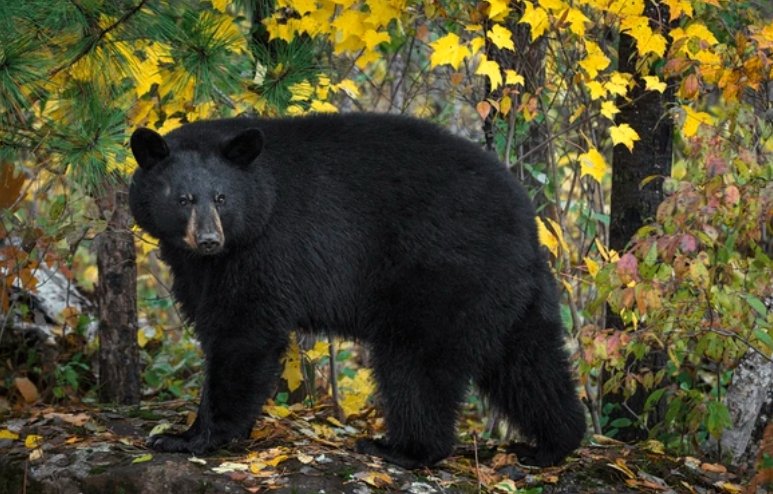
Bears shift into overdrive eating mode known as hyperphagia starting in late summer. They pack away thousands of calories daily to survive winter hibernation, often foraging up to twenty hours a day. In Colorado, this peaks from August through October, with bears seeking berries, nuts, and acorns that nature sometimes shortchanges.
Statewide, experts estimate 17,000 to 20,000 black bears roam the wilds. Most stick to mountains and foothills, but dry spells and late frosts in 2025 have cut natural supplies in spots like the Western Slope. This forces more bears into lower areas, boosting sightings in neighborhoods and parks.
Recent data shows bear reports climbing early this year. Officials handled over 5,000 conflicts in 2024 alone, a sharp rise from prior years due to food shortages. For 2025, spring sightings hit 82 in just 17 counties by April, signaling a busy fall ahead.
Bear Activity Spikes on Western Slope
The Western Slope faces the brunt of increased bear movements this fall. Areas around Grand Junction, Rifle, and Parachute report doubled conflicts compared to last year, mainly from bears hitting trash in residential zones. Wildlife managers blame inconsistent berry crops and drought for drawing animals closer to people.
Calls to officials dipped slightly in Grand Junction this September versus 2024, but experts say do not relax. Bears learn fast if they score easy meals from unlocked doors or open bins, leading to bold repeats. In Mesa and Garfield counties, human food access caused most issues, with some bears even entering homes.
Statewide trends mirror this, with northwest regions logging over 1,200 reports last year. Colorado’s growing bear numbers and urban sprawl mix to create hotspots. Simple habits like timely garbage pickup can cut these risks and keep wildlife patterns natural.
Key Steps to Secure Your Home
Homeowners play a big role in preventing bear visits by removing temptations. Store all trash in locked, bear-proof containers and roll it out only on collection morning. Clean bins with strong scents like ammonia to erase food traces that pull bears in.
Skip bird feeders from mid-April to mid-November, as seeds offer quick calories that rival wild finds. Lock vehicles tight, even for short errands, since bears smell snacks inside and can pry doors. Grills need a deep clean after every use to avoid greasy lures.
Pet owners should feed animals indoors and stash bowls away at night. Fruit from trees drops fast, so sweep yards daily to deny free snacks. These routines not only protect property but also stop bears from viewing humans as food sources.
Here is a list of top home prevention actions:
- Secure trash in approved bins or garages.
- Remove all outdoor pet food and water bowls.
- Lock every door and window before dusk.
- Harvest and dispose of garden fruits promptly.
Safe Practices for Trails and Camping
Outdoors enthusiasts must plan ahead to avoid surprises on hikes or campsites. Travel in groups and chat loudly to give bears space to slip away unnoticed. Carry bear spray on your hip, ready for quick use if a bear gets too near.
For camping, use bear-resistant boxes for all food, toiletries, and scented gear like sunscreen. Hang bags high and far from tents if no boxes exist, at least ten feet off ground and four feet from trunks. Pack out every scrap, as even small bits teach bears that camps mean meals.
Dogs on leashes stay close to prevent chases that rile bears. In berry patches, yield the trail to foragers and back off slowly if spotted. Hunting season adds layers, with archery bear tags available now through late September 2025, so wear bright colors for visibility.
| Prevention Area | Home Strategies | Outdoor Strategies |
|---|---|---|
| Food Management | Indoor storage, no open grills | Sealed containers, no cooking near tents |
| Scent Control | Ammonia-cleaned bins, no compost meats | Hang all smells, use unscented products |
| Alert Measures | Haze with noise if seen nearby | Group hikes, bear spray always accessible |
| Response Plan | Call officials for repeats | Yell and expand posture to deter approaches |
This table compares ways to apply safety rules in different settings.
New Tools and Incidents in 2025
Colorado Parks and Wildlife rolls out fresh methods to ease bear clashes this year. Their K-9 program expands with trained dogs like black labs that haze bears using barks and chases, building fear of human spots without harm. Two new officers joined in August 2025 for the Western Slope and southwest, targeting high-conflict zones.
Incidents highlight the stakes. A June 2025 campground near Routt County banned tents after a bear swatted at kids in one, leaving marks but no injuries.2
These events tie into broader efforts, like grants under a million dollars for community fixes. Year-round awareness cuts long-term problems, letting bears thrive in wild spaces.
Stay vigilant this Fat Bear Fall to protect yourself and Colorado’s bears. Share your tips or stories in the comments below and pass this along to keep everyone safe outdoors.











Spotify Running Mode hits Android and revives its old tempo experiment

Galaxy Tab S12 Ultra Renders Keep the Notch Fans Hate

Novato Spinning Round House Sells With Six Neighbors for $3.3 Million

Crop Tour Finds Indiana and Nebraska Corn Yields Lagging 2025

Best Buy 60th sale brings Android deals back to its roots

American Airlines reverses seatback screen bet years too late

Iran Hormuz Strikes Force Gulf Oil Onto Costlier Paths

Plague Tale Prequel Day One Joins Game Pass Wave 2 as Witcher Exits

NBA 2K27 opens The City to everyone and rewrites career eras

iOS 26.6.1 Patches 29 Flaws as AI Forces Faster Apple Updates

Double Fine Cuts 23 Jobs Weeks After Xbox Independence

Day-One Big Walk Lifts PS Plus August Beyond Recycled AAA

John Hight Exits Wizards After Digital Reckoning Hits

Curtis Mead’s Red Sox Debut Ends With Fractured Wrist

Moesch and Dressel Rewrite Night One at 2026 U.S. Nationals

Red Sox Squander Hot Streak Chance in 4-3 Loss to Athletics

Boutte’s Quiet Camp Takeover Forces Patriots Receiver Choices

Take-Two CEO Pushes Netflix Subs for GTA 6 Extended Look

Halo Campaign Evolved Skulls Meet Death Barriers That Kill the Hunt

Wildlands Free Update Hands Players the Tools They Already Invented
-

 TECHNOLOGY3 years ago
How to Adjust a Bulova Watch Band – An Easy Guide
-

 News3 years ago
Fred Pentland: Athletic Bilbao’s English mentor who changed the essence of Spanish football
-

 FINANCE3 years ago
Tax Planning for Every Season: Guide to Maximizing Your Tax Benefits
-

 Education3 years ago
African Ministers New Education Plan
-

 BUSINESS3 years ago
What is Entrepreneurial Operating System? A Comprehensive Guide to EOS
-

 Education3 years ago
Innovate Your Learning Journey with Technology and Enhance Education
-

 News3 years ago
Russians formally out of World Athletics Championships
-

 BUSINESS3 years ago
Top 9 Most Expensive American Cities to Rent an Apartment