
News
Colosseum Commodus Passage Opens to Public

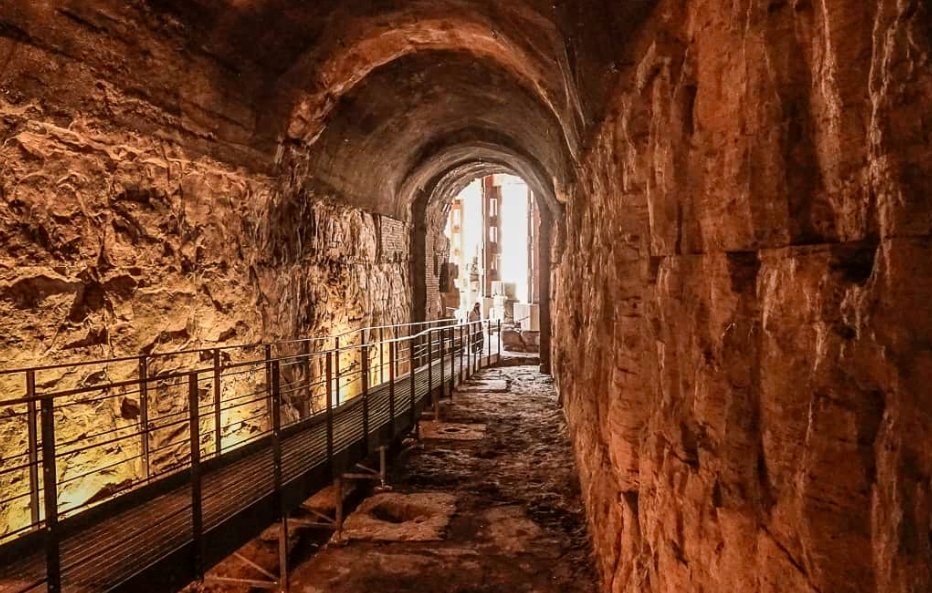
For the first time in nearly two thousand years, visitors can step into a hidden tunnel that Roman emperors used to enter the Colosseum in Rome without being seen. The Commodus Passage will open on October 27, 2025, after a full year of careful restoration work that brings this ancient secret to life for tourists and history fans.
History Behind the Secret Tunnel
The Colosseum stands as one of Rome’s greatest landmarks, built between 72 and 80 AD under emperors Vespasian and Titus. Workers added the Commodus Passage soon after, likely in the late first or early second century, to give rulers a safe way to reach their private viewing box. This S shaped corridor let emperors skip the crowds and avoid threats from assassins or curious eyes.
Historians link the name to Emperor Commodus, who ruled from 180 to 192 AD and loved gladiatorial fights so much that he dressed as Hercules to join the action. Records from ancient writers like Cassius Dio tell of an attempt on his life right in this tunnel, which he survived. The passage once featured marble walls and frescoes showing wild boar hunts, animal battles, and myths like Dionysus and Ariadne.
Experts still puzzle over where the tunnel started outside the Colosseum. Some think it connected to the gladiators’ training school on the east side or climbed up to the Caelian Hill. Rediscovered in the early 1800s, it stayed closed to protect its fragile state until now.
Details of the Restoration Effort
A team of archaeologists and restorers worked from October 2024 to September 2025 to bring the passage back to its former glory. They cleared away layers of dust and dirt built up over centuries. Laser tools helped reattach crumbling plaster and stucco decorations without causing more harm.
The project received funding from Italy’s National Recovery and Resilience Plan, which supports cultural sites across the country. New lights mimic the natural glow that once came through small skylights in the vaulted ceiling. Glass panels let future visitors peek at ongoing digs without stepping in the way.
This effort fits into broader plans to preserve Rome’s ancient treasures. Just last year, similar work fixed parts of the nearby Roman Forum after heavy rains caused damage. The restoration not only saves history but also boosts tourism, as the Colosseum draws over seven million people each year.
| Restoration Phase | Key Activities | Timeline |
|---|---|---|
| Preparation and Cleaning | Remove dust, stabilize structure | October 2024 – March 2025 |
| Decorative Recovery | Restore stucco, fresco traces with lasers | April 2025 – July 2025 |
| Modern Enhancements | Install lighting, walkways, glass views | August 2025 – September 2025 |
What to Expect for Visitors
Starting October 27, small groups can explore the 180 foot long tunnel as part of the Full Experience ticket, which costs about 24 euros for adults. Guided tours will explain the emperors’ world and point out remaining artwork, like scenes of acrobats and bear fights at the entrance.
The path leads straight to the imperial box, where rulers watched spectacles from a safe spot high above the arena floor. Digital displays will show how the full corridor looked in ancient times, complete with colorful marble and gold accents. Tours last around 30 minutes and run several times a day, but spots fill up fast during peak seasons.
- Key features include vaulted ceilings with skylight recreations.
- Original decorations show arena events and myths.
- Safe walkways ensure easy access for all ages.
- Nearby, visitors can see the hypogeum, the underground maze for gladiators and beasts.
This opening ties into recent trends, like virtual reality tours of Pompeii that let people explore ruins from home. It solves the common problem of crowded sites by offering exclusive paths that feel personal and immersive.
Why This Matters for History Lovers
Opening the Commodus Passage changes how we understand Roman power and daily life in the empire. It shows the mix of danger and luxury emperors faced, even in their own backyard. By making it public, experts hope to spark interest in lesser known stories, like how Commodus beheaded an ostrich in the arena to wow the crowd.
The site links to modern culture too, thanks to the Gladiator movie that brought Commodus back into the spotlight. Fans often search for real versus reel history, and this tunnel provides solid facts. It also highlights Italy’s push to protect heritage amid climate threats, such as rising sea levels eroding coastal ruins.
In a world where ancient sites face wear from overtourism, this controlled access balances education with preservation. It entertains with tales of intrigue while informing about engineering feats that still amaze today.
Future Plans and Broader Impact
A second phase of work starts in early 2026 to uncover more of the tunnel beyond the Colosseum walls. Teams aim to map its full route and connect it to other underground networks. This could reveal ties to the Ludus Magnus, where gladiators trained just blocks away.
The project inspires similar efforts elsewhere, like restoring hidden chambers in Egypt’s pyramids. For Rome, it means more jobs in archaeology and a boost to local businesses near the site. Experts predict a rise in visits, helping fund future digs.
As Rome prepares for its next wave of tourists, this tunnel reminds us of the city’s enduring pull. Share your thoughts on this historic step in the comments below, and tell friends to plan their trip soon.













Mortgage Rates Climb to an 11-Month High, and Buyers Retreat Fast

FCC Sets August 6 Vote to Erase the 39% TV Ownership Cap

Netflix Heads Into Earnings With Its 2022 Playbook Already Spent

China’s Economy Grows Just 4.3% as Exports Boom and Households Retreat

United Airlines Beats Earnings Estimates Despite $6 Billion Fuel Hit

California’s Plastic Packaging Law Draws Fire From Every Side

xAI Sues a Grok User for CSAM Deepfakes It Struggled to Stop

US Stocks Edge Within 0.5% of a Record as Oil Climbs on War

BlackRock’s Private Markets Bet Pays Off With a Record $15 Trillion in Assets

Kalshi Traders See 93% Odds Gas Tops $4 as Iran Strikes Return

Halo Studios Reverses PS Plus for Halo: Campaign Evolved on PS5

Black Ops 1 and 2 PS5 Ports: $40 Price Tag Has Fans Uneasy

Matt Brown Dismisses Rousey and Paul’s MVP MMA Ratings Win Over UFC

Star Wars: Galactic Racer Is a Roguelite Racer With a Podracing Skin

Julius Randle Traded to Nets as Wolves Reclaim Cap Space for Dosunmu

Sega’s $49.99 Sonic Classic and Modern Bundles Hit Switch in October

Colombia Edge DR Congo as Muñoz Books World Cup Knockout Place

Douze Dixièmes Closes Five Months After MIO: Memories in Orbit

Warriors Take Yaxel Lendeborg, the Oldest Pick in the 2026 NBA Draft

Meta’s Muse Image Lets Anyone Use Your Instagram Photos in AI
-

 TECHNOLOGY3 years ago
How to Adjust a Bulova Watch Band – An Easy Guide
-

 News3 years ago
Fred Pentland: Athletic Bilbao’s English mentor who changed the essence of Spanish football
-

 FINANCE3 years ago
Tax Planning for Every Season: Guide to Maximizing Your Tax Benefits
-

 Education3 years ago
African Ministers New Education Plan
-

 BUSINESS3 years ago
What is Entrepreneurial Operating System? A Comprehensive Guide to EOS
-

 Education3 years ago
Innovate Your Learning Journey with Technology and Enhance Education
-

 News3 years ago
Russians formally out of World Athletics Championships
-

 BUSINESS3 years ago
Top 9 Most Expensive American Cities to Rent an Apartment