
News
Turkey Unearths 1,300-Year-Old Jesus Bread

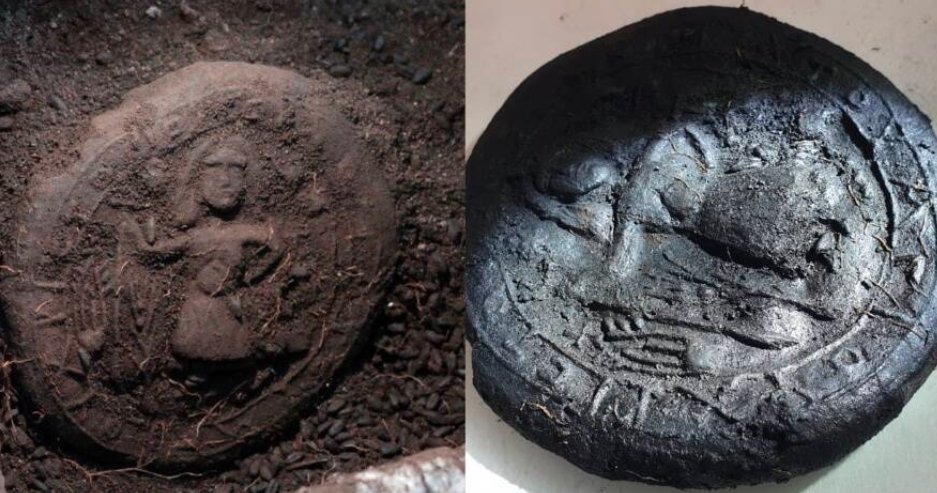
Archaeologists in Turkey have uncovered five intact loaves of bread from over 1,300 years ago, one stamped with an image of Jesus Christ. The find happened at the Topraktepe site in Karaman province, where the ancient city of Eirenopolis once stood, and the bread survived through natural carbonization that sealed it from air and decay.
This rare discovery sheds light on early Christian life in the Byzantine era. Experts believe the loaves served as communion bread in religious rituals, linking faith to everyday farming and harvest cycles.
The Surprise Find at Topraktepe
Workers dug up the loaves during routine excavations at Topraktepe. The site sits in the hills of southern Turkey and marks the remains of Eirenopolis, a key spot for trade and religion back in the day. This city, known as the City of Peace, acted as a bishop center under the big church in Constantinople.
The bread dates to the seventh or eighth century. That makes it from the Byzantine period when Christianity spread wide in the region. The loaves look almost whole thanks to charring from a fire long ago. This process turned them black but kept their shape and details clear.
Four of the loaves show a simple cross pattern, a common sign in Christian art. The fifth one stands out with its special design. It shows Jesus in a fresh way that ties right into local life.
Decoding the Jesus Image on the Bread
The standout loaf carries a picture of Jesus as a farmer sowing seeds. This version, called Farmer Christ, honors his ties to growth and the land. Around the image runs a Greek message that says, With our thanks to Blessed Jesus. Greek was the main language for church matters then, showing strong links to old Greek ways.
This image differs from the usual mighty Christ seen in big churches. Instead, it shows Jesus close to workers in the fields. People in Eirenopolis likely saw bread as holy because of Bible words where Jesus calls himself the bread of life. That verse from John comes alive in this find.
The design mixes thanks for good crops with prayer. In a farming area like this, folks blended daily work with worship. The bread might have been part of a thanks giving rite after harvest time.
What This Means for Early Christian Practices
These loaves give a peek into how people lived and prayed over a thousand years back. Bread was more than food; it stood for Jesus body in the Eucharist rite. Eastern churches used raised bread to show new life, much like rising dough.
The cross marks on most loaves point to their use in holy meals. Experts think the group of five suggests a full set from one event. This helps us understand small town faith in big empires.
In 2025 alone, Turkey saw other bread finds. One from the Bronze Age, over 5,000 years old, came from a ritual spot. These links show bread’s long role in human story, from old rites to Christian ones.
The Topraktepe bread adds to talks about Bible truths. It backs the idea of Jesus as bread, straight from that key verse. Historians now study the loaves for clues on old baking ways and grain types used.
| Ancient Bread Discoveries in Turkey | Date | Location | Key Features |
|---|---|---|---|
| Topraktepe Jesus Bread | 7th-8th Century CE | Karaman Province | Carbonized loaves with Jesus image and crosses; communion use |
| Bronze Age Ritual Bread | 3300 BCE | Central Anatolia | Charred chunk from ceremony; oldest known |
| Neolithic Bread Remains | 6000 BCE | Çatalhöyük | Early farming evidence; simple flatbread |
Ties to Bible and Local Life
The Farmer Christ image nods to Bible tales of sowing and reaping. Jesus often used farm stories to teach about faith and hope. In Eirenopolis, this made sense as the area relied on crops for trade along old routes.
Local folks thanked Jesus for fertile soil and good yields. The inscription shows real gratitude from daily struggles. This find proves how religion shaped community bonds in tough hill lands.
Experts link it to wider Byzantine art. While city icons show grand Jesus, rural ones like this feel more personal. It highlights variety in how people saw their savior.
- The loaves feature clear imprints that lasted through fire and time.
- Greek text proves ongoing use of that language in church even in remote spots.
- Cross designs match other Christian items from the era, like coins and seals.
- Preservation lets scientists test for old grains, perhaps wheat from local fields.
Future Digs and What Comes Next
Work at Topraktepe goes on strong. Teams hope to find more about the city walls, homes, and graves nearby. This could paint a full picture of life there.
The bread now heads to labs for close study. Tests might reveal exact age and make up. It could change views on early church in Anatolia.
This story grabs folks interested in history and faith. Share your thoughts on how old finds like this connect past to now. Drop a comment below and tell friends to read and discuss.













Spotify Running Mode hits Android and revives its old tempo experiment

Galaxy Tab S12 Ultra Renders Keep the Notch Fans Hate

Novato Spinning Round House Sells With Six Neighbors for $3.3 Million

Crop Tour Finds Indiana and Nebraska Corn Yields Lagging 2025

Best Buy 60th sale brings Android deals back to its roots

American Airlines reverses seatback screen bet years too late

Iran Hormuz Strikes Force Gulf Oil Onto Costlier Paths

Plague Tale Prequel Day One Joins Game Pass Wave 2 as Witcher Exits

NBA 2K27 opens The City to everyone and rewrites career eras

iOS 26.6.1 Patches 29 Flaws as AI Forces Faster Apple Updates

Caitlin Clark Skips the WNBA 3-Point Contest for a Third Straight Year

Rainout Gives Red Sox Two Shots at a Franchise-Record Win Streak

Double Fine Cuts 23 Jobs Weeks After Xbox Independence

Day-One Big Walk Lifts PS Plus August Beyond Recycled AAA

John Hight Exits Wizards After Digital Reckoning Hits

Curtis Mead’s Red Sox Debut Ends With Fractured Wrist

Moesch and Dressel Rewrite Night One at 2026 U.S. Nationals

Red Sox Squander Hot Streak Chance in 4-3 Loss to Athletics

Boutte’s Quiet Camp Takeover Forces Patriots Receiver Choices

Take-Two CEO Pushes Netflix Subs for GTA 6 Extended Look
-

 TECHNOLOGY3 years ago
How to Adjust a Bulova Watch Band – An Easy Guide
-

 News3 years ago
Fred Pentland: Athletic Bilbao’s English mentor who changed the essence of Spanish football
-

 FINANCE3 years ago
Tax Planning for Every Season: Guide to Maximizing Your Tax Benefits
-

 Education3 years ago
African Ministers New Education Plan
-

 BUSINESS3 years ago
What is Entrepreneurial Operating System? A Comprehensive Guide to EOS
-

 Education3 years ago
Innovate Your Learning Journey with Technology and Enhance Education
-

 News3 years ago
Russians formally out of World Athletics Championships
-

 BUSINESS3 years ago
Top 9 Most Expensive American Cities to Rent an Apartment