
News
Woman in Well Identified After 100 Years in Canada

Canadian police have solved a century old mystery by identifying the remains of a woman found in a Saskatoon well as Alice Spence. She likely died from foul play between 1916 and 1918, and her body stayed hidden until construction workers uncovered it in 2006.
Discovery of the Remains
Workers dug up an old gas station site in Saskatoons Sutherland area on June 29, 2006. They found bones inside a burlap sack tucked into a wooden barrel at the bottom of a well shaft.
The find shocked everyone involved. The body looked well preserved, which let experts do an autopsy right away. That test showed signs of a suspicious death, pointing to murder.
Dr. Ernie Walker, an expert in anthropology, called the preservation a miracle. He said a mix of water and old gasoline in the soil kept the remains intact over the years. This rare condition made it possible to gather clues that lasted almost a century.
Police started a full investigation that day. They sealed off the site and called in specialists to pull out every piece of evidence.
The Long Road to Identification
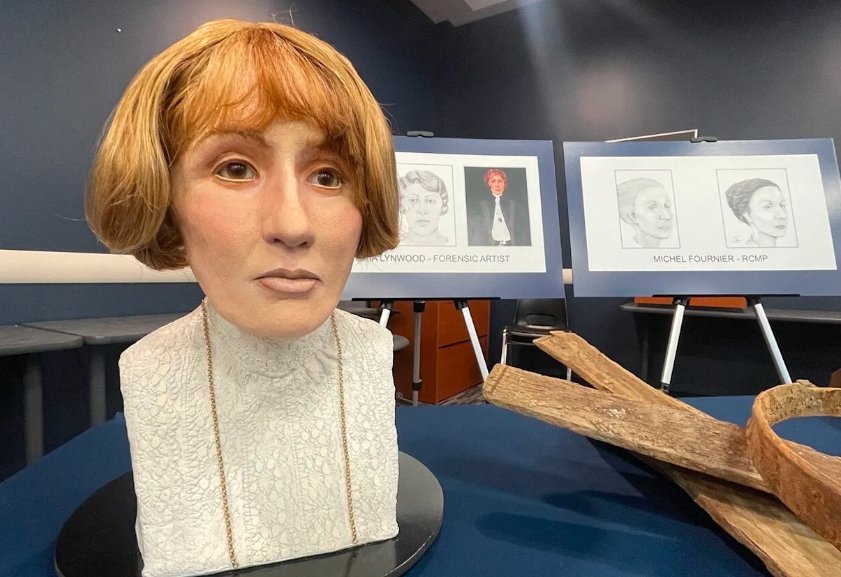
For 19 years, teams from the Saskatoon Police Service worked on the case. They tried many methods to figure out who the woman was, but early efforts hit dead ends.
Investigators used facial reconstructions and shared sketches with the public. They also checked old records and DNA samples, but nothing clicked at first.
The case drew attention across Canada as one of the oldest unsolved mysteries. People wondered how a body could stay hidden so long in a busy neighborhood.
In recent years, new tools changed everything. Police teamed up with experts from Toronto and a lab called Othram. This group used advanced genetic methods to build family trees from tiny DNA bits.
One key break came from teeth and hair samples. These gave enough genetic info to trace distant relatives. After testing those links, they confirmed the womans name in July 2025.
Who Was Alice Spence?
Alice Spence started life as Alice Burke in Michigan in September 1881. She grew up in a time when families often moved for better chances.
She married Charles Irvine Spence in Minnesota in 1904. Their daughter, Idella, came along in 1905. The family sought a fresh start and moved to Sutherland, near Saskatoon, in 1913.
Records show Alice living a normal life there. The 1916 census lists her with Charles and young Idella in their home.
Then she vanished from history. A fire destroyed the family house in 1918 while they were away. By 1921, Charles lived with Idella and a housekeeper, but Alice was gone.
Experts now believe someone killed her during those lost years. They think her body went into the well soon after, hidden away forever.
Here is a timeline of key events in Alice Spences life and the case:
| Year | Event |
|---|---|
| 1881 | Alice Burke born in Michigan |
| 1904 | Marries Charles Spence in Minnesota |
| 1905 | Daughter Idella born |
| 1913 | Family moves to Sutherland, Saskatoon |
| 1916 | Last census record shows Alice alive |
| 1918 | Family home burns down |
| 2006 | Remains found in well during excavation |
| 2025 | Identified as Alice Spence via DNA |
Breakthrough Through Modern DNA Tech
Investigative genetic genealogy made the difference. This method builds family trees from public DNA databases and old records.
Saskatoon police sent samples to Othram for processing. The lab created a detailed profile that matched distant family members.
One relative shared on social media how her DNA test helped crack the case. She learned about Alice three years ago and worked with police since then.
This approach solved other cold cases in Saskatchewan too. It shows how science can uncover truths from the past.
Police say this marks Canadas oldest case closed with genetic genealogy. It sets a new mark for solving historical crimes.
Family Finds Closure After Generations
Alice Spences descendants heard the news with mixed feelings. Many did not know about her until now.
A great great granddaughter spoke at a press conference. She called it surreal to learn about a lost family member.
The family plans a proper memorial for Alice. They want to honor her memory after so long in the dark.
This closure helps heal old wounds. It reminds everyone that even century old stories matter.
Relatives shared photos and stories from their side. They pieced together more about Alices life, like her Irish roots and daily routines.
- Alice wore a gold necklace and silk blouse on her last day, signs of a caring woman.
- Her daughter Idella grew up without her mother and passed away years later.
- Descendants live across North America, now connected by this discovery.
- The case inspired podcasts and videos that tell Alices full story.
Why This Case Matters Today
Solving the Woman in the Well mystery highlights advances in forensics. It proves old cases can find justice with new tools.
Experts say more identifications will come as DNA tech improves. This could help families everywhere.
The story also touches on early 20th century life in Canada. Immigrants like Alice faced hardships, and some stories stayed buried.
It raises questions about unsolved deaths from that era. How many more remain hidden?
This case shows persistence pays off. Police and scientists kept at it for nearly two decades.
As trends in true crime grow, stories like this draw big interest. They mix history with modern sleuthing.
Readers, what do you think about this amazing breakthrough? Share your thoughts in the comments and pass this article to friends who love cold case stories.













Spotify Running Mode hits Android and revives its old tempo experiment

Galaxy Tab S12 Ultra Renders Keep the Notch Fans Hate

Novato Spinning Round House Sells With Six Neighbors for $3.3 Million

Crop Tour Finds Indiana and Nebraska Corn Yields Lagging 2025

Best Buy 60th sale brings Android deals back to its roots

American Airlines reverses seatback screen bet years too late

Iran Hormuz Strikes Force Gulf Oil Onto Costlier Paths

Plague Tale Prequel Day One Joins Game Pass Wave 2 as Witcher Exits

NBA 2K27 opens The City to everyone and rewrites career eras

iOS 26.6.1 Patches 29 Flaws as AI Forces Faster Apple Updates

Double Fine Cuts 23 Jobs Weeks After Xbox Independence

Day-One Big Walk Lifts PS Plus August Beyond Recycled AAA

John Hight Exits Wizards After Digital Reckoning Hits

Curtis Mead’s Red Sox Debut Ends With Fractured Wrist

Moesch and Dressel Rewrite Night One at 2026 U.S. Nationals

Red Sox Squander Hot Streak Chance in 4-3 Loss to Athletics

Boutte’s Quiet Camp Takeover Forces Patriots Receiver Choices

Take-Two CEO Pushes Netflix Subs for GTA 6 Extended Look

Halo Campaign Evolved Skulls Meet Death Barriers That Kill the Hunt

Wildlands Free Update Hands Players the Tools They Already Invented
-

 TECHNOLOGY3 years ago
How to Adjust a Bulova Watch Band – An Easy Guide
-

 News3 years ago
Fred Pentland: Athletic Bilbao’s English mentor who changed the essence of Spanish football
-

 FINANCE3 years ago
Tax Planning for Every Season: Guide to Maximizing Your Tax Benefits
-

 Education3 years ago
African Ministers New Education Plan
-

 BUSINESS3 years ago
What is Entrepreneurial Operating System? A Comprehensive Guide to EOS
-

 Education3 years ago
Innovate Your Learning Journey with Technology and Enhance Education
-

 News3 years ago
Russians formally out of World Athletics Championships
-

 BUSINESS3 years ago
Top 9 Most Expensive American Cities to Rent an Apartment