
News
Sesame Street Marks 56th Anniversary with Fresh Debut

On November 10, 1969, the groundbreaking children’s show Sesame Street premiered on public television in the United States, changing how kids learn through fun and engaging content. Created by Joan Ganz Cooney after talks with experts on using TV to educate preschoolers, the program quickly became a hit by blending Muppets, music, and real life lessons on letters, numbers, and tough topics like emotions and loss.
The Origins of a Beloved Show
The idea for Sesame Street started in 1966 at a simple dinner party. Joan Ganz Cooney heard about a friend’s young daughter glued to the TV screen. This sparked her interest in turning television into a tool for learning. She teamed up with Lloyd Morrisett from the Carnegie Foundation to explore ways to make shows that could teach kids basic skills.
Cooney gathered a team of educators and child development specialists. They spent two years researching what preschoolers needed most. The goal was clear: help children from all backgrounds get ready for school in a fun way. With funding from big groups like the Ford Foundation and the government, they launched the Children’s Television Workshop to produce the series.
Early tests proved the mix of human actors and Muppets worked wonders. Kids loved the lively interactions. The show aimed to reach urban areas where many families lacked access to quality preschool programs. By focusing on repetition and humor, it made learning stick without feeling like a chore.
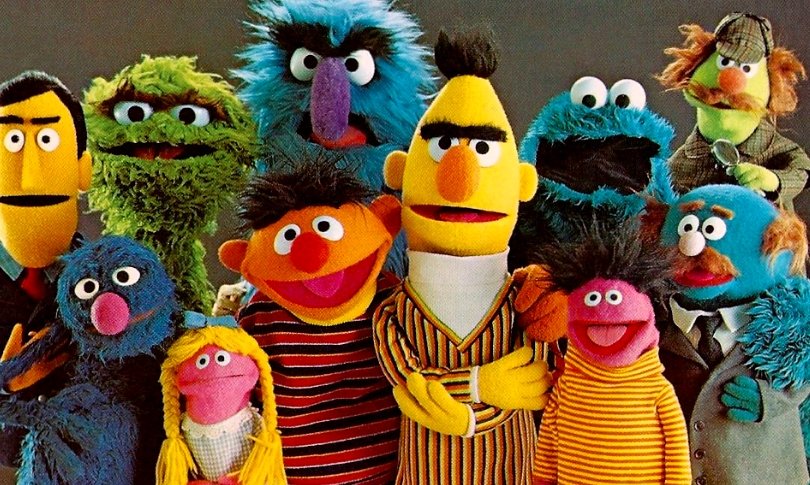
How Sesame Street Changed Kids TV Forever
Sesame Street broke new ground right from the start. It was the first children’s program built on solid research, using a model that tested content before airing. This approach ensured every segment helped with skills like counting or sharing. Viewers tuned in by the millions, with early ratings showing it reached almost two million homes despite limited stations.
The show tackled real world issues early on. Episodes covered topics like racial diversity and community living. It featured guest stars from music and sports to keep things exciting. Over time, it won more Emmy Awards than any other kids show, proving its lasting value.
One key change came in the 1970s when the cast grew to include more diverse faces. This reflected America’s changing society. By the 1980s, storylines dealt with loss, like the death of Mr. Hooper, teaching kids about grief in a gentle way. These moments built trust with families worldwide.
Iconic Characters and Their Enduring Appeal
Big Bird, Elmo, and Cookie Monster have become household names over the decades. Big Bird, the giant yellow bird, first appeared in 1969 and represents innocence and curiosity. Elmo joined later in the 1980s and stole hearts with his high energy and love for hugs. Cookie Monster teaches self control while munching on treats.
These characters do more than entertain. They model good behavior, like teamwork and kindness. Fans still share stories of how Elmo helped them through tough days. The Muppets, created by Jim Henson, bring magic to every episode with their expressive faces and voices.
In recent years, new friends like Abby Cadabby added fairy tale fun. The team keeps updating characters to match modern kids’ lives. This keeps the show fresh while honoring its roots.
| Key Sesame Street Characters | Debut Year | Fun Fact |
|---|---|---|
| Big Bird | 1969 | Stands 8 feet tall and lives in a nest on Sesame Street. |
| Elmo | 1980s | Known for “Elmo’s World,” a segment on everyday topics. |
| Cookie Monster | 1969 | Originally loved cookies but now enjoys fruits too. |
| Oscar the Grouch | 1969 | Lives in a trash can and teaches about differences. |
| Abby Cadabby | 2006 | A fairy in training who loves magic and learning. |
Global Reach and Recent Streaming Shifts
Sesame Street has grown far beyond the US. Today, versions air in over 140 countries, reaching 190 million kids. Co productions adapt lessons to local cultures, like teaching in different languages. This year marks a big move to Netflix for new episodes, available in more than 30 languages.
The 56th season launched on November 10, 2025, with a fresh look. It drops the old short segment style for longer stories that pull viewers in. PBS Kids still airs them too, keeping the free access families love. Older episodes stay on platforms like Max until 2027.
This change helps more kids worldwide tune in. Netflix’s global power means episodes hit screens fast. Experts say it builds on the show’s history of adapting to new tech, from VHS tapes to apps.
- Milestones in Sesame Street’s Global Expansion:
- 1970s: First international versions in Canada and Australia.
- 1990s: Over 20 co productions in places like South Africa.
- 2000s: Reaches 120 million viewers yearly.
- 2025: Streams in 30+ languages on Netflix for the first time.
Fan Memories and Future Celebrations
Fans lit up social media on the 56th anniversary. Posts shared old clips and personal stories of growing up with the show. Many praised how it taught them empathy and joy. Videos on YouTube replayed classic moments, drawing millions of views.
Parents today use Sesame Street to explain big feelings to their little ones. Recent episodes cover topics like climate change and mental health in kid friendly ways. The nonprofit behind it, Sesame Workshop, keeps pushing for kinder, smarter kids everywhere.
As the show looks ahead, it plans more interactive content online. Starting next year, hundreds of classic episodes hit YouTube for free. This keeps the legacy alive for new generations.
What are your favorite Sesame Street memories? Share in the comments below and spread the word by sharing this article with friends and family.













Spotify Running Mode hits Android and revives its old tempo experiment

Galaxy Tab S12 Ultra Renders Keep the Notch Fans Hate

Novato Spinning Round House Sells With Six Neighbors for $3.3 Million

Crop Tour Finds Indiana and Nebraska Corn Yields Lagging 2025

Best Buy 60th sale brings Android deals back to its roots

American Airlines reverses seatback screen bet years too late

Iran Hormuz Strikes Force Gulf Oil Onto Costlier Paths

Plague Tale Prequel Day One Joins Game Pass Wave 2 as Witcher Exits

NBA 2K27 opens The City to everyone and rewrites career eras

iOS 26.6.1 Patches 29 Flaws as AI Forces Faster Apple Updates

Double Fine Cuts 23 Jobs Weeks After Xbox Independence

John Hight Exits Wizards After Digital Reckoning Hits

Day-One Big Walk Lifts PS Plus August Beyond Recycled AAA

Curtis Mead’s Red Sox Debut Ends With Fractured Wrist

Red Sox Squander Hot Streak Chance in 4-3 Loss to Athletics

Moesch and Dressel Rewrite Night One at 2026 U.S. Nationals

Boutte’s Quiet Camp Takeover Forces Patriots Receiver Choices

Take-Two CEO Pushes Netflix Subs for GTA 6 Extended Look

Halo Campaign Evolved Skulls Meet Death Barriers That Kill the Hunt

Wildlands Free Update Hands Players the Tools They Already Invented
-

 TECHNOLOGY3 years ago
How to Adjust a Bulova Watch Band – An Easy Guide
-

 News3 years ago
Fred Pentland: Athletic Bilbao’s English mentor who changed the essence of Spanish football
-

 FINANCE3 years ago
Tax Planning for Every Season: Guide to Maximizing Your Tax Benefits
-

 Education3 years ago
African Ministers New Education Plan
-

 BUSINESS3 years ago
What is Entrepreneurial Operating System? A Comprehensive Guide to EOS
-

 Education3 years ago
Innovate Your Learning Journey with Technology and Enhance Education
-

 BUSINESS3 years ago
Top 9 Most Expensive American Cities to Rent an Apartment
-

 News3 years ago
Russians formally out of World Athletics Championships