
News
World Diabetes Day 2025 Spotlights Rates and Tech

World Diabetes Day on November 14, 2025, drew global attention to rising diabetes rates and innovative tools that help people manage the condition better. Health experts highlighted how nearly 38.4 million Americans live with diabetes, while new devices like advanced glucose monitors offer hope for easier daily control.
The Rising Challenge of Diabetes in America
Diabetes affects millions across the United States, with numbers climbing each year due to factors like diet, inactivity, and aging populations. Recent data shows that 11.6 percent of the total US population, or about 38.4 million people of all ages, have the disease. Among adults aged 18 and older, the rate jumps to 14.7 percent, impacting 38.1 million lives.
In Colorado, the situation mirrors national trends but hits closer to home for many residents. State reports indicate that around 377,300 adults, or 7.6 percent of the adult population, deal with diagnosed diabetes. This overlooked health issue leads to higher risks of heart disease, vision loss, and other complications if not managed well. Experts stress that early detection and lifestyle changes can make a big difference in preventing severe outcomes.
To break down the numbers clearly, here is a table summarizing key diabetes statistics for the US and Colorado based on the latest available data:
| Category | US Total | Colorado Specific |
|---|---|---|
| Total with Diabetes | 38.4 million (11.6%) | 377,300 adults (7.6%) |
| Adults Aged 18+ | 38.1 million (14.7%) | N/A |
| Undiagnosed Cases | About 8.7 million (22.8%) | Estimated similar rate |
| Prediabetes Prevalence | 98 million adults | 1 in 3 adults at risk |
These figures underscore the urgency for awareness, especially as prediabetes affects nearly one in three teens nationwide, serving as a wake-up call for prevention efforts.
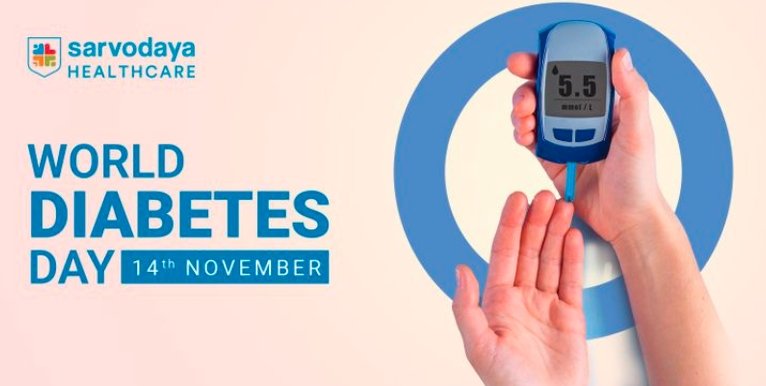
World Diabetes Day 2025: Focus on Well-Being and Workplaces
This year’s World Diabetes Day carried the theme “Diabetes and well-being,” with a special emphasis on “Diabetes and the workplace.” The event, marked every November 14 to honor the birthday of insulin co-discoverer Sir Frederick Banting, aimed to show how the disease touches all life stages, from childhood to old age. Global organizations pushed for better support in jobs, like flexible breaks for monitoring and education on healthy eating at work.
Events worldwide included free screenings, educational talks, and community walks to raise funds and spread knowledge. In places like Kenya and India, hospitals hosted sessions on diabetes management, while social media buzzed with personal stories and tips. The day reminded everyone that diabetes management goes beyond medicine; it involves mental health, family support, and workplace adjustments to improve quality of life.
One key message was bridging gaps in care, especially for underserved groups. With diabetes rates rising in rural areas, where prevalence can reach 14.3 percent compared to urban spots, the campaign called for more resources in these communities.
Breakthroughs in Diabetes Management Technology
Technology has transformed how people with diabetes handle their condition, making it less burdensome and more precise. Continuous glucose monitors, or CGMs, now provide real-time data to phones, helping users avoid dangerous highs or lows without constant finger pricks. The Dexcom G7, for example, stands out as one of the most accurate systems, with readings that update every five minutes.
In 2025, exciting updates include the FDA-cleared Dexcom G7 15-Day sensor, set to launch later this year for adults 18 and older. This version extends wear time from 10 to 15 days, reducing changes and waste while keeping top accuracy levels. It integrates with automated insulin delivery systems and smart pens, allowing seamless adjustments to insulin doses based on glucose trends.
Other advancements feature AI-driven apps that predict glucose shifts and offer personalized advice. For instance, new app features like seven-day glucose management indicators help track progress and motivate users. These tools not only lower A1C levels but also cut down on hospital visits, saving lives and costs. As one expert noted, this “new era” of tech expands access to better care for a wider range of patients, from kids to seniors.
A Colorado Native’s Inspiring Journey with Dexcom
Bruce Moss, a 67-year-old from Durango, Colorado, embodies the power of technology in diabetes care. Diagnosed with type 1 diabetes 27 years ago, Moss has turned his challenges into advocacy. He was selected from over 1,000 applicants to feature in Dexcom’s World Diabetes Day 2025 campaign, sharing how tools like the Dexcom G7 keep him active.
During a tough bike and boat tour in Croatia, covering 200 miles and 6,000 feet of elevation in seven days, Moss relied on his device to stay safe. “The technology now is so spot on,” he said, explaining how it linked to his phone to prevent glucose crashes mid-adventure. His story highlights how such innovations enable full lives, from travel to daily routines, and inspires others to seek support.
Moss’s selection underscores Dexcom’s push for real voices in awareness efforts. By spotlighting advocates like him, the campaign connects with people worldwide, showing that diabetes does not have to limit dreams.
Spotting Warning Signs and Taking Action
Many cases go undiagnosed, with about 22.8 percent of US adults with diabetes unaware of their condition. Common symptoms include increased thirst, frequent urination, constant fatigue, blurred vision, and unusual hunger. If these appear, experts urge a quick chat with a doctor for tests and guidance.
Prevention starts with simple steps like balanced meals, regular exercise, and weight management. For those at risk, programs can cut type 2 diabetes chances by up to 58 percent. World Diabetes Day events often offer free checks, making it easier to catch issues early.
Here are key warning signs to watch for in bullet points:
- Excessive thirst and dry mouth
- Frequent trips to the bathroom, especially at night
- Unexplained weight loss or gain
- Slow-healing sores or frequent infections
- Tingling or numbness in hands and feet
Acting fast on these can lead to better health outcomes and peace of mind.
As World Diabetes Day 2025 wraps up, its messages on well-being and tech continue to resonate. Share your thoughts or experiences in the comments below, and help spread awareness by sharing this article with friends and family who might need it.













Spotify Running Mode hits Android and revives its old tempo experiment

Galaxy Tab S12 Ultra Renders Keep the Notch Fans Hate

Novato Spinning Round House Sells With Six Neighbors for $3.3 Million

Crop Tour Finds Indiana and Nebraska Corn Yields Lagging 2025

Best Buy 60th sale brings Android deals back to its roots

American Airlines reverses seatback screen bet years too late

Iran Hormuz Strikes Force Gulf Oil Onto Costlier Paths

Plague Tale Prequel Day One Joins Game Pass Wave 2 as Witcher Exits

NBA 2K27 opens The City to everyone and rewrites career eras

iOS 26.6.1 Patches 29 Flaws as AI Forces Faster Apple Updates

Caitlin Clark Skips the WNBA 3-Point Contest for a Third Straight Year

Rainout Gives Red Sox Two Shots at a Franchise-Record Win Streak

Double Fine Cuts 23 Jobs Weeks After Xbox Independence

Day-One Big Walk Lifts PS Plus August Beyond Recycled AAA

John Hight Exits Wizards After Digital Reckoning Hits

Curtis Mead’s Red Sox Debut Ends With Fractured Wrist

Moesch and Dressel Rewrite Night One at 2026 U.S. Nationals

Red Sox Squander Hot Streak Chance in 4-3 Loss to Athletics

Boutte’s Quiet Camp Takeover Forces Patriots Receiver Choices

Take-Two CEO Pushes Netflix Subs for GTA 6 Extended Look
-

 TECHNOLOGY3 years ago
How to Adjust a Bulova Watch Band – An Easy Guide
-

 News3 years ago
Fred Pentland: Athletic Bilbao’s English mentor who changed the essence of Spanish football
-

 FINANCE3 years ago
Tax Planning for Every Season: Guide to Maximizing Your Tax Benefits
-

 Education3 years ago
African Ministers New Education Plan
-

 BUSINESS3 years ago
What is Entrepreneurial Operating System? A Comprehensive Guide to EOS
-

 Education3 years ago
Innovate Your Learning Journey with Technology and Enhance Education
-

 News3 years ago
Russians formally out of World Athletics Championships
-

 BUSINESS3 years ago
Top 9 Most Expensive American Cities to Rent an Apartment