
News
Colorado Businesses Get Wildfire Disaster Loans

Small businesses in western Colorado hit hard by summer wildfires can now access low interest federal loans to aid recovery. The U.S. Small Business Administration rolled out these loans this week after Governor Jared Polis requested help for areas scorched by massive fires like the Elk and Lee blazes.
Fires Devastate Western Colorado
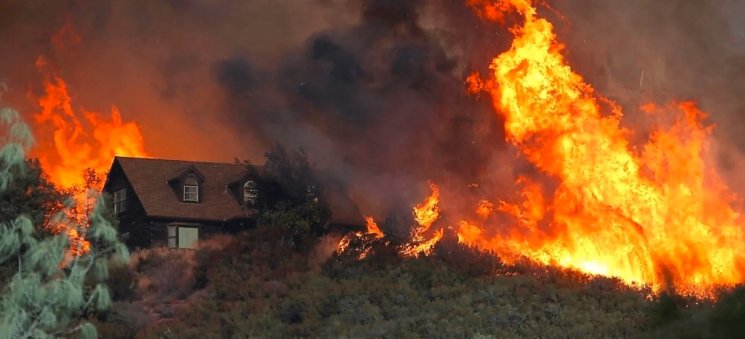
Wildfires tore through western Colorado this summer, burning over 150,000 acres and forcing evacuations in several counties. The Elk Fire alone scorched 14,549 acres near Meeker, while the Lee Fire raged across 137,758 acres, leaving behind charred land and economic fallout.
Heavy rains after the fires triggered debris flows and mudslides from August 2 to 29, adding to the damage. These events disrupted local economies, closing roads and hurting tourism dependent towns. Officials estimate millions in losses for small businesses, from reduced customer traffic to supply chain breaks.
Communities in Garfield, Moffat, Rio Blanco, and Routt counties in Colorado, plus Uintah County in Utah, felt the brunt. Ranchers lost grazing land, shops saw sales plummet, and nonprofits struggled with service interruptions.
This mirrors past disasters, like the 2020 wildfires that cost Colorado billions and led to similar aid programs. Experts warn that with climate change fueling more intense fires, recovery tools like these loans become vital for long term stability.
SBA Steps In with Economic Aid
The Small Business Administration responded quickly by declaring an economic injury disaster. This opens up Economic Injury Disaster Loans, or EIDLs, designed to cover working capital shortfalls rather than physical repairs.
Loans go up to $2 million per business, with interest rates at 4 percent for small businesses and 3.6 percent for nonprofits. Funds can pay for ongoing costs like payroll, rent, utilities, and bills, helping owners bridge the gap until normal operations resume.
One official noted that without this support, up to 25 percent of businesses in affected areas might close within two years. The goal is to keep local economies alive, as thriving businesses retain jobs and residents.
These loans differ from physical disaster loans, focusing instead on income loss. For example, a nursery hit by fire related evacuations could use the money to buy inventory or cover employee wages during slow periods.
Who Qualifies for Help
Eligibility covers small businesses, agricultural cooperatives, nurseries, and private nonprofits that suffered economic harm from the fires or mudslides. Applicants must show they operated in the declared counties and provide proof of losses.
To qualify, businesses submit two years of tax returns and financial statements. The process checks if the organization can repay the loan based on pre disaster income levels.
Here are key eligibility points:
- Must be a small business or qualifying nonprofit in the affected areas.
- Prove economic injury, such as lost revenue or increased costs due to the disaster.
- No need for physical damage; focus is on financial impact.
- Available to agricultural groups, but not large farms.
Nonprofits like charities or community centers can apply if they lost donations or event income. The program aims to be inclusive, encouraging even those with minor losses to seek aid.
Officials stress that denials can be appealed within six months, with guidance on strengthening applications.
Application Process Made Simple
Applying starts online through the Small Business Administration website or by phone. A temporary Business Recovery Center opens in Meeker Town Hall from December 1 to 12, operating weekdays from 8 a.m. to 5 p.m.
Staff there will help with paperwork and answer questions. Businesses should gather financial records ahead of time to speed things up.
| Loan Detail | Description |
|---|---|
| Maximum Amount | Up to $2 million |
| Interest Rate | 4% for businesses, 3.6% for nonprofits |
| Use of Funds | Payroll, rent, utilities, bills |
| Repayment Term | Up to 30 years |
| Application Deadline | Not specified, but first come, first served |
Loans disburse on a first come basis, so early action matters. Once approved, funds arrive quickly to meet immediate needs.
For those unsure, the center offers free consultations. This setup echoes successful recovery efforts after Colorado’s 2021 Marshall Fire, where similar loans helped hundreds rebuild.
Broader Recovery and Future Outlook
Beyond loans, state and federal teams coordinate debris cleanup and infrastructure repairs. Governor Polis praised the quick response, noting it builds on lessons from recent droughts and fires that strained resources.
Local leaders urge affected owners to apply, emphasizing community resilience. Keeping businesses open prevents job losses and population decline in rural areas.
With wildfires becoming more common, programs like this provide a safety net. Data from the past five years shows SBA disaster aid has supported over 10,000 Colorado businesses, injecting billions into recovery.
Experts predict that as fire seasons lengthen, economic tools will evolve to include prevention grants alongside relief.
If this story resonates with you or your community, share it on social media and drop a comment below on how wildfires have impacted your area. Your input could help highlight more recovery needs.










Spotify Running Mode hits Android and revives its old tempo experiment

Galaxy Tab S12 Ultra Renders Keep the Notch Fans Hate

Novato Spinning Round House Sells With Six Neighbors for $3.3 Million

Crop Tour Finds Indiana and Nebraska Corn Yields Lagging 2025

Best Buy 60th sale brings Android deals back to its roots

American Airlines reverses seatback screen bet years too late

Iran Hormuz Strikes Force Gulf Oil Onto Costlier Paths

Plague Tale Prequel Day One Joins Game Pass Wave 2 as Witcher Exits

NBA 2K27 opens The City to everyone and rewrites career eras

iOS 26.6.1 Patches 29 Flaws as AI Forces Faster Apple Updates

Double Fine Cuts 23 Jobs Weeks After Xbox Independence

Day-One Big Walk Lifts PS Plus August Beyond Recycled AAA

John Hight Exits Wizards After Digital Reckoning Hits

Curtis Mead’s Red Sox Debut Ends With Fractured Wrist

Moesch and Dressel Rewrite Night One at 2026 U.S. Nationals

Red Sox Squander Hot Streak Chance in 4-3 Loss to Athletics

Boutte’s Quiet Camp Takeover Forces Patriots Receiver Choices

Take-Two CEO Pushes Netflix Subs for GTA 6 Extended Look

Halo Campaign Evolved Skulls Meet Death Barriers That Kill the Hunt

Wildlands Free Update Hands Players the Tools They Already Invented
-

 TECHNOLOGY3 years ago
How to Adjust a Bulova Watch Band – An Easy Guide
-

 News3 years ago
Fred Pentland: Athletic Bilbao’s English mentor who changed the essence of Spanish football
-

 FINANCE3 years ago
Tax Planning for Every Season: Guide to Maximizing Your Tax Benefits
-

 Education3 years ago
African Ministers New Education Plan
-

 BUSINESS3 years ago
What is Entrepreneurial Operating System? A Comprehensive Guide to EOS
-

 Education3 years ago
Innovate Your Learning Journey with Technology and Enhance Education
-

 News3 years ago
Russians formally out of World Athletics Championships
-

 BUSINESS3 years ago
Top 9 Most Expensive American Cities to Rent an Apartment