
News
Indiana Warns of Rising Pet Scams This Holiday

Authorities in Indiana are sounding the alarm about a sharp rise in pet scams as the holiday season kicks off. The Indiana Board of Animal Health and Humane Fort Wayne report that scammers target eager pet buyers and owners of lost animals, leading to big financial losses for victims across the state.
Authorities Issue Urgent Alert
The Indiana Board of Animal Health and Humane Fort Wayne released a joint warning on November 21, 2025, highlighting the growing threat of pet scams during the holidays. Leaders from both groups point out that this time of year sees a spike in fraudulent activities, driven by high demand for pets as gifts.
This alert comes amid reports of scammers impersonating shelter staff and creating fake online listings. Denise Derrer Spears, communications director for the Board of Animal Health, urges people to research thoroughly before buying or responding to calls about pets. Local news outlets in Fort Wayne have covered similar stories, showing how these scams prey on emotions during festive times.
Experts note that pet scams have surged nationwide, with the Better Business Bureau reporting a 486 percent increase in such frauds since 2020. In Indiana, the problem hits close to home, especially in areas like Fort Wayne where community shelters deal with the fallout.
Common Scams Targeting Pet Lovers
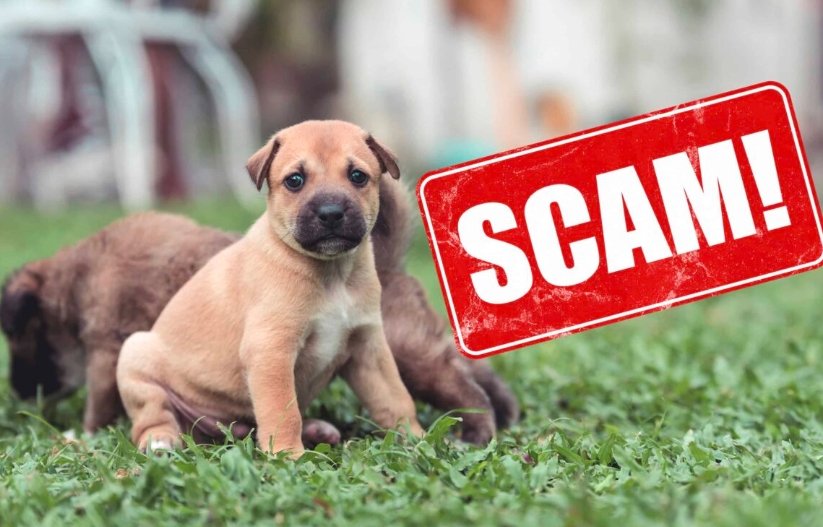
One widespread scam involves fake online ads for pets on social media and websites that look real. Scammers post photos of cute puppies or kittens, often at low prices, to lure buyers into sending money for animals that never arrive.
Another tactic sees fraudsters posing as shelter workers. They call owners of lost pets, claiming the animal needs urgent care and demanding quick payments via wire transfers. Melissa Gibson, community relations manager at Humane Fort Wayne, explains that real shelters never ask for money this way.
Recent cases in Indianapolis show scammers targeting lost pet owners by pretending to be from local humane societies. Victims report losing hundreds or even thousands of dollars before realizing the deception.
In some instances, scammers create elaborate stories about shipping fees or vet bills to extract more cash. This mirrors national trends where popular breeds like French Bulldogs or Golden Retrievers are often featured in fake listings.
How These Scams Work and Why They Succeed
Scammers build trust with professional looking websites or social media profiles. They might use stolen photos from real breeders and promise delivery after payment. Once money changes hands, the scammers vanish, leaving buyers empty handed.
The emotional pull is a key factor. During holidays, people want to surprise loved ones with a pet, making them rush decisions without checking details. In 2025, reports indicate scammers have adapted by using AI generated images to make listings seem more authentic.
Data from the Better Business Bureau shows that pet scam victims lost over $3 million in 2024 alone, with projections for even higher figures this year due to economic pressures. In Indiana, the Board of Animal Health tracks these incidents, noting a 20 percent uptick in complaints compared to last holiday season.
Fraudsters often demand payments through untraceable methods like gift cards or cryptocurrency, which makes recovery tough. This setup exploits the excitement of the season, turning joy into heartbreak for many families.
| Scam Type | Description | Average Loss per Victim |
|---|---|---|
| Fake Online Listings | Scammers advertise non-existent pets on social media or websites, requesting upfront payments. | $500 to $2,000 |
| Lost Pet Impersonation | Calls claiming to have found your pet, demanding money for surgery or return. | $300 to $4,000 |
| Shipping Fee Fraud | Extra charges for “delivery” after initial payment, often for pets that don’t exist. | $200 to $1,500 |
Tips to Stay Safe from Pet Scams
Protect yourself by verifying sellers through trusted sources. Ask for references from veterinarians or friends who have bought pets recently.
Meet sellers in person whenever possible, especially for local deals. Avoid wiring money or using prepaid cards, as these are red flags for scams.
Here are some key steps to follow:
- Research the seller’s reputation on review sites or with local animal groups.
- Insist on video calls to see the pet live, not just photos.
- Report suspicious activity to authorities right away.
If a deal seems too good to be true, it probably is. Humane Fort Wayne stresses that real organizations never pressure for immediate payments over the phone.
By taking these precautions, you can enjoy the holidays without falling into these traps.
What Happens If You Get Scammed
If you suspect a scam, contact the Indiana Attorney General’s office immediately to file a report. They handle consumer complaints and can guide you on next steps.
Local police may also investigate, especially if large sums are involved. In recent events, victims in nearby states like Illinois recovered some funds through quick action and bank disputes.
Nationwide, groups like the Federal Trade Commission track these frauds, with 2025 data showing over 10,000 pet scam reports already. Sharing your story helps prevent others from similar losses.
Broader Impact on Communities
These scams not only hurt individuals but also strain animal shelters. Staff at Humane Fort Wayne spend time debunking false claims, pulling resources from real animal care.
On a larger scale, the rise ties into global trends of online fraud, with experts linking it to economic downturns. In 2025, similar warnings came from states like Texas and California, where holiday pet sales boom.
Communities fight back through education campaigns. For instance, recent webinars by the Better Business Bureau have reached thousands, teaching spot on scam signs.
As the holiday rush builds, staying informed is your best defense. Share this article with friends and family to spread awareness, and drop a comment below if you have encountered similar scams. Your stories could help others avoid these pitfalls.











Spotify Running Mode hits Android and revives its old tempo experiment

Galaxy Tab S12 Ultra Renders Keep the Notch Fans Hate

Novato Spinning Round House Sells With Six Neighbors for $3.3 Million

Crop Tour Finds Indiana and Nebraska Corn Yields Lagging 2025

Best Buy 60th sale brings Android deals back to its roots

American Airlines reverses seatback screen bet years too late

Iran Hormuz Strikes Force Gulf Oil Onto Costlier Paths

Plague Tale Prequel Day One Joins Game Pass Wave 2 as Witcher Exits

NBA 2K27 opens The City to everyone and rewrites career eras

iOS 26.6.1 Patches 29 Flaws as AI Forces Faster Apple Updates

Double Fine Cuts 23 Jobs Weeks After Xbox Independence

John Hight Exits Wizards After Digital Reckoning Hits

Day-One Big Walk Lifts PS Plus August Beyond Recycled AAA

Curtis Mead’s Red Sox Debut Ends With Fractured Wrist

Moesch and Dressel Rewrite Night One at 2026 U.S. Nationals

Red Sox Squander Hot Streak Chance in 4-3 Loss to Athletics

Boutte’s Quiet Camp Takeover Forces Patriots Receiver Choices

Take-Two CEO Pushes Netflix Subs for GTA 6 Extended Look

Halo Campaign Evolved Skulls Meet Death Barriers That Kill the Hunt

Wildlands Free Update Hands Players the Tools They Already Invented
-

 TECHNOLOGY3 years ago
How to Adjust a Bulova Watch Band – An Easy Guide
-

 News3 years ago
Fred Pentland: Athletic Bilbao’s English mentor who changed the essence of Spanish football
-

 FINANCE3 years ago
Tax Planning for Every Season: Guide to Maximizing Your Tax Benefits
-

 Education3 years ago
African Ministers New Education Plan
-

 BUSINESS3 years ago
What is Entrepreneurial Operating System? A Comprehensive Guide to EOS
-

 Education3 years ago
Innovate Your Learning Journey with Technology and Enhance Education
-

 BUSINESS3 years ago
Top 9 Most Expensive American Cities to Rent an Apartment
-

 News3 years ago
Russians formally out of World Athletics Championships