
News
Tina Peters Stays in Colorado Custody

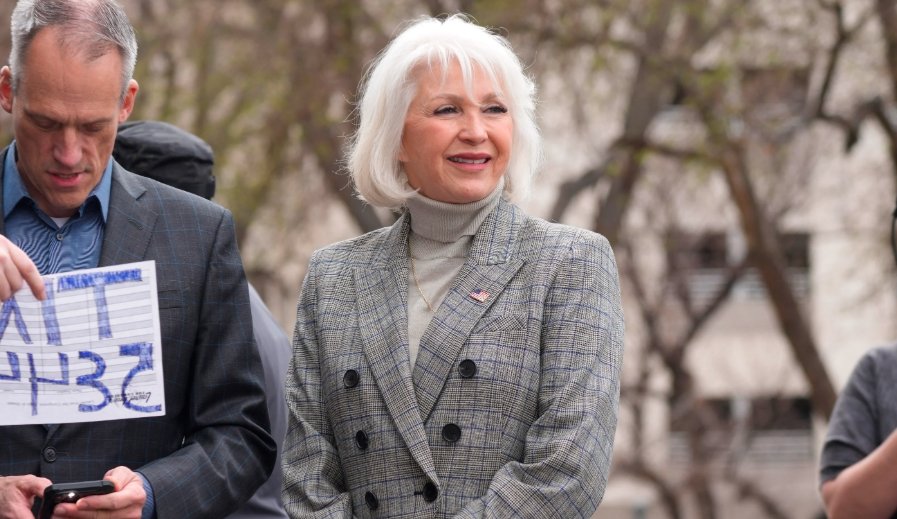
Colorado officials have decided to keep former Mesa County Clerk Tina Peters in state prison, rejecting a federal request to transfer her. This move comes amid growing pressure from both sides of the political aisle, following her conviction for election tampering crimes tied to the 2020 vote.
Background on Tina Peters Case
Tina Peters served as the Mesa County Clerk from 2019 until her removal in 2023. She gained national attention for her claims of widespread election fraud in the 2020 presidential race.
Her troubles started when she allowed unauthorized access to voting machines during a routine update. This led to sensitive data leaking online, sparking a major investigation. Prosecutors said Peters broke the law by tampering with election equipment and misleading officials.
In October 2024, a jury found her guilty on multiple charges. These included attempting to influence a public servant and conspiracy to commit criminal impersonation. She received a nine-year prison sentence, which many saw as a strong message against election interference.
Peters has always maintained her innocence. She argues her actions were meant to protect election integrity, not harm it. Supporters view her as a whistleblower, while critics call her efforts a dangerous attack on democracy.
Federal Push for Custody Transfer
The situation heated up in November 2025 when the incoming Trump administration asked for Peters to move to federal custody. This request came shortly after Donald Trump’s election win, raising questions about political motives.
Officials close to the matter said the Department of Justice wanted the transfer for reasons not fully explained. Some speculate it could lead to a pardon or reduced sentence, given Peters’ ties to election denial circles.
Colorado Governor Jared Polis faced calls from across the spectrum to block the move. Bipartisan groups worried it would undermine state authority and set a bad precedent for handling convicted officials.
The request followed Peters’ public release of a forensic report on Mesa County voting systems. She shared it right after her sentencing, claiming it proved fraud. Experts have debated its findings, but it fueled ongoing debates about election security.
State Officials Resist the Change
Colorado’s Department of Corrections made it clear on November 26, 2025, that they would not comply with the federal ask. They stated the department is not seeking any transfer at this time.
Key figures stepped in to influence the decision. Mesa County District Attorney Dan Rubinstein and Colorado Attorney General Phil Weiser sent a joint letter to Governor Polis. They argued Peters’ crimes directly hurt her community and that moving her would ignore state justice.
The letter highlighted how Peters abused her position as an elected official. It warned that a federal takeover could allow her early release, against the will of Colorado courts.
County clerks from around the state also urged Polis to keep Peters in place. They formed a united front, stressing the need to protect local election processes from outside interference.
Even some Republican leaders joined the pushback. They expressed concerns that favoring Peters could damage trust in the system they aim to fix.
Timeline of Key Events
To better understand the case, here is a simple timeline of major developments:
| Date | Event |
|---|---|
| 2020 | Peters elected as Mesa County Clerk; 2020 election happens amid fraud claims. |
| 2021 | Unauthorized access to voting machines; data leaks online. |
| 2022 | Peters indicted on felony charges; bond revoked for travel violation. |
| 2023 | Guilty verdict on misdemeanor obstruction. |
| October 2024 | Convicted on multiple felonies; sentenced to nine years. |
| November 2025 | Trump admin requests federal custody; Colorado officials reject it. |
This table shows how the case built over years, leading to the current standoff.
Public and Political Reactions
Reactions to the decision split along familiar lines. Supporters of Peters took to social media, calling her a hero for exposing what they see as rigged elections. Posts praised her bravery and demanded her release.
Critics, including election experts, welcomed the state’s firm stance. They argue it upholds the rule of law and prevents politics from overriding court rulings.
Nationwide, the case ties into broader talks about election trust. Recent events, like the 2024 presidential race, have kept these issues in the spotlight. Peters’ situation mirrors other disputes in states like Georgia and Arizona, where officials faced charges for similar actions.
Public sentiment shows a divide. Polls from late 2025 indicate about 40 percent of Americans believe some 2020 fraud occurred, while 60 percent trust the results. This gap keeps fueling debates.
- Key supporter arguments: Peters protected democracy by backing up data before it could be erased.
- Key critic points: Her actions risked secure elections and broke clear laws.
- Neutral views: The case highlights needs for better voting machine safeguards nationwide.
What This Means for the Future
Keeping Peters in state custody could set a precedent for how states handle federal requests in politicized cases. It reinforces Colorado’s control over its justice system, especially for election-related crimes.
Looking ahead, Peters may appeal her conviction or seek other legal options. Her team has hinted at fighting the sentence, claiming bias in the trial.
For election workers, this serves as a reminder of the high stakes involved. With 2026 midterms approaching, officials are pushing for stronger protections against interference.
The decision also spotlights ongoing tensions between state and federal powers under the new administration. Analysts predict more clashes in areas like criminal justice and election oversight.
As this story develops, it raises questions about accountability in a divided nation. Readers, what do you think about Peters’ case? Share your thoughts in the comments and pass this article along to spark discussion.













Judge Strips Google’s Last App Store Friction After Epic Demo

Fold 8 Success Makes Its Dusty Hinge Costlier Than Ever

Silver Lake Workday Talks Test PE Appetite for AI-Hit Software

Wholesale Prices Flat but Wage Lag Keeps Households Squeezed

Teen E-Motos Draw Hells Angels Label and Risk Legal Ebike Gains

Apple’s Siri Pay-Per-Use Plan Rewrites News Licensing Rules

Cramer Calls Cisco Plunge a Buy as AI Orders Surge

Play Points Platinum Quietly Cuts Pixel 11 Prices Again

Quincy Gas Station Sold the $1.04 Billion Powerball Ticket

Microsoft Scraps Failed Copilot Features in Forced App Merge

ZA/UM Lays Off 32 Staff as Zero Parades Wins Reviews, Not Players

EA’s New In-Game Ad Platform Skips the Games That Need It Most

Mortgage Rates Climb to 6.55%, the Highest Level in Nearly a Year

Colby Covington Stuns Tsarukyan as Askren Retires in Tears at RAF 11

Netflix Heads Into Earnings With Its 2022 Playbook Already Spent

Spain’s Diaspora-Rooted Squad Wins Over New York Ahead of the Final

NHL’s Monday Matinee Push Puts Capitals Fans on the Clock

DeChambeau’s Two-Shot Penalty Rewrites the Open’s Weekend Draw

Guardians Rout Twins With Seven Homers, Leave Joe Ryan One Shy of Record

England Beats France 6-4 to Claim World Cup Bronze Medal
-

 TECHNOLOGY3 years ago
How to Adjust a Bulova Watch Band – An Easy Guide
-

 News3 years ago
Fred Pentland: Athletic Bilbao’s English mentor who changed the essence of Spanish football
-

 FINANCE3 years ago
Tax Planning for Every Season: Guide to Maximizing Your Tax Benefits
-

 Education3 years ago
African Ministers New Education Plan
-

 BUSINESS3 years ago
What is Entrepreneurial Operating System? A Comprehensive Guide to EOS
-

 Education3 years ago
Innovate Your Learning Journey with Technology and Enhance Education
-

 News3 years ago
Russians formally out of World Athletics Championships
-

 BUSINESS3 years ago
Top 9 Most Expensive American Cities to Rent an Apartment