
News
Indiana Lawmakers Advance Bill for Tougher Animal Cruelty Penalties

FORT WAYNE, Ind. — A new Indiana bill that would turn most animal abuse cases from misdemeanors into felonies cleared the House this week and is now headed to the Senate.
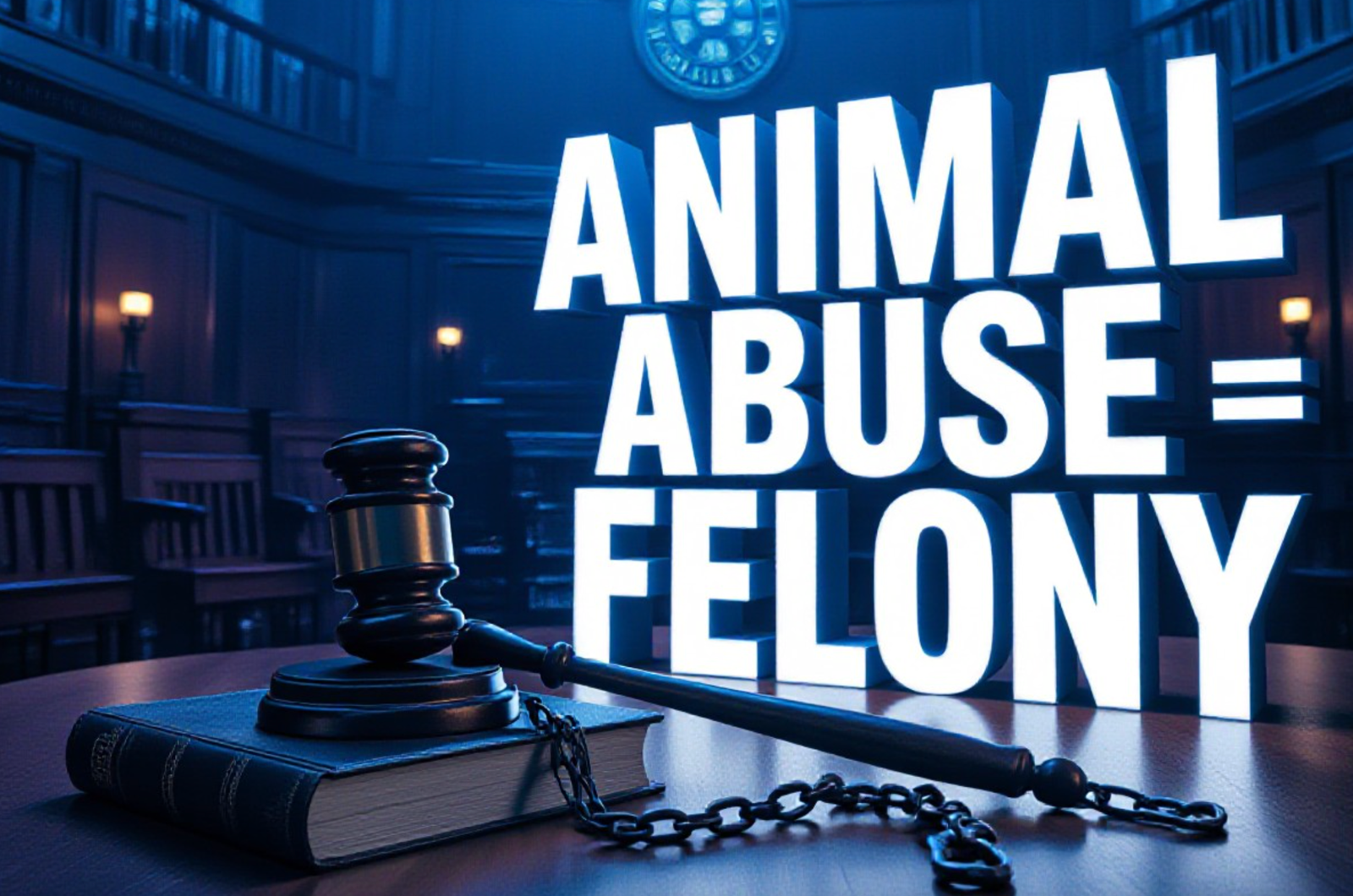
House Bill 1165 would make neglect, beating, torment, or mutilation of dogs, cats, and other vertebrate animals a Level 6 felony on the first offense, with repeat or aggravated cases jumping to Level 5. Lawmakers and animal advocates say the tougher penalties are long overdue.
“We see the worst of the worst every single day,” said Amy-Jo Sites, director of Fort Wayne Animal Care & Control, who testified in support of the bill at the Statehouse. “Right now, many abusers walk away with little more than a slap on the wrist. This bill finally gives us real teeth to protect animals.”
What Exactly Does HB 1165 Change?
Under current Indiana law, a first-time conviction for domestic animal cruelty is typically a Class A misdemeanor — maximum one year in jail and a $5,000 fine, often reduced through plea deals.
HB 1165 flips that script.
- First offense of neglect, abandonment, or cruelty becomes a Level 6 felony: 6 months to 2½ years in prison and up to $10,000 fine.
- Beating, torment, mutilation, or killing without justification becomes a Level 5 felony: 1 to 6 years in prison and up to $10,000 fine.
- Repeat offenders automatically face Level 5 charges.
The bill also writes clear legal definitions for the first time:
- What counts as proper shelter, tethering, and restraint
- What “neglect” and “abandonment” actually mean in court
Sites told lawmakers these definitions will stop abusers from hiding behind vague language in court.
Why Advocates Say the Change Is Urgent
Every year, Indiana animal shelters and law enforcement respond to thousands of cruelty complaints. Fort Wayne Animal Care & Control alone took in more than 300 severely neglected or abused animals in 2024.
In one recent Allen County case, a man starved two dogs nearly to death. He received probation and a $300 fine. Under HB 1165, that same case would carry felony time.
“Probation doesn’t bring justice to the animal who suffered,” Sites said. “Felony convictions do. They also stay on record and stop the same people from adopting or buying animals again.”
The Humane Society of the United States and the Indiana Veterinary Medical Association both back the bill. They point out that 48 states already treat aggravated animal cruelty as a felony. Indiana remains one of the few where first offenses are still routinely misdemeanors.
Where the Bill Stands Right Now
The Indiana House passed HB 1165 on February 10, 2026, by a wide margin. It now moves to the Senate, where a committee hearing is expected early next week.
Republican Rep. Jake Teshka, one of the bill’s authors, said he has received dozens of messages from Hoosiers sharing stories of abused pets and pleading for stronger laws.
“These are our family members,” Teshka said on the House floor. “It’s time Indiana treats animal cruelty with the seriousness it deserves.”
If the Senate approves the bill without major changes, it will go to Governor Mike Braun’s desk before the end of the session.
A Step Toward Real Deterrence
Animal welfare groups believe felony convictions will do more than punish — they will prevent.
Studies show people convicted of animal cruelty are five times more likely to commit violence against humans. Stronger laws, advocates argue, protect both animals and people.
For the thousands of Hoosiers who have opened their hearts and homes to rescue pets, this bill feels like long-overdue justice.
As Amy-Jo Sites put it after her testimony: “Every animal that comes through our doors has already suffered enough. This bill says their pain matters.”
The Senate vote could come as early as next week. Animal lovers across Indiana are watching — and hoping their lawmakers finally speak for those who cannot speak for themselves.
What do you think — is felony-level punishment the right response to animal cruelty? Drop your thoughts in the comments below, and if you’re sharing on social media, use #ProtectIndianaPets so we can keep this conversation going.











Halo Campaign Evolved Skulls Meet Death Barriers That Kill the Hunt

Spotify Running Mode Returns After the 2015 Experiment Failed

Amazon AWS Hits Fastest Growth in Years as AI Spend Pays Off

Amazon Bets Platform Beats Models in the AI Race

Apple C2 Modem Edges Into iPhone 18 Pro After Qualcomm Drop

Google Earth Adds Nano Banana 2 to Reimagine Real Places

Apple Upgrade Turns Phones Into Monthly Utility Bills

Asha Sharma Bets Xbox Growth on Console and Four C’s

MacBook Ultra Design Follows Apple’s Familiar Cascade Path

TAG Heuer Carrera x Team Ikuzawa Revives 1970s Roadmaster Stopwatch DNA

Doom Studio id Software Cuts Half Its Staff in Xbox Layoffs

Nintendo Switch Online Adds Four Classics and One Japan-Only Title

Meta’s Muse Image Lets Anyone Use Your Instagram Photos in AI

Pink Bearista Cup Returns July 13 as Starbucks Pink Vibes Drops

Samsung Sets Galaxy Unpacked for July 22 in London With a Wider Fold

Marine Cloud Brightening Could Weaken Super El Niños, Study Says

US Trade Deficit Jumps to 14-Month High as AI Spending Lifts Imports

Micron Stock Just Entered a Bear Market. Is It Time to Buy?

Samsung’s $1,230 Galaxy Unpacked Deal: How It Stacks Up

Meta Tests ‘Super Sensing’ AI Glasses That Record Every Moment
-

 TECHNOLOGY3 years ago
How to Adjust a Bulova Watch Band – An Easy Guide
-

 News3 years ago
Fred Pentland: Athletic Bilbao’s English mentor who changed the essence of Spanish football
-

 FINANCE3 years ago
Tax Planning for Every Season: Guide to Maximizing Your Tax Benefits
-

 Education3 years ago
African Ministers New Education Plan
-

 BUSINESS3 years ago
What is Entrepreneurial Operating System? A Comprehensive Guide to EOS
-

 Education3 years ago
Innovate Your Learning Journey with Technology and Enhance Education
-

 News3 years ago
Russians formally out of World Athletics Championships
-

 BUSINESS3 years ago
Top 9 Most Expensive American Cities to Rent an Apartment