
News
Colorado’s Disease Detective: Inside the Work of Mesa County Epidemiologist Will Rausch
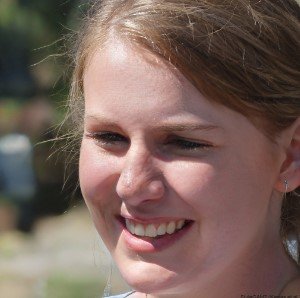
Grand Junction, Colo. – He calls himself a “disease detective,” and every morning Will Rausch starts his shift hunting invisible threats that can make entire communities sick. As Mesa County’s lead epidemiologist since 2021, Rausch tracks down outbreaks before they spiral out of control, one phone call and one data point at a time.
His quiet work has never felt more vital than it does right now.
From Case Reports to Phone Calls: A Typical Day
Rausch opens his laptop each morning and logs into EpiTrax, Colorado’s secure statewide reporting system. The dashboard lights up with new cases: salmonella, shigatoxin-producing E. coli, campylobacter, pertussis, even the occasional hepatitis A.
“Those become my to-do list,” Rausch told KJCT.
He pulls medical records first, scanning for red flags: recent travel, crowded events, restaurant meals, daycare exposure, or sick family members. Then he picks up the phone.
The questions are direct but gentle.
Where have you eaten in the past seven days? Did you swim in any lakes or rivers? Do you know anyone else who’s sick?
“When it’s just one case, we might never find the source,” Rausch explains. “But when a second or third person tests positive for the same bug, patterns jump out fast.”
When Two Cases Become an Outbreak
That exact scenario played out last summer with shigatoxin-producing E. coli in Mesa County. Two unrelated people tested positive within days of each other. Rausch interviewed both and discovered they had eaten at the same local restaurant. Public Health issued an alert, the restaurant cooperated fully, and no additional cases appeared.
Similar stories happen regularly, though most never make headlines.
In 2023 alone, Mesa County Public Health investigated:
- 127 campylobacter cases
- 89 salmonella cases
- 41 pertussis (whooping cough) cases
- Multiple norovirus outbreaks linked to restaurants and long-term care facilities
“Every investigation is a race against the next infection,” Rausch says.
Zip Codes Matter More Than Genetics
One of Rausch’s strongest beliefs is that where you live often predicts your health better than your DNA.
“Access to care, income, transportation, healthy food; all of those things are tied to zip code,” he says.
Mesa County’s own data backs this up. Life expectancy varies by up to twelve years between the wealthiest and poorest neighborhoods in Grand Junction.
The irony isn’t lost on Rausch: Colorado was literally founded as a health destination. In the late 1800s, tuberculosis patients flocked here for the clean air and sunshine. Entire sanatoriums lined the Western Slope.
More than a century later, public health workers like Rausch are still fighting lung diseases, only now it’s RSV, influenza, and COVID instead of TB.
The Human Side of Contact Tracing
People expect epidemiologists to be cold data crunchers. Rausch is anything but.
He spends hours on the phone with worried parents whose kids have whooping cough, elderly residents battling shingles, and young adults stunned by a hepatitis diagnosis.
“I had a mom crying because her baby was in the hospital with RSV,” Rausch recalls. “You have to balance getting the information we need with being human about it.”
Sometimes the job means delivering hard news: your child exposed half the daycare, or your favorite restaurant is the likely source of your illness.
“People are almost always grateful,” he says. “They want to protect others too.”
Why This Work Matters Now More Than Ever
After three exhausting years of COVID, many Americans want to forget pandemics exist. Rausch can’t afford that luxury.
Basic disease surveillance, the kind he does every day, is the foundation that kept COVID from being even worse than it was. Those same systems catch everything else too.
And threats haven’t gone away.
Colorado saw its largest pertussis outbreak in years during 2024. Measles cases are popping up nationwide. Climate change is expanding the range of mosquito-borne diseases like West Nile, which Mesa County battles every summer.
Rausch doesn’t work alone. He collaborates with the state health department, local hospitals, clinics, labs, and even veterinarians (because some diseases jump between animals and people).
“It’s all connected,” he says simply.
Will Rausch may never be famous. He won’t be on magazine covers or morning talk shows.
But every time you eat at a restaurant without getting violently ill, or your kid goes to school without bringing home whooping cough, there’s a decent chance Will Rausch and people like him helped make that happen.
In a state built on the promise of good health, he’s still keeping that promise, one investigation at a time.
What do you think about the unsung heroes working in public health? Drop your thoughts in the comments below.












Geekbench 7 Launches and Erases Three Years of Scores

Google’s Selfie Video Sign-In Arrives as Deepfake Fraud Surges

Samsung’s New Galaxy Z Fold 8 Undercuts Its Own Ultra

Kroger and Brookshire’s Recall Over 19 Million Eggs for Salmonella

Mortgage Rates Hit an 11-Month High as Oil Fears Bite

Oil’s Price Shock Collides With Wall Street’s AI Spending Boom

Parsley and Cilantro Emerge as Cyclospora Suspects in North Carolina

Walmart Dresser Recall Reveals a Wider Furniture Safety Sweep

Apple’s iOS 27 Speed Fixes Echo Its 2018 Playbook

Cheshire Medical Center Cyclospora Cluster Exposes a Wider Outbreak

Pokémon GO Developer Niantic Rebrands as Scopely Explore

Persona 4 Revival Hands All Anime Cutscenes to Studio MAPPA

Doom Studio id Software Cuts Half Its Staff in Xbox Layoffs

Jaylen Brown Traded to 76ers for Paul George and Four Draft Picks

Nintendo Switch Online Adds Four Classics and One Japan-Only Title

Jordan Henderson Hospitalized After Wrist Injury at the Azteca

Mexico’s World Cup Run Ends at Azteca as England Hold On 3-2

Meta’s Muse Image Lets Anyone Use Your Instagram Photos in AI

Louis Vuitton Beats Molly Tea in China, Triggers Cultural Backlash

Marine Cloud Brightening Could Weaken Super El Niños, Study Says
-

 TECHNOLOGY3 years ago
How to Adjust a Bulova Watch Band – An Easy Guide
-

 News3 years ago
Fred Pentland: Athletic Bilbao’s English mentor who changed the essence of Spanish football
-

 FINANCE3 years ago
Tax Planning for Every Season: Guide to Maximizing Your Tax Benefits
-

 Education3 years ago
African Ministers New Education Plan
-

 BUSINESS3 years ago
What is Entrepreneurial Operating System? A Comprehensive Guide to EOS
-

 Education3 years ago
Innovate Your Learning Journey with Technology and Enhance Education
-

 News3 years ago
Russians formally out of World Athletics Championships
-

 BUSINESS3 years ago
Top 9 Most Expensive American Cities to Rent an Apartment