
News
Brothers Sound Alarm on Antifreeze Danger After Beloved Cat Dies in Orchard Mesa

ORCHARD MESA, Colo. — A tuna can filled with deadly antifreeze left in a backyard has claimed the life of a three-year-old cat named Herman and left his Grand Junction area family devastated and furious.
Sawyer and Sean Blumhardt say someone deliberately placed the poison in their yard, and they fear other pets in the neighborhood could be next.
Herman’s Sudden and Heartbreaking Death
The nightmare began in February when the brothers’ 12-year-old dog Roman started vomiting violently and stumbling around the house.
Five days later, Herman showed the same terrifying symptoms.
“He was just neurologically gone,” Sean Blumhardt told KJCT. “Could not walk, could not think, just completely out of it.”
Roman pulled through after emergency vet care. Herman did not make it through the night.
A simple urine test at the vet confirmed the worst: ethylene glycol poisoning, the main ingredient in most antifreeze.
The brothers say they have never used antifreeze on their property and keep all chemicals locked away.
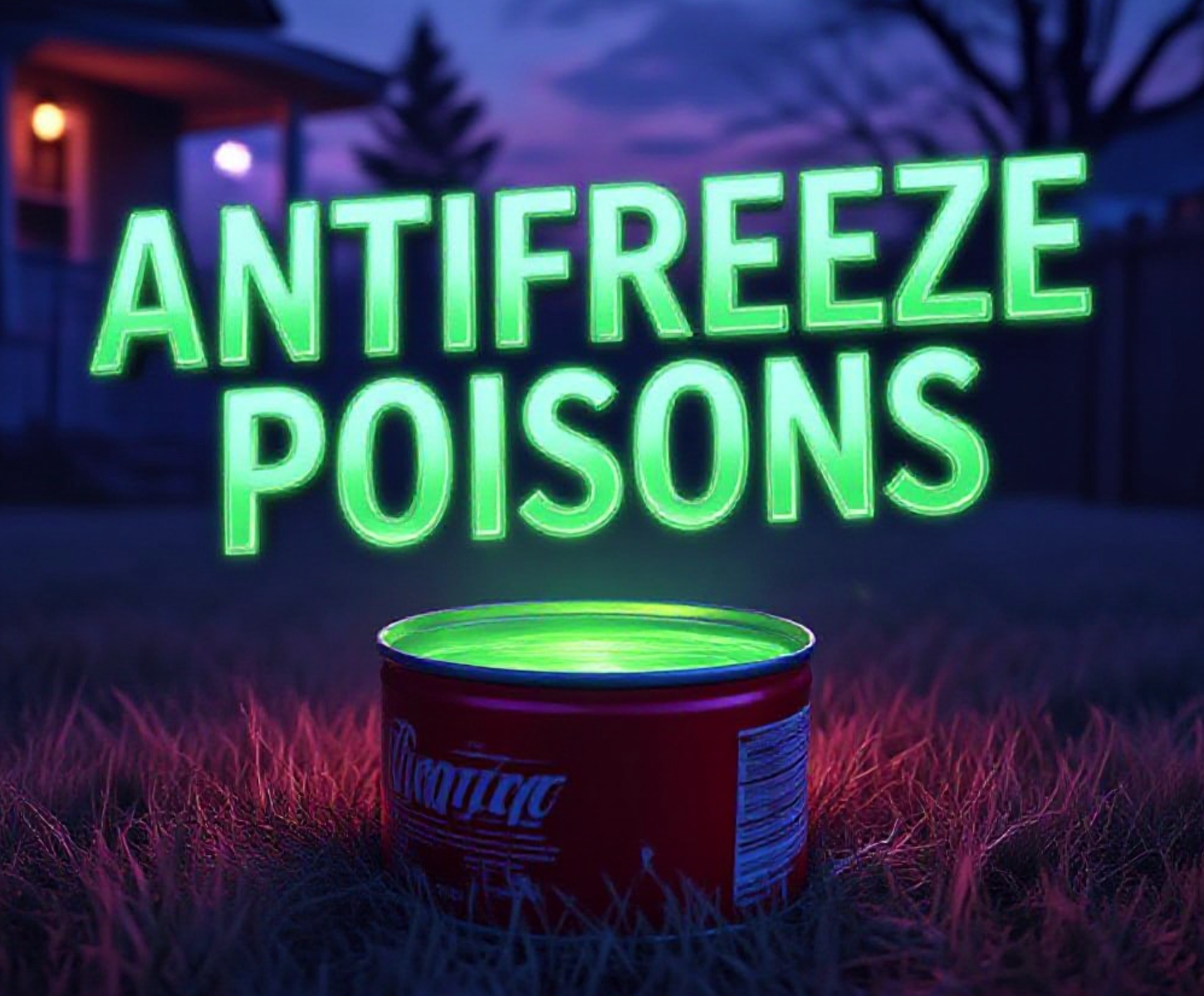
The Chilling Discovery in Their Own Yard
Days after burying Herman, the brothers walked their yard looking for answers.
That’s when they spotted it: a shallow plastic tuna can tucked near the fence.
“It clearly didn’t belong here,” Sawyer said. “Wind couldn’t have blown it here with liquid still in it.”
They sent samples to a lab. Both the liquid straight from the dish and a mixture diluted with tap water tested positive for ethylene glycol.
The placement of the dish, they say, leaves little doubt this was intentional.
A Neighborhood on Edge
The Blumhardts have now learned they are not alone.
One neighbor reported two cats went missing in the past six months. One was later found unresponsive in their front yard and did not survive.
Another neighbor mentioned a dog that became suddenly ill under similar circumstances.
“This isn’t an accident,” Sean said. “Someone is putting this stuff out on purpose.”
The Mesa County Sheriff’s Office confirmed it received the report but told the family there is no active investigation at this time.
Why Antifreeze Is So Deadly to Pets
Ethylene glycol tastes sweet, which makes it dangerously attractive to dogs and cats.
Once ingested, it quickly causes drunken-like stumbling, vomiting, seizures, and rapid kidney failure.
Vets say the window to save a pet is brutally short.
“You really only have one to two hours after they drink it,” Sean explained, his voice cracking. “By the time you notice something is wrong, it’s usually too late.”
Even with immediate treatment using antidotes like fomepizole or IV ethanol therapy, the survival rate drops sharply after the first few hours.
What Residents Can Do Right Now
The brothers are urging every pet owner in the Grand Valley to take these steps immediately:
- Keep dogs on leash and cats indoors, especially at night
- Walk your yard daily looking for anything unusual (dishes, containers, puddles of sweet-smelling liquid)
- Install security cameras that cover all sides of your property
- Switch to propylene glycol-based antifreeze (pet-safe versions are widely available and often labeled “pet friendly” or “non-toxic”)
- If your pet shows sudden vomiting, wobbliness, or lethargy, get to an emergency vet instantly and tell them you suspect antifreeze
The Blumhardts have set up a GoFundMe to help cover Roman’s extensive vet bills. Any money left over will go to local animal shelters to help other pets in crisis.
They have also brought their remaining animals, Roman, Breezy, and Caspurr, strictly indoors until the person responsible is caught.
“This pain doesn’t go away,” Sawyer said quietly. “You lose a piece of your family, and then you find out someone did it on purpose. We’re angry, we’re heartbroken, and we’re not going to be quiet about it.”
The brothers just want Herman’s death to save other pets.
If you live in Orchard Mesa or anywhere in the Grand Valley, check your yard tonight.
One small dish of poison is all it takes to destroy a family.










Redmi Battery Monsters Win the Week as Samsung Trims S27 Cameras

Moto G Max India Bet Puts 7000mAh Battery Ahead of Specs

Take-Two CEO Pushes Netflix Subs for GTA 6 Extended Look

Google Bets Tensor G6 Efficiency Fixes Pixel’s Old Flaws

Grok Image 2.0 Adds Pro Edits While Scandals Linger

Caviar Leather iPhone 18 Pro Editions Kill Wireless Charging for Status

Quordle Monday Delivers Gavel Crush Speed Ethos Cleanly

Goldmund Telos 9800 Mono Amp Costs More Than Most Ferraris

Gemini Plan Dropped the Race and Made Running Stick

Cloudflare Kitesurf Cracks Chromium Moat for AI Agents

SpaceX Preps Starship Flight 13 to Fix Its Booster Failure

PS5 Adds a Weekly Wrap-Up Widget While Recently Played Stays Broken

Tears of the Kingdom Fans Trap Ganondorf in a Never-Ending Hamster Wheel

ZA/UM Lays Off 32 Staff as Zero Parades Wins Reviews, Not Players

EA’s New In-Game Ad Platform Skips the Games That Need It Most

Wall Street’s SpaceX and Merger Fee Boom Comes With a Catch

Colorado’s New Law Makes Automakers Own Dead EV Batteries

Pentagon Suspends CMMC Phase 2, Relieving Small Firms, Straining Assessors

Mortgage Rates Climb to 6.55%, the Highest Level in Nearly a Year

Perseid Meteor Shower Begins This Week Under a Rare Earthshine Moon
-

 TECHNOLOGY3 years ago
How to Adjust a Bulova Watch Band – An Easy Guide
-

 News3 years ago
Fred Pentland: Athletic Bilbao’s English mentor who changed the essence of Spanish football
-

 FINANCE3 years ago
Tax Planning for Every Season: Guide to Maximizing Your Tax Benefits
-

 Education3 years ago
African Ministers New Education Plan
-

 BUSINESS3 years ago
What is Entrepreneurial Operating System? A Comprehensive Guide to EOS
-

 Education3 years ago
Innovate Your Learning Journey with Technology and Enhance Education
-

 BUSINESS3 years ago
Top 9 Most Expensive American Cities to Rent an Apartment
-

 News3 years ago
Russians formally out of World Athletics Championships