
News
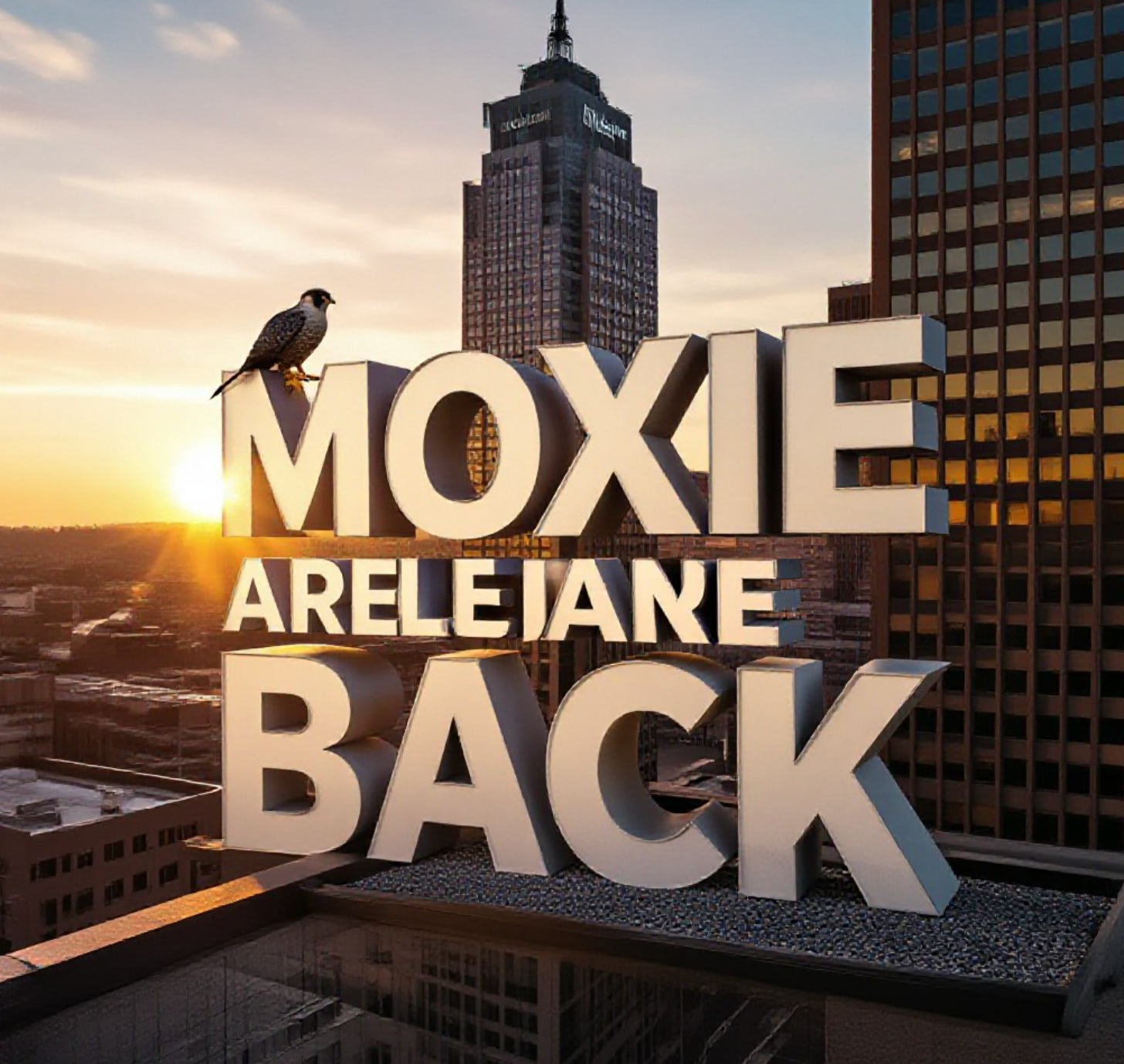
Beloved Peregrine Falcons Moxie and Jamie Return to Fort Wayne Nest

FORT WAYNE, Ind. — Downtown Fort Wayne’s most famous power couple is back home.
Fifteen-year-old Moxie and her 16-year-old mate Jamie landed on the Indiana Michigan Power Center building this week and immediately started scraping out their traditional nest bowl in the gravel tray atop the 27th floor. Wildlife experts say the elderly pair could lay their first egg in just two to three weeks.
This marks the latest chapter in one of America’s longest-running urban falcon success stories.
The Oldest Active Pair in the Midwest
Moxie and Jamie are now considered senior citizens in peregrine years, yet they continue to defy the odds.
Most wild peregrine falcons live 10 to 15 years. This pair has already blown past that average and shows no signs of slowing down.
“They are the oldest known breeding pair in the entire Midwest region,” said John Castrale, retired Indiana DNR nongame bird biologist who has monitored the Fort Wayne nest since the 1990s. “Sixteen successful years for Jamie and fifteen for Moxie is extraordinary.”
The couple raised one chick last year — a healthy female later named Fern who fledged successfully in June.
Thirty Years of Babies on the Building
The Fort Wayne nest box has been occupied almost every year since 1993.
More than 75 peregrine chicks have hatched on the ledge of what is now the Indiana Michigan Power Center, making it one of the most productive urban nest sites in North America.
The first pair arrived after the species was removed from the federal endangered list in 1999, drawn to the tall building that mimics their natural cliff habitat.
Since then, the site has produced generation after generation of peregrines that now hunt across northeast Indiana and northwest Ohio.
Key numbers from three decades at the I&M building:
- Total chicks hatched: 76 (as of spring 2025)
- Successful fledges: 72
- Chicks banded: All 76
- Oldest known parent before Jamie: 14 years
Why This Nest Works So Well
Peregrines need three things: height, open hunting ground, and safety.
The I&M building delivers all three.
At 442 feet, it towers over downtown and gives the falcons a perfect launch point for their legendary high-speed dives. The Grand Wayne Center roof across the street provides additional perching spots, while the nearby rivers supply plenty of pigeons and starlings — their favorite meals.
Natural predators can’t reach the 27th-floor ledge. Storms rarely bother them. And the heated nest box installed years ago protects eggs during cold March nights.
“It’s basically peregrine paradise in the middle of a city,” laughed Paloma Ramirez, education director at Soarin’ Hawk Raptor Rehab.
How You Can Watch the Action Live
The Indiana Michigan Power Falcon Cam is already streaming 24/7.
Two cameras give viewers different angles — one inside the nest box and one looking down on the tray from above.
Thousands of people worldwide tune in each spring to watch courtship, egg-laying, incubation, hatching, and those heart-stopping first flights.
Last year’s livestream peaked at more than 8,000 simultaneous viewers during Fern’s fledging week.
You can watch right now at the Soarin’ Hawk website or through the 21Alive app.
The falcons usually lay between two and four eggs. Incubation lasts about 33 days. Chicks grow flight feathers in six weeks and take their first flights in late May or early June.
Wildlife experts remind everyone to keep their distance from the building. The falcons are protected by state and federal laws, and disturbing them can lead to fines.
Three decades ago, seeing a peregrine falcon in Indiana was cause for celebration.
Today, thanks in large part to urban nests like Fort Wayne’s, the species is thriving across the state with more than 100 known breeding pairs.
Every time Moxie and Jamie return, scrape their bowl, and raise another family high above the city streets, they remind us how far these incredible birds have come — and how a little human help can make all the difference.
Drop your thoughts below: Will Moxie and Jamie pull off another successful season at their age? Rooting for four eggs this year?











Halo Campaign Evolved Skulls Meet Death Barriers That Kill the Hunt

Spotify Running Mode Returns After the 2015 Experiment Failed

Amazon AWS Hits Fastest Growth in Years as AI Spend Pays Off

Amazon Bets Platform Beats Models in the AI Race

Apple C2 Modem Edges Into iPhone 18 Pro After Qualcomm Drop

Google Earth Adds Nano Banana 2 to Reimagine Real Places

Apple Upgrade Turns Phones Into Monthly Utility Bills

Asha Sharma Bets Xbox Growth on Console and Four C’s

MacBook Ultra Design Follows Apple’s Familiar Cascade Path

TAG Heuer Carrera x Team Ikuzawa Revives 1970s Roadmaster Stopwatch DNA

Pokémon GO Developer Niantic Rebrands as Scopely Explore

Jaylen Brown Traded to 76ers for Paul George and Four Draft Picks

Doom Studio id Software Cuts Half Its Staff in Xbox Layoffs

Nintendo Switch Online Adds Four Classics and One Japan-Only Title

Jordan Henderson Hospitalized After Wrist Injury at the Azteca

Mexico’s World Cup Run Ends at Azteca as England Hold On 3-2

Meta’s Muse Image Lets Anyone Use Your Instagram Photos in AI

Louis Vuitton Beats Molly Tea in China, Triggers Cultural Backlash

Pink Bearista Cup Returns July 13 as Starbucks Pink Vibes Drops

Samsung Sets Galaxy Unpacked for July 22 in London With a Wider Fold
-

 TECHNOLOGY3 years ago
How to Adjust a Bulova Watch Band – An Easy Guide
-

 News3 years ago
Fred Pentland: Athletic Bilbao’s English mentor who changed the essence of Spanish football
-

 FINANCE3 years ago
Tax Planning for Every Season: Guide to Maximizing Your Tax Benefits
-

 Education3 years ago
African Ministers New Education Plan
-

 BUSINESS3 years ago
What is Entrepreneurial Operating System? A Comprehensive Guide to EOS
-

 Education3 years ago
Innovate Your Learning Journey with Technology and Enhance Education
-

 News3 years ago
Russians formally out of World Athletics Championships
-

 BUSINESS3 years ago
Top 9 Most Expensive American Cities to Rent an Apartment