
News
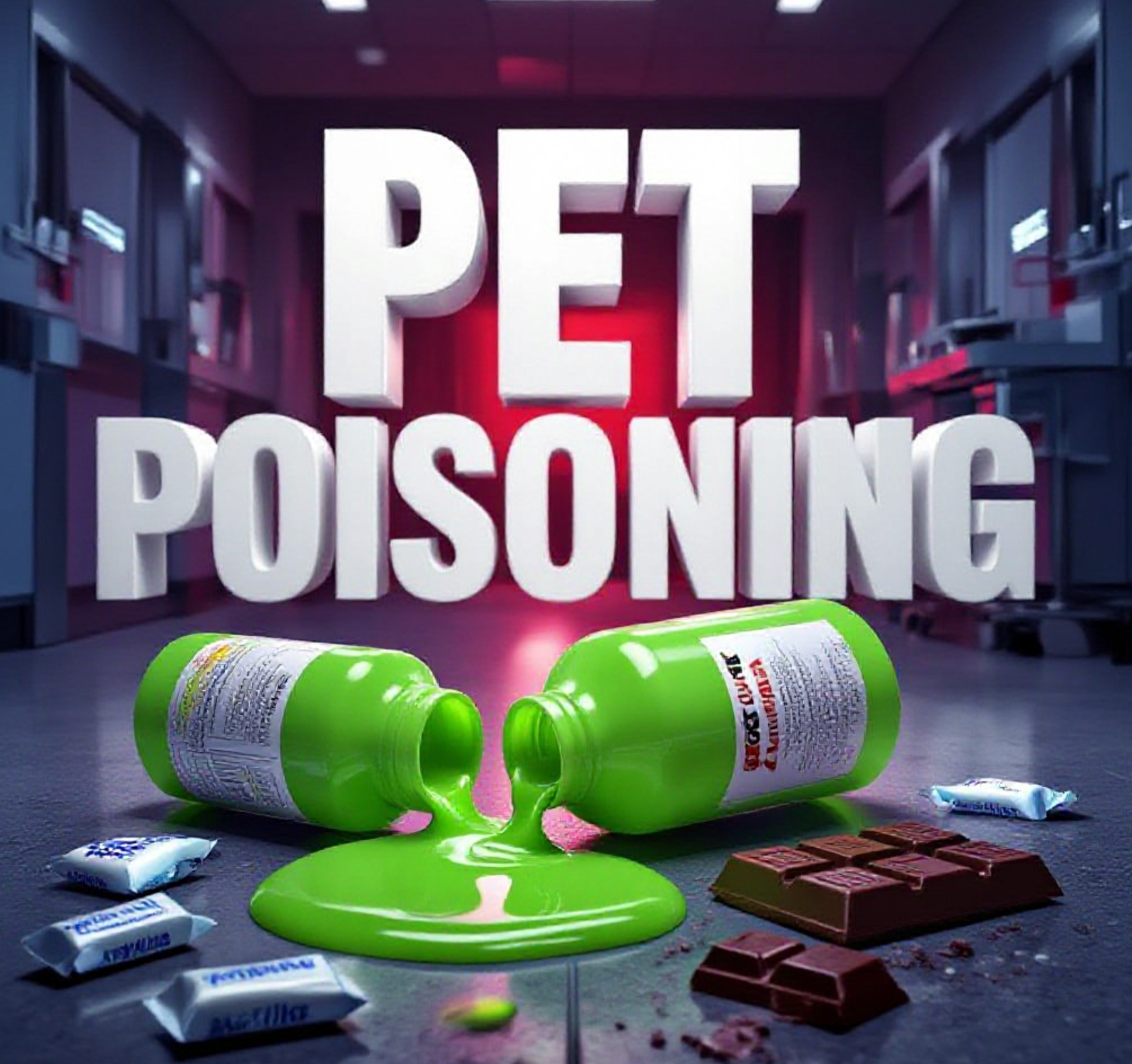
Pet Poisoning Emergencies Surge: Spot the Signs Before It’s Too Late

Grand Junction, Colo. — Local veterinarians are sounding the alarm as pet poisoning cases spike, especially during the holiday season when homes fill with dangerous foods, plants, and chemicals. One Mesa County vet says these emergencies happen far more often than most owners realize, and the window to save a dog or cat can close in just hours.
Early detection is the difference between life and death, experts stress.
Thad Respet, DVM, owner of Sky Canyon Veterinary Hospital in Grand Junction, treats multiple poisoning cases every month. “We see everything from antifreeze to sugar-free gum,” he told KJCT. “Households with pets need to be treated exactly like homes with toddlers. Anything that can hurt a crawling baby can kill your dog or cat.”
The Most Common Killers Hiding in Plain Sight
The ASPCA Animal Poison Control Center handled 213,763 toxic substance cases in 2023 alone, and 2024 numbers are on pace to match or exceed that total.
Here are the top offenders right now:
- Human medications (ibuprofen, acetaminophen, antidepressants) – still #1
- Xylitol (found in sugar-free gum, toothpaste, peanut butter) – cases up 15% year-over-year
- Chocolate – especially dark and baking chocolate during holidays
- Grapes and raisins – even small amounts can cause sudden kidney failure in dogs
- Lilies – a single bite can shut down a cat’s kidneys within 24-48 hours
- Antifreeze – sweet taste makes it irresistible; death can occur in under 36 hours
- Rodenticides (rat bait) – increasingly common as mice move indoors for winter
- Onions, garlic, chives – destroy red blood cells, especially dangerous in powder form (think seasoning packets)
Warning Signs Every Pet Owner Must Recognize Immediately
Pets cannot tell you they feel sick. By the time they show obvious symptoms, the toxin may have already caused serious organ damage.
Act drunk, wobbly, or suddenly lethargic? That is a five-alarm emergency.
Dr. Respet explains the classic antifreeze presentation owners still miss: “Within 30 minutes to a couple hours, the pet looks intoxicated. They stumble, act confused, may vomit, and then seem to improve. That false recovery tricks people into waiting. By the time they crash again, it’s often too late.”
Other red flags include:
- Excessive drooling or foaming at the mouth
- Repeated vomiting or diarrhea (especially with blood)
- Seizures or tremors
- Pale or brick-red gums
- Sudden collapse or extreme weakness
- Refusal to eat combined with abdominal pain
- Increased thirst and urination (early grape/raisin or antifreeze sign)
- Bleeding from nose, mouth, or in stool (rodenticide)
Cats show subtler signs at first: hiding more, drooling, or vocalizing in pain. Any behavior change that feels “off” deserves an immediate call to your vet.
What to Do the Moment You Suspect Poisoning
Do NOT wait to see if they get better. Call your veterinarian or the ASPCA Animal Poison Control Center (888-426-4435) or Pet Poison Helpline (855-764-7661) right now. Both hotlines charge a fee but can save you thousands in treatment costs by guiding you correctly in the first critical minutes.
Have this information ready:
- Your pet’s weight and species
- What they may have eaten and roughly how much
- When exposure likely happened
- Symptoms you are seeing now
Do NOT induce vomiting unless specifically instructed by a professional. Some substances (bleach, drain cleaner, batteries) cause more damage coming back up.
Prevention: Simple Habits That Save Lives
Treat your home like a toddler lives there. That one mindset shift prevents most tragedies.
- Store all medications in high cabinets with child-proof locks
- Never leave gum, mints, or sugar-free products on counters or in purses
- Keep garbage secured – dogs will eat onion powder packets, coffee grounds, anything
- Use pet-safe antifreeze (propylene glycol-based) in vehicles
- Ban lilies from the house if you own cats
- Read labels – many “sugar-free” human foods now contain xylitol
- Lock up rodenticides or switch to snap traps
One piece of sugar-free gum can kill a 20-pound dog. That statistic alone should make every owner double-check pockets and purses.
Dr. Respet’s final plea to western Colorado pet owners is simple: “When in doubt, call us. I would rather see ten worried owners whose pets are fine than one who waited too long.”
Your dog or cat depends on you to be their voice. Learn these signs, secure your home, and never hesitate to seek help. Their life may depend on the next five minutes.
What scares you most about pet poisoning risks in your own home? Drop your thoughts in the comments and tag a fellow pet parent who needs to see this.













Boutte’s Quiet Camp Takeover Forces Patriots Receiver Choices

Red Sox Squander Hot Streak Chance in 4-3 Loss to Athletics

Moesch and Dressel Rewrite Night One at 2026 U.S. Nationals

Curtis Mead’s Red Sox Debut Ends With Fractured Wrist

Musango Dinosaur Shows Zimbabwe Hosted Its Own Triassic World

Red Cross Rations Type O as Second National Blood Crisis Hits

eBay Ex-CEO Funds Free Speech Charity After Steiner Settlement

Kospi Drops 6% as Chip Concentration and Leverage Amplify Miss

US Ban Locks Out New Chinese Humanoid Robots and Hands Home Makers the Field

Florida’s $800 Million Mega Millions Win Shrinks Fast After Tax

Pokémon GO Developer Niantic Rebrands as Scopely Explore

Persona 4 Revival Hands All Anime Cutscenes to Studio MAPPA

Jaylen Brown Traded to 76ers for Paul George and Four Draft Picks

Doom Studio id Software Cuts Half Its Staff in Xbox Layoffs

Nintendo Switch Online Adds Four Classics and One Japan-Only Title

Jordan Henderson Hospitalized After Wrist Injury at the Azteca

Mexico’s World Cup Run Ends at Azteca as England Hold On 3-2

Meta’s Muse Image Lets Anyone Use Your Instagram Photos in AI

Louis Vuitton Beats Molly Tea in China, Triggers Cultural Backlash

Pink Bearista Cup Returns July 13 as Starbucks Pink Vibes Drops
-

 TECHNOLOGY3 years ago
How to Adjust a Bulova Watch Band – An Easy Guide
-

 News3 years ago
Fred Pentland: Athletic Bilbao’s English mentor who changed the essence of Spanish football
-

 FINANCE3 years ago
Tax Planning for Every Season: Guide to Maximizing Your Tax Benefits
-

 Education3 years ago
African Ministers New Education Plan
-

 BUSINESS3 years ago
What is Entrepreneurial Operating System? A Comprehensive Guide to EOS
-

 Education3 years ago
Innovate Your Learning Journey with Technology and Enhance Education
-

 News3 years ago
Russians formally out of World Athletics Championships
-

 BUSINESS3 years ago
Top 9 Most Expensive American Cities to Rent an Apartment