
News
Grand Junction Approves CMU Football Facility at Lincoln Park

Grand Junction City Council voted to lease Lincoln Park land to Colorado Mesa University for a new football complex, ending six years of negotiations while sparking heated debate over public access and historic preservation. The deal, approved Wednesday night, will transform the iconic park space and relocate over 130 student athletes from campus.
Years of Negotiation Culminate in Controversial Approval
The resolution allowing Colorado Mesa University to build a football facility at Lincoln Park passed after what CMU President John Marshall described as seven months of intense negotiations. The deal represents the longest running conversation between the city and university in recent memory.
CMU will lease public park land to construct training facilities while taking control of the historic Lincoln Park Barn. The university committed approximately $1 million to renovate the aging structure, which the city had planned to close for recreational use before lease discussions began.
Mayor Cody Kennedy emphasized that the agreement protects community interests despite transferring control of public assets. The lease guarantees continued access for Mesa County Junior College, District 51 schools, and other local users.
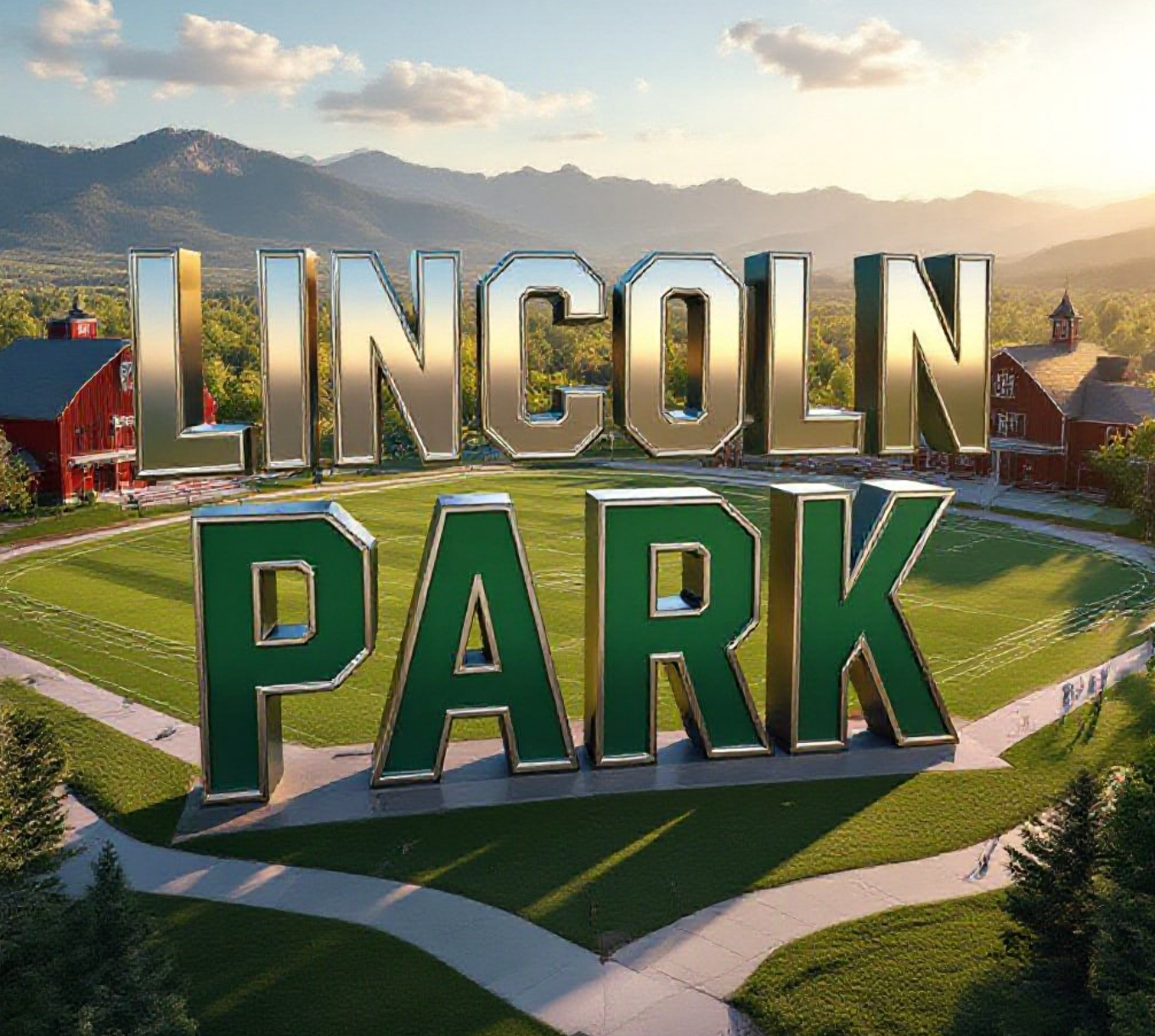
Lincoln Park Barn Preservation Sparks Community Debate
Community members packed Wednesday’s council meeting, with roughly 100 residents attending to voice opinions on the controversial lease. The fate of Lincoln Park Barn emerged as the most contentious issue.
Kennedy revealed that CMU initially requested permission to demolish the historic structure entirely. That proposal faced immediate pushback from Grand Junction residents who view the barn as a community landmark.
The final agreement requires CMU to invest heavily in barn restoration and maintenance. Kennedy framed this as a victory for preservation, noting the city had neglected the building for years and lacked funds for necessary upgrades.
Several residents raised concerns about losing yoga classes and other recreational programming currently hosted near Lincoln Park. Marshall offered to relocate those activities to CMU facilities within walking distance, though specific details remain unclear.
Financial Benefits Drive City’s Decision
City officials justified the lease by highlighting significant cost savings and infrastructure improvements. Kennedy said Grand Junction will save over $300,000 annually in facility maintenance costs once CMU assumes responsibility.
The university’s capital investment in city property will remain municipal assets even after the lease term expires. This arrangement allows Grand Junction to upgrade aging park infrastructure without tapping strained city budgets.
Key Financial Details:
- CMU invests approximately $1 million in Lincoln Park Barn restoration
- City saves $300,000+ yearly in maintenance costs
- All improvements become city property
- Shared access preserved for local schools and organizations
Marshall explained the move solves critical space constraints at CMU’s Maverick Center. Relocating 130 football players to Lincoln Park will free campus facilities for other athletic programs and improve training conditions across all sports.
What Happens Next for Stoker Stadium Project
City and university leaders confirmed that design planning represents the immediate next step before construction begins. Neither Kennedy nor Marshall provided specific timelines for breaking ground or completing the football facility.
The lease agreement maintains public access provisions, though exact scheduling details for shared use have not been finalized. Questions remain about how CMU will balance student athlete training needs with community programming commitments.
District 51 and Mesa County Junior College will continue using Lincoln Park facilities under the new arrangement. The deal ensures local high school and junior college teams retain access to fields and training spaces despite CMU’s expanded presence.
The partnership between Grand Junction and Colorado Mesa University reshapes how the city manages public recreational assets while addressing the university’s growth needs. As design plans move forward, community members will watch closely to ensure promised access and preservation commitments become reality. What do you think about using public park land for university athletic facilities? Share your thoughts in the comments below.










Spotify Running Mode hits Android and revives its old tempo experiment

Galaxy Tab S12 Ultra Renders Keep the Notch Fans Hate

Novato Spinning Round House Sells With Six Neighbors for $3.3 Million

Crop Tour Finds Indiana and Nebraska Corn Yields Lagging 2025

Best Buy 60th sale brings Android deals back to its roots

American Airlines reverses seatback screen bet years too late

Iran Hormuz Strikes Force Gulf Oil Onto Costlier Paths

Plague Tale Prequel Day One Joins Game Pass Wave 2 as Witcher Exits

NBA 2K27 opens The City to everyone and rewrites career eras

iOS 26.6.1 Patches 29 Flaws as AI Forces Faster Apple Updates

Double Fine Cuts 23 Jobs Weeks After Xbox Independence

Day-One Big Walk Lifts PS Plus August Beyond Recycled AAA

John Hight Exits Wizards After Digital Reckoning Hits

Curtis Mead’s Red Sox Debut Ends With Fractured Wrist

Red Sox Squander Hot Streak Chance in 4-3 Loss to Athletics

Moesch and Dressel Rewrite Night One at 2026 U.S. Nationals

Boutte’s Quiet Camp Takeover Forces Patriots Receiver Choices

Take-Two CEO Pushes Netflix Subs for GTA 6 Extended Look

Halo Campaign Evolved Skulls Meet Death Barriers That Kill the Hunt

Wildlands Free Update Hands Players the Tools They Already Invented
-

 TECHNOLOGY3 years ago
How to Adjust a Bulova Watch Band – An Easy Guide
-

 News3 years ago
Fred Pentland: Athletic Bilbao’s English mentor who changed the essence of Spanish football
-

 FINANCE3 years ago
Tax Planning for Every Season: Guide to Maximizing Your Tax Benefits
-

 Education3 years ago
African Ministers New Education Plan
-

 BUSINESS3 years ago
What is Entrepreneurial Operating System? A Comprehensive Guide to EOS
-

 Education3 years ago
Innovate Your Learning Journey with Technology and Enhance Education
-

 News3 years ago
Russians formally out of World Athletics Championships
-

 BUSINESS3 years ago
Top 9 Most Expensive American Cities to Rent an Apartment