
News
Trine University Engineering Students Restore Gulf War Veteran’s Archery Passion With Custom Device
ANGOLA, Ind. — For Gulf War veteran Chester Evitt, the simple joy of drawing a bowstring seemed lost forever after a combat injury shattered his left arm. But today, thanks to the ingenuity of four Trine University engineering students, Evitt isn’t just holding a bow again—he’s aiming for the bullseye.
A Passion Stolen by War
Archery was more than a hobby for Evitt; it was a sanctuary he discovered at eight years old. However, his service in the Gulf War changed everything when a gunshot wound severely compromised his left arm. The situation deteriorated three years ago when a second injury rendered the limb nearly useless for the physical demands of archery.
“Because I’ve lost most of the use of my left arm, I can’t hold anything in it. I can’t shoot my bow,” Evitt explained, describing the void left in his life. The physical limitation created a mental barrier, stripping him of a lifelong passion that many veterans use to find peace after service.
Desperate for a solution, Evitt confided in his doctor at the Veterans Affairs (VA) hospital in Montana. That single conversation sparked a chain reaction, connecting him with Project S.E.R.V.E., an organization dedicated to improving the lives of veterans through student-led engineering solutions.
Bridging the Distance
The project landed in the hands of four biomedical engineering seniors at Trine University: Ava Dobbins, Cooper Clark, Andrea Mendoza, and Jake Welker.
The challenge was unique. Not only did they need to build a complex mechanical support system, but they also had to do it remotely. For months, the team collaborated with Evitt via video calls—he in Montana, they in Indiana—to understand his specific biomechanical limitations.
“It really needs to just hold it up for him and kind of be that skeleton that he can’t,” said team member Jake Welker.
For Welker, the mission was personal. “The military runs very deep in my family, like most people from the Midwest, and it means a lot to me,” he added.
Key Challenges the Team Faced:
- Remote Engineering: Designing a custom fit without being in the same room.
- Weight Distribution: Ensuring the device supported the bow without straining Evitt’s back.
- Stability: Creating a rigid structure that could withstand the tension of a drawn bow.
Engineering Freedom
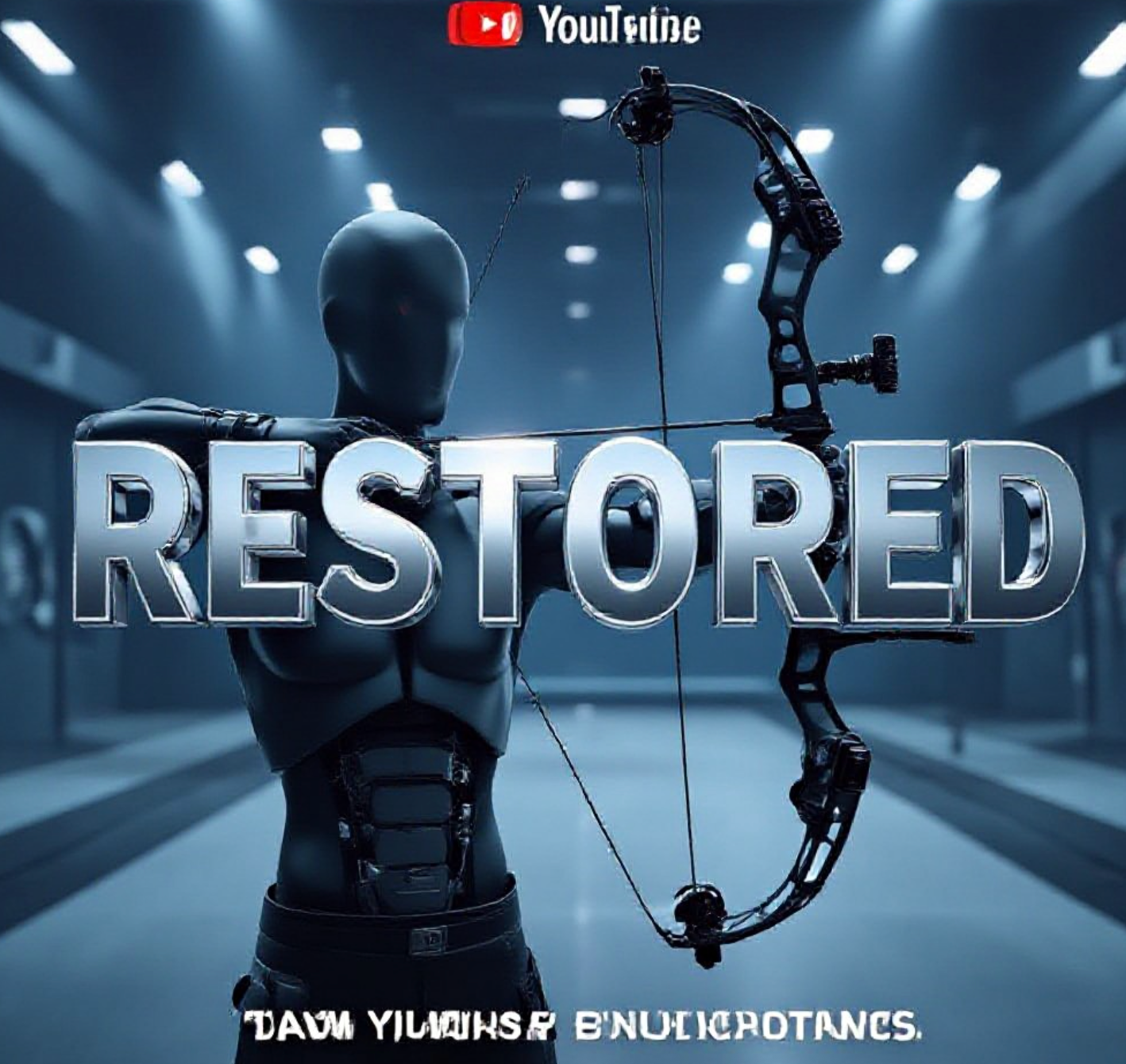
After multiple iterations and digital blueprints, the team finalized a design centered on a 3D-printed exo-skeleton.
The device attaches securely to Evitt’s torso, acting as a surrogate arm. It anchors the bow in a fixed position, allowing Evitt to use his functional right arm to draw the string and aim. The engineering creates a stable platform that bypasses the damaged muscles and nerves in his left arm entirely.
This week, the digital designs became reality. Evitt flew from Montana to Angola for the final fitting at Thunder Lakes Guns Ammo and Archery. It was the first time the veteran met the students who had spent their senior year working to restore his dream.
Hitting the Target
The atmosphere at the archery range was electric as Evitt strapped into the device. As he nocked an arrow and drew back, the device held firm. He released. The arrow flew.
“Oh my goodness,” Evitt exclaimed, his voice thick with emotion. “Life-changing. They’re giving me back something that was took from me.”
The successful test wasn’t just a technical victory; it was a restoration of identity. Evitt, a father of four, expressed deep admiration for the students, calling them a “prime example of our future” amidst a world often focused on negativity.
With the device proving successful, the team has eight weeks to make minor adjustments before their formal senior design presentation. Once completed, Evitt plans to take the device home to Montana, where he hopes to train for the Disabled Veterans Olympics, a goal that seemed impossible just a few months ago.
In a world where technology often feels impersonal, this collaboration between a veteran and four students proves that engineering’s greatest power lies in its ability to heal the human spirit.
What do you think about this student invention? Share your thoughts in the comments below! If this story inspired you, share it on X (formerly Twitter) or Instagram using #TechForVets to support student innovation for our heroes.











Walmart’s $50 Million Opioid Settlement Closes Case Without Admission

California Sues Over $120 Million Morro Bay Wind Lease Buyout

Gilead Bixlenvo FDA Nod Opens Single Pill Path for Complex HIV Cases

Meta’s $18B Kids Deal Forever Shields Data Used to Spot Under-13s

Lettuce Outbreak Drove Record Cyclospora Spike Across 20 States

Amazon Shaves $20 Off M6 Mac Mini Before It Even Ships

SpaceX Louisiana Port Tests Debt Markets on Orbital AI Scale

Microsoft High Lifts Indexes as Small Caps Crack Support

Apple Replays 2015 Saturday Midnight Preorder for iPhone 18 Pro

Updated COVID Shots Clear FDA but Access Friction Hits High-Risk Groups

Take-Two CEO Pushes Netflix Subs for GTA 6 Extended Look

Destiny 2 Fans Unlock Vaulted Maps After Live Service Ends

Quake Gets 19 Free Maps From MachineGames Quake Club

Wildlands Free Update Hands Players the Tools They Already Invented

Quordle Monday Delivers Gavel Crush Speed Ethos Cleanly

Stripe Bid Shows PayPal Moat Cracked After Years of Slide

Tyson’s Five-Year Utah Plant Falls to Cattle Shortage Reckoning

Silver Lake Workday Talks Signal Private Floor for Software

Kennedy Lewis Takes Majority Control of The Greenbrier in $500M Deal

Best Buy Marks 60 Years With Sale That Echoes Its Audio Shop Roots
-

 TECHNOLOGY3 years ago
How to Adjust a Bulova Watch Band – An Easy Guide
-

 News3 years ago
Fred Pentland: Athletic Bilbao’s English mentor who changed the essence of Spanish football
-

 FINANCE3 years ago
Tax Planning for Every Season: Guide to Maximizing Your Tax Benefits
-

 Education3 years ago
African Ministers New Education Plan
-

 BUSINESS3 years ago
What is Entrepreneurial Operating System? A Comprehensive Guide to EOS
-

 Education3 years ago
Innovate Your Learning Journey with Technology and Enhance Education
-

 News3 years ago
Russians formally out of World Athletics Championships
-

 BUSINESS3 years ago
Top 9 Most Expensive American Cities to Rent an Apartment