
News
Colorado Activates Drought Task Force as Snowpack Vanishes

Governor Jared Polis reactivated Colorado’s Drought Task Force on Thursday morning, sounding the alarm on a water year that is already shaping up to be historically bad. With many mountain basins reporting zero snow and temperatures smashing records, state leaders say they have no choice but to prepare for severe impacts to farms, cities, and wildfire risk.
This is only the second time in four years the task force has been called up. The last activation ran from 2020 to 2022 and delivered millions in emergency aid. This time, officials admit the starting line is even worse.
Record Heat and Almost No Snow
The numbers are shocking for mid-October.
Statewide snowpack sits at just 47 percent of normal, according to Thursday’s report from the Natural Resources Conservation Service. Several major river basins in southwest Colorado show zero inches of snow-water equivalent. Zero.
The Upper Rio Grande, San Miguel, Dolores, Animas, and San Juan basins are all at 0 percent. The Arkansas and South Platte headwaters are barely above 20 percent.
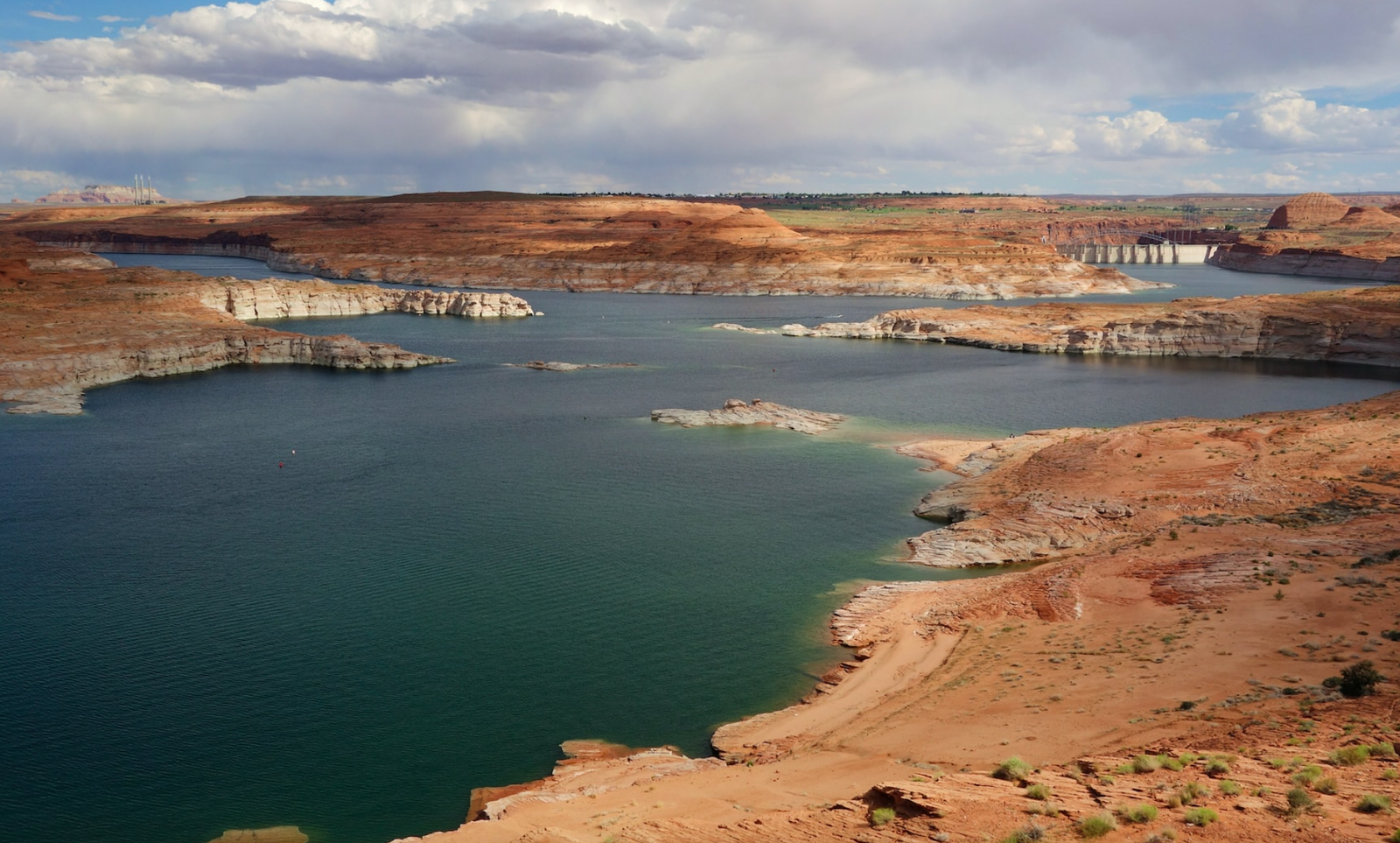
Meanwhile, Colorado just lived through its warmest September on record in many locations. Grand Junction, Montrose, and Durango all set new high-temperature marks. Denver ranked third-warmest. That heat has sucked every drop of moisture out of the soil before winter even arrives.
The latest U.S. Drought Monitor map, released Thursday, shows 91 percent of Colorado in severe, extreme, or exceptional drought, the worst October reading since 2012.
What the Task Force Will Do Right Now
The group is co-chaired by the Colorado Water Conservation Board and brings together the departments of Natural Resources, Agriculture, Public Safety, and Local Affairs, plus federal agencies, counties, and water districts.
Their first job is simple: tell the governor exactly how bad it is and what needs to happen next.
Dan Gibbs, executive director of the Department of Natural Resources, said the task force will look at everything from emergency haying on federal lands to possible state or federal disaster declarations.
“We’re going to track municipal water shortages, agricultural losses, and wildfire danger in real time,” Gibbs told reporters Thursday. “Then we’ll bring short-term, medium-term, and long-term recommendations to the governor so he can act fast.”
In the 2020-2022 drought, the task force met 22 times and helped unlock more than $20 million in direct aid to ranchers, sped up USDA disaster programs, and opened emergency grazing on CRP land.
Farmers Already Making Painful Choices
Many producers never fully recovered from the last drought. Now they’re staring at round two.
Hay prices have spiked 40-50 percent since summer. Some ranchers are weaning calves early and shipping them to feedlots because they know they won’t have water to grow winter pasture.
Marc Arnusch, a farmer near Prospect Valley and president of the Colorado Fruit & Vegetable Growers Association, put it bluntly: “We’re making herd and crop decisions now that will affect us for the next five to ten years. If we don’t get a big snowpack, a lot of family farms won’t be here in 2026.”
Cities are feeling it too. Aurora Reservoir is 20 feet low. Denver Water’s Dillon Reservoir is dropping faster than models predicted. The Colorado-Big Thompson Project, which supplies 1 million people on the Northern Front Range, is bracing for another year of reduced deliveries.
Wildfires Remain a Massive Threat
Colorado still has holdover fires smoldering from last season because there was no snow to put them out.
Combine dead grass, bone-dry forests, and warm winds, and fire officials are openly nervous about October and November blazes.
The Cameron Peak and East Troublesome fires of 2020 both exploded in extreme drought conditions. Firefighters do not want to repeat that nightmare.
This Is the New Normal Until Proven Otherwise
State officials are quick to say one good winter can still turn things around. But they are not counting on it.
The Drought Task Force will deliver its first set of recommendations to Governor Polis by early December. Those could include county-wide fire bans, emergency stock-water permits, new soil-health funding, or formal requests for federal disaster help.
One thing is clear: Colorado cannot afford to wait and hope for snow that may never come.
Families who ski, farmers who feed us, and cities that keep the lights on are all watching the sky right now. The Drought Task Force is the state’s way of saying we are not just hoping, we are preparing.
Drop your thoughts below. Are you cutting back water already? Have you seen dust blowing off fields near you? Share your story, and use #ColoradoDrought on social media. People need to hear what’s really happening on the ground.









Spotify Running Mode hits Android and revives its old tempo experiment

Galaxy Tab S12 Ultra Renders Keep the Notch Fans Hate

Novato Spinning Round House Sells With Six Neighbors for $3.3 Million

Crop Tour Finds Indiana and Nebraska Corn Yields Lagging 2025

Best Buy 60th sale brings Android deals back to its roots

American Airlines reverses seatback screen bet years too late

Iran Hormuz Strikes Force Gulf Oil Onto Costlier Paths

Plague Tale Prequel Day One Joins Game Pass Wave 2 as Witcher Exits

NBA 2K27 opens The City to everyone and rewrites career eras

iOS 26.6.1 Patches 29 Flaws as AI Forces Faster Apple Updates

Double Fine Cuts 23 Jobs Weeks After Xbox Independence

John Hight Exits Wizards After Digital Reckoning Hits

Day-One Big Walk Lifts PS Plus August Beyond Recycled AAA

Curtis Mead’s Red Sox Debut Ends With Fractured Wrist

Moesch and Dressel Rewrite Night One at 2026 U.S. Nationals

Red Sox Squander Hot Streak Chance in 4-3 Loss to Athletics

Boutte’s Quiet Camp Takeover Forces Patriots Receiver Choices

Take-Two CEO Pushes Netflix Subs for GTA 6 Extended Look

Halo Campaign Evolved Skulls Meet Death Barriers That Kill the Hunt

Wildlands Free Update Hands Players the Tools They Already Invented
-

 TECHNOLOGY3 years ago
How to Adjust a Bulova Watch Band – An Easy Guide
-

 News3 years ago
Fred Pentland: Athletic Bilbao’s English mentor who changed the essence of Spanish football
-

 FINANCE3 years ago
Tax Planning for Every Season: Guide to Maximizing Your Tax Benefits
-

 Education3 years ago
African Ministers New Education Plan
-

 BUSINESS3 years ago
What is Entrepreneurial Operating System? A Comprehensive Guide to EOS
-

 Education3 years ago
Innovate Your Learning Journey with Technology and Enhance Education
-

 BUSINESS3 years ago
Top 9 Most Expensive American Cities to Rent an Apartment
-

 News3 years ago
Russians formally out of World Athletics Championships