
News
Indiana State Police Crack Cold Cases With New DNA Tech Team

INDIANA – Some of Indiana’s coldest mysteries are finally heating up. After decades of silence, the Indiana State Police (ISP) is cracking unsolved crimes wide open using a new specialized team and cash injection. Officials say the “frozen” cases that sat gathering dust for years are now being solved at a record pace.
This week, Governor Mike Braun announced that a newly formalized cold case unit has successfully closed multiple decades-old investigations. The breakthroughs come from a mix of old-school detective work and futuristic DNA technology. The state police say they are just getting started and have a clear message for criminals hiding in the shadows: time is running out.
A Massive Leap in Manpower
For years, cold cases were often worked on the side when detectives had spare time. That has changed. The Indiana State Police now operates a dedicated Forensic Investigative Genetic Genealogy (FIGG) unit. This team focuses solely on matching DNA from crime scenes to family trees to find suspects who have managed to stay off the radar.
Gov. Braun recently approved a major funding boost to support this mission. The state budget for the forensic laboratory jumped by 20 percent, rising from $15 million to $18 million. This money allows the lab to process evidence faster and clear the backlog of untested kits.
Impact of the New Investment:
- 20% increase in the forensic laboratory budget.
- 50% increase in automated DNA batch processing speeds.
- 19% drop in the state’s DNA evidence backlog.
“We are doing something that is really having an impact on public safety,” Gov. Braun said Tuesday. “When you are solving cold cases, there is going to be a deterrent effect for anybody that is thinking about enterprising in the wrong way.”
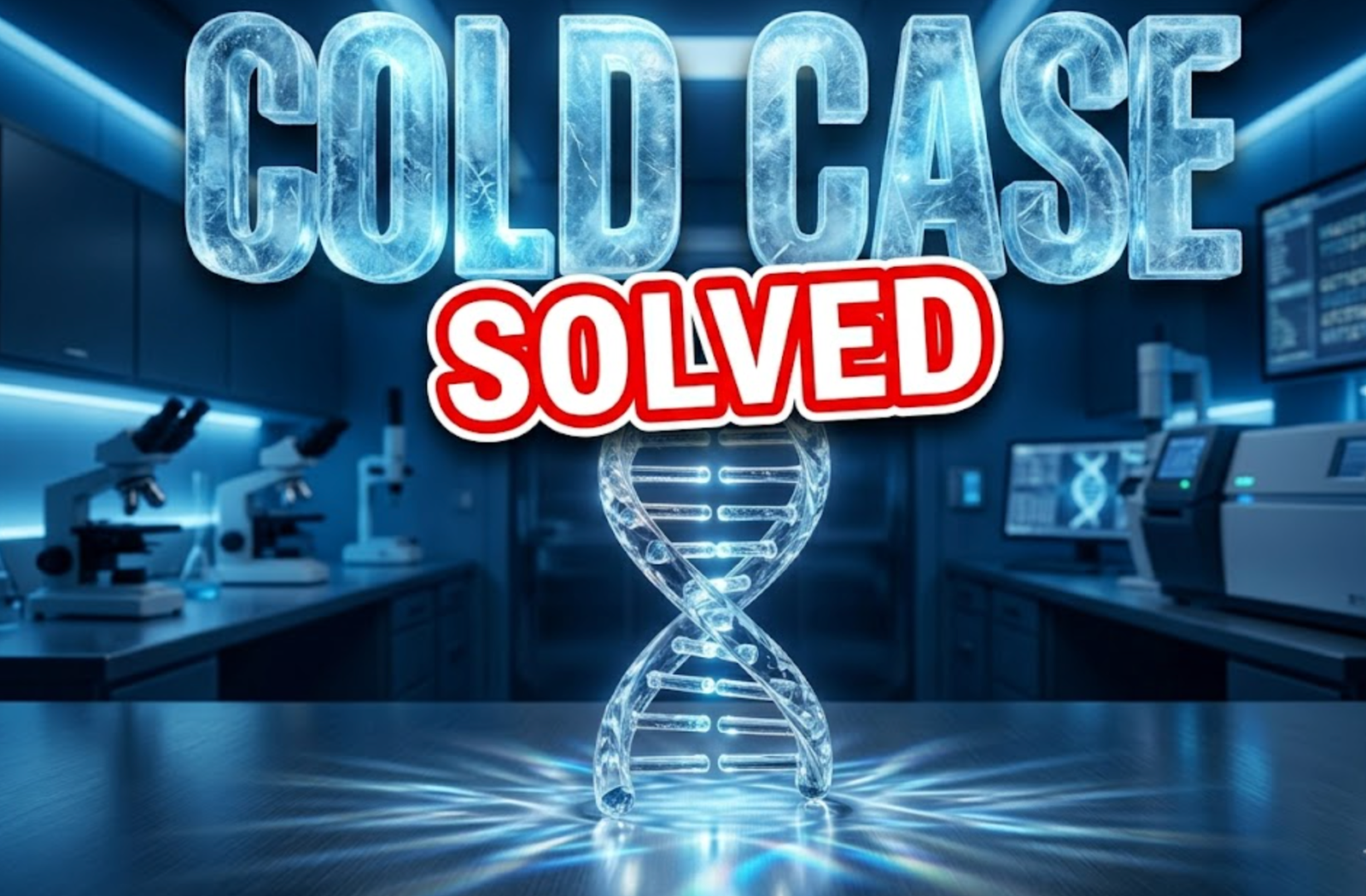
Science Meets Justice
The star of this new initiative is the FIGG unit. It combines the chemistry of DNA analysis with the history of family trees. Allen Williamson, deputy superintendent of the ISP investigations bureau, explained that this unit is the first of its kind to be a formal part of the state police structure.
The process is complex but effective. Detectives look at old evidence—like clothing or hair—and see if it can be retested. If they get a DNA profile, they do not just look for a direct match in police databases. Instead, they look for relatives.
“This is the first time it has been a formalized unit. It is a long process, a long, tedious process.”
Allen Williamson, Deputy Superintendent of ISP
By finding cousins, aunts, or siblings in genealogy databases, investigators can build a family tree that leads them straight to the suspect. The team includes four scientists and a professional genealogist who work hand-in-hand with detectives on the ground.
Decades of Silence Broken
The new unit has already delivered results that have shaken local communities. Investigators recently solved a 1975 homicide that had haunted the state for over 50 years. Using the new DNA methods, they identified the killer of Phyllis Bailer, a young mother who vanished while traveling to visit her parents. The suspect, Fred Allen Lienemann, was identified through genetic links, though he died in 1985.
Another major win came from Dubois County. In September 2000, a man robbed a bank and carjacked a mother and her child. For 25 years, the case went nowhere. But earlier this month, the cold case unit used a single drop of blood from the crime scene to track down the suspect.
They narrowed the search to three brothers. After testing the one surviving brother and ruling him out, they determined the criminal was one of the deceased siblings. While the suspect can no longer be put in handcuffs, the case is finally considered resolved.
Recent Major Case Breakthroughs:
| Case Year | Type of Crime | Outcome |
|---|---|---|
| 1975 | Homicide (Phyllis Bailer) | Suspect identified (Deceased) |
| 1987 | Infant Death | Charges filed & Conviction secured |
| 2000 | Armed Robbery/Carjacking | Suspect identified (Deceased) |
The Road to Resolution
The work is far from over. Williamson noted that there are still many “frigid” cases waiting for answers. The goal is not just to make arrests but to give families the truth they have been waiting for.
He admits that “closure” is a tricky word for families who have lost loved ones. The pain never fully goes away.
“A lot of families don’t like the word closure because it is never really closed,” Williamson said. “Final resolution is a better way of putting it. But that is always our goal.”
With the new funding and the success of the FIGG unit, local police departments across Indiana are now asking for help with their own unsolved files. Gov. Braun says he is ready to back them up, hinting that more money could be on the way if the results continue to pile up.
“We are just getting started,” Braun said. “I am anxious to see where we go from here.”
What do you think about using family tree data to solve crimes? Share your thoughts in the comments below using #IndianaColdCases if you want to join the conversation online.











Halo Campaign Evolved Skulls Meet Death Barriers That Kill the Hunt

Spotify Running Mode Returns After the 2015 Experiment Failed

Amazon AWS Hits Fastest Growth in Years as AI Spend Pays Off

Amazon Bets Platform Beats Models in the AI Race

Apple C2 Modem Edges Into iPhone 18 Pro After Qualcomm Drop

Google Earth Adds Nano Banana 2 to Reimagine Real Places

Apple Upgrade Turns Phones Into Monthly Utility Bills

Asha Sharma Bets Xbox Growth on Console and Four C’s

MacBook Ultra Design Follows Apple’s Familiar Cascade Path

TAG Heuer Carrera x Team Ikuzawa Revives 1970s Roadmaster Stopwatch DNA

Pokémon GO Developer Niantic Rebrands as Scopely Explore

Jaylen Brown Traded to 76ers for Paul George and Four Draft Picks

Persona 4 Revival Hands All Anime Cutscenes to Studio MAPPA

Doom Studio id Software Cuts Half Its Staff in Xbox Layoffs

Nintendo Switch Online Adds Four Classics and One Japan-Only Title

Jordan Henderson Hospitalized After Wrist Injury at the Azteca

Mexico’s World Cup Run Ends at Azteca as England Hold On 3-2

Meta’s Muse Image Lets Anyone Use Your Instagram Photos in AI

Louis Vuitton Beats Molly Tea in China, Triggers Cultural Backlash

Pink Bearista Cup Returns July 13 as Starbucks Pink Vibes Drops
-

 TECHNOLOGY3 years ago
How to Adjust a Bulova Watch Band – An Easy Guide
-

 News3 years ago
Fred Pentland: Athletic Bilbao’s English mentor who changed the essence of Spanish football
-

 FINANCE3 years ago
Tax Planning for Every Season: Guide to Maximizing Your Tax Benefits
-

 Education3 years ago
African Ministers New Education Plan
-

 BUSINESS3 years ago
What is Entrepreneurial Operating System? A Comprehensive Guide to EOS
-

 Education3 years ago
Innovate Your Learning Journey with Technology and Enhance Education
-

 BUSINESS3 years ago
Top 9 Most Expensive American Cities to Rent an Apartment
-

 News3 years ago
Russians formally out of World Athletics Championships