
News
Wildfires Trigger Massive Drop in National Park Visits 2025

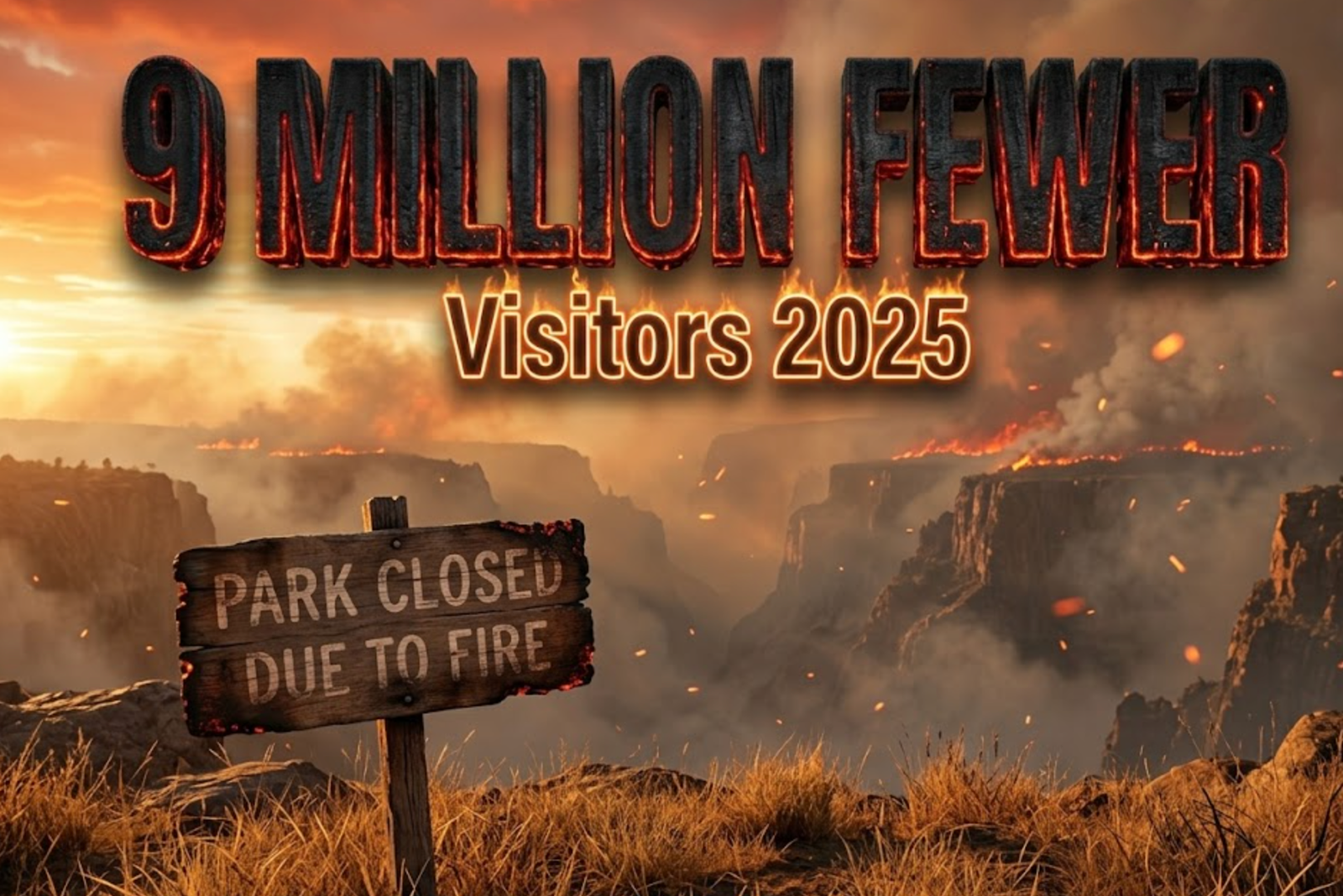
America’s national parks welcomed nearly 9 million fewer visitors in 2025 than in 2024, marking the sharpest single-year decline in more than a decade, according to data just released by the National Park Service. Western Colorado felt the impact hardest, with summer wildfires closing trails, filling skies with smoke, and turning away tens of thousands of would-be explorers during peak season.
Black Canyon Takes the Biggest Hit in Colorado
Black Canyon of the Gunnison National Park in Montrose County recorded roughly 86,000 fewer visitors in 2025, a stomach-punching drop for a park that normally sees around 300,000 people annually.
The South Rim Fire, which ignited in July and burned across the park’s most popular area, forced extended closures of the South Rim Drive and several overlooks during the busiest months of the year. Visitors who had booked campsites and rim tours months in advance suddenly found themselves canceled or rerouted.
Colorado National Monument near Grand Junction saw a smaller but still noticeable decline of about 5,000 visitors. Smoke from distant fires, combined with extreme heat warnings on the Western Slope, kept many families in air-conditioned cars instead of hiking the monument’s scenic canyons.
Western Parks Bear the Brunt Nationwide
The story repeats across the West. Yosemite, Glacier, and Rocky Mountain National Parks all reported double-digit percentage drops during July and August, traditionally their peak months.
Summer 2025 now ranks as one of the worst wildfire seasons on record for visitor disruption.
More than a dozen major fires burned across California, Oregon, Washington, and Colorado, creating hazardous air quality that lasted for weeks. In some areas, AQI levels topped 300 for days at a time, levels the EPA classifies as “hazardous” and advises everyone to stay indoors.
Park rangers reported something they rarely see: empty campgrounds in the middle of summer. Reservation cancellation rates spiked 400% at some western parks compared to 2024.
Local Businesses Feel the Pain
In gateway towns like Grand Junction and Montrose, the ripple effects hit immediately.
Hotels that normally stay booked solid from June through August reported 30-40% vacancy rates. Rafting companies on the Gunnison River ran half-empty boats. Restaurants that count on park traffic saw their slowest summer in years.
One Montrose business owner told KJCT, “We usually hire extra staff for July and August. This year we barely needed our regular crew.”
The economic loss goes beyond souvenir shops and hotels. National parks pump billions into local economies every year through visitor spending on lodging, food, gas, and guided tours.
A Silver Lining for Overcrowded Parks?
Some conservationists point out an unexpected benefit.
Fewer boots on trails meant less erosion, fewer human-wildlife conflicts, and a brief respite for ecosystems that have been loved nearly to death in recent years. Rangers at several parks reported seeing wildlife return to areas that had been dominated by human traffic for years.
Yet no one in the Park Service is celebrating. Entrance fees and camping revenue help fund trail maintenance, wildfire mitigation, and habitat restoration. A prolonged drop in visitation could mean budget cuts exactly when parks need more resources to fight increasingly severe fires.
What Happens Next
The National Park Service has already launched recovery campaigns for 2026, highlighting spring and fall visits when wildfire risk is lower and temperatures are more comfortable.
Some parks are expanding shuttle systems and timed-entry reservations to smooth out crowds and reduce peak-season pressure. Others are investing heavily in prescribed burns and fire-resistant infrastructure, trying to get ahead of a warming climate that shows no signs of easing.
The message from park officials is clear: America’s public lands are still open, still breathtaking, and still need visitors who care enough to protect them.
But after a summer when smoke chased millions away, one thing is certain. The days of taking unrestricted access to our national parks for granted are over.
What do you think? Will you still plan a national park trip in 2026, or are you waiting for clearer skies? Drop your thoughts in the comments below.













Redmi Battery Monsters Win the Week as Samsung Trims S27 Cameras

Moto G Max India Bet Puts 7000mAh Battery Ahead of Specs

Take-Two CEO Pushes Netflix Subs for GTA 6 Extended Look

Google Bets Tensor G6 Efficiency Fixes Pixel’s Old Flaws

Grok Image 2.0 Adds Pro Edits While Scandals Linger

Caviar Leather iPhone 18 Pro Editions Kill Wireless Charging for Status

Quordle Monday Delivers Gavel Crush Speed Ethos Cleanly

Goldmund Telos 9800 Mono Amp Costs More Than Most Ferraris

Gemini Plan Dropped the Race and Made Running Stick

Cloudflare Kitesurf Cracks Chromium Moat for AI Agents

ZA/UM Lays Off 32 Staff as Zero Parades Wins Reviews, Not Players

EA’s New In-Game Ad Platform Skips the Games That Need It Most

Mortgage Rates Climb to 6.55%, the Highest Level in Nearly a Year

Colby Covington Stuns Tsarukyan as Askren Retires in Tears at RAF 11

Netflix Heads Into Earnings With Its 2022 Playbook Already Spent

Spain’s Diaspora-Rooted Squad Wins Over New York Ahead of the Final

NHL’s Monday Matinee Push Puts Capitals Fans on the Clock

DeChambeau’s Two-Shot Penalty Rewrites the Open’s Weekend Draw

Guardians Rout Twins With Seven Homers, Leave Joe Ryan One Shy of Record

England Beats France 6-4 to Claim World Cup Bronze Medal
-

 TECHNOLOGY3 years ago
How to Adjust a Bulova Watch Band – An Easy Guide
-

 News3 years ago
Fred Pentland: Athletic Bilbao’s English mentor who changed the essence of Spanish football
-

 FINANCE3 years ago
Tax Planning for Every Season: Guide to Maximizing Your Tax Benefits
-

 Education3 years ago
African Ministers New Education Plan
-

 BUSINESS3 years ago
What is Entrepreneurial Operating System? A Comprehensive Guide to EOS
-

 Education3 years ago
Innovate Your Learning Journey with Technology and Enhance Education
-

 News3 years ago
Russians formally out of World Athletics Championships
-

 BUSINESS3 years ago
Top 9 Most Expensive American Cities to Rent an Apartment