
News
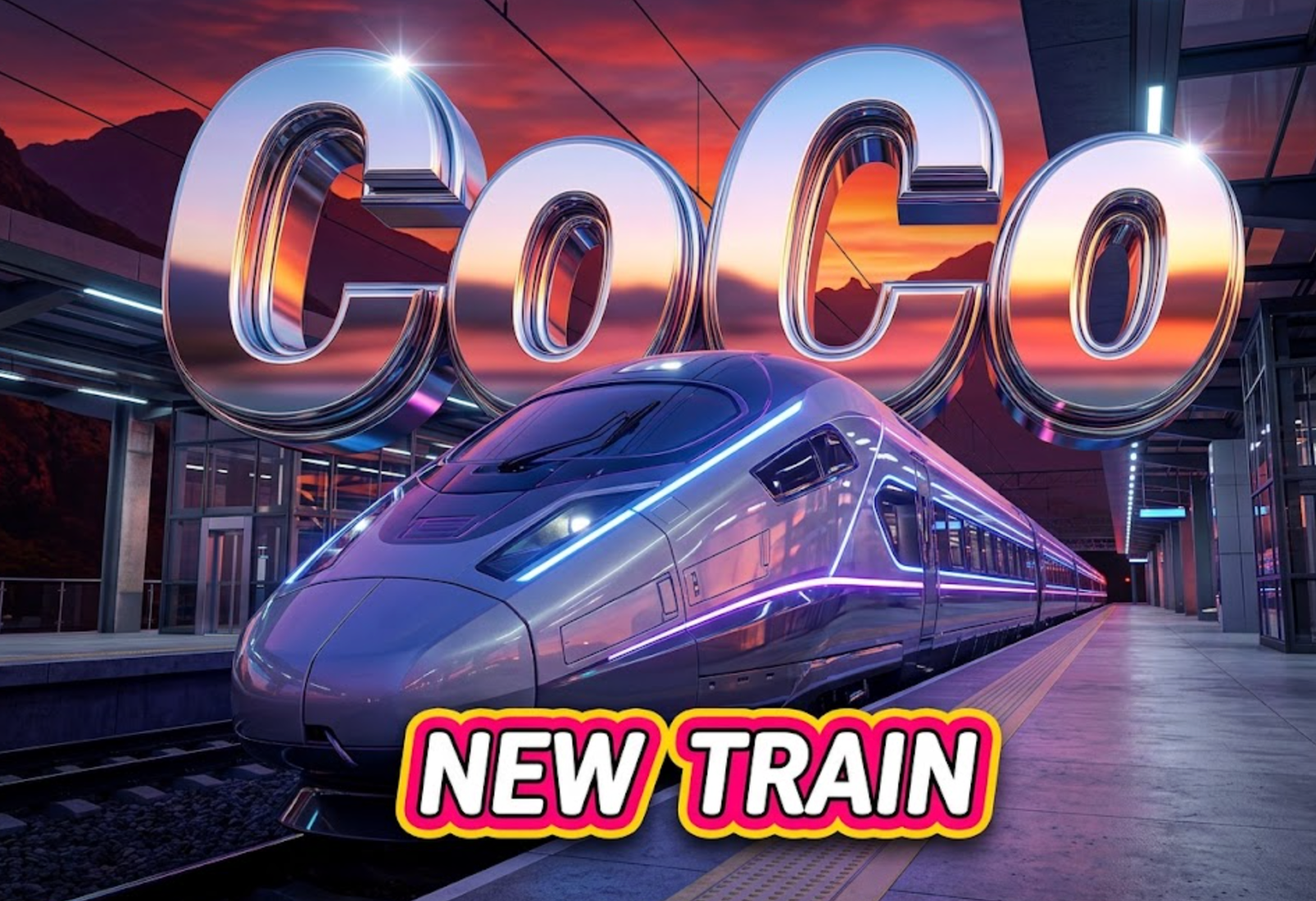
Meet CoCo: Colorado Chooses Name For Future Train

Traffic jams along the Interstate highway corridor might finally have an expiration date. Governor Jared Polis has officially announced the winning name of the highly anticipated intercity passenger train. Say hello to the Colorado Connector, affectionately nicknamed CoCo by enthusiastic locals. This ambitious rail project promises to link major communities from Fort Collins all the way to Pueblo starting in 2029.
How The Colorado Connector Won The State
Nearly 26,000 residents participated in a massive statewide naming contest. Voters eagerly submitted and ranked their favorite ideas over the past few weeks. The Colorado Connector took the crown as the clear fan favorite.
The catchy abbreviation “CoCo” resonated strongly with locals looking for a modern transit identity. Interestingly, the runner up was Front Range Express Destinations. That name would have given the train the quirky acronym of FRED. Other honorable mentions included Rocky Mountain Rail and Centennial Express.
State leaders view this public participation as a huge win for community engagement. Sal Pace serves as the general manager of the Front Range Passenger Rail District. He noted that the impressive voter turnout proves how eager people are for alternative transportation options.
PULL QUOTE: “After years of planning and study, we are seeing real momentum bringing us closer to a train Coloradans will be able to ride in just a few years.”
Sal Pace, General Manager
Public transit advocates have praised the naming campaign for building essential grassroots support. A strong brand identity makes it much easier to market the service to future riders. The state plans to launch a full visual branding package for CoCo very soon.
Planning The Route From Fort Collins To Pueblo
Building a massive rail network takes careful coordination and distinct phases. The first segment will prioritize the busiest northern stretch. Passenger service from Denver to Fort Collins is officially scheduled to begin in 2029.
Once the northern connection is running smoothly, track crews will focus on the southern expansion. The rails will eventually reach Pueblo by 2032, creating a seamless regional travel corridor. This full route will connect the fastest growing regions of the state directly.
To make this complex timeline easy to understand, here is the current expansion plan.
| Project Phase | Expected Year | Route Details |
|---|---|---|
| Phase One | 2029 | Denver to Fort Collins |
| Phase Two | 2032 | Denver to Pueblo |
| Future Vision | TBD | Wyoming and New Mexico links |
Engineers are working closely with the BNSF Railway company to utilize existing freight tracks. Sharing these established lines drastically cuts down on construction time and land acquisition costs. Upgrades to these tracks will be necessary to ensure smooth passenger rides.
Stations are currently being planned for key cities like Boulder, Longmont, and Loveland. These strategic stops will serve heavily populated university towns and bustling commercial hubs.
Funding The Multibillion Dollar Transit Dream
Transforming the Colorado Front Range requires serious financial backing. The total cost of the project is estimated to be several billion dollars. State and federal governments are already pooling heavy resources to get the initial phases moving.
Recent state legislation has played a massive role in securing early money. Governor Polis recently signed a sweeping transit bill to funnel rental car fees toward rail development. This strategic financial move helps unlock massive matching grants from the federal government.
The Federal Railroad Administration has already shown strong interest in supporting this specific route. Federal grants could potentially cover up to eighty percent of the capital costs. This federal backing significantly reduces the financial burden on local taxpayers.
However, the Front Range Passenger Rail District still needs sustainable long term funding. Voters will likely see a small sales tax measure on their local ballots in the coming years. Passing this dedicated tax is absolutely critical to keep CoCo running efficiently for everyday commuters.
Boosting Local Economies Along The Tracks
A reliable intercity train does much more than just move people around. The new rail system will act as a major catalyst for regional economic growth. Communities with train stops historically see massive spikes in local business revenue.
City planners are already preparing for new transit oriented development projects near proposed stations. These developments combine affordable housing, retail shops, and office spaces into walkable neighborhoods. This urban design strategy drastically reduces the need for private vehicle ownership.
Construction of the rail network will also generate thousands of well paying local jobs. Engineers, track builders, and station managers will be in extremely high demand over the next decade. The economic ripple effects will benefit communities far beyond the immediate train route.
Why Leaving Your Car Behind Matters
The population across the state continues to explode at unprecedented rates. Highways simply cannot handle the sheer volume of daily commuters anymore. The Colorado Connector offers a vital pressure release valve for our incredibly stressed infrastructure.
Governor Polis recently described CoCo as a faster, cleaner and more convenient way to travel across our state. This project aligns perfectly with statewide climate goals to reduce harmful greenhouse gas emissions. Fewer cars on the road means significantly less pollution in our pristine mountain air.
Here are the primary benefits the new rail system will bring to residents:
- Reduces daily travel times between major metropolitan cities.
- Lowers carbon footprints for everyday working commuters.
- Connects rural workers to major urban job centers efficiently.
- Decreases fatal traffic accidents along the congested interstate.
A reliable train schedule will completely change how locals plan their weekend adventures. Families can soon travel to sporting events in Denver without worrying about parking fees. The convenience factor alone will likely attract thousands of daily riders.
The Colorado Connector is no longer just a distant dream for frustrated drivers stuck in traffic. With a catchy new name and a solid launch date of 2029, the future of mountain state travel looks incredibly bright. The momentum is finally shifting toward sustainable and efficient public transportation. Are you excited to trade your steering wheel for a train ticket? Share your thoughts on X using the hashtag #CoCoTrain and let your local representatives know what stops you want to see most.









Halo Campaign Evolved Skulls Meet Death Barriers That Kill the Hunt

Spotify Running Mode Returns After the 2015 Experiment Failed

Amazon AWS Hits Fastest Growth in Years as AI Spend Pays Off

Amazon Bets Platform Beats Models in the AI Race

Apple C2 Modem Edges Into iPhone 18 Pro After Qualcomm Drop

Google Earth Adds Nano Banana 2 to Reimagine Real Places

Apple Upgrade Turns Phones Into Monthly Utility Bills

Asha Sharma Bets Xbox Growth on Console and Four C’s

MacBook Ultra Design Follows Apple’s Familiar Cascade Path

TAG Heuer Carrera x Team Ikuzawa Revives 1970s Roadmaster Stopwatch DNA

Pokémon GO Developer Niantic Rebrands as Scopely Explore

Jaylen Brown Traded to 76ers for Paul George and Four Draft Picks

Persona 4 Revival Hands All Anime Cutscenes to Studio MAPPA

Doom Studio id Software Cuts Half Its Staff in Xbox Layoffs

Nintendo Switch Online Adds Four Classics and One Japan-Only Title

Jordan Henderson Hospitalized After Wrist Injury at the Azteca

Mexico’s World Cup Run Ends at Azteca as England Hold On 3-2

Meta’s Muse Image Lets Anyone Use Your Instagram Photos in AI

Louis Vuitton Beats Molly Tea in China, Triggers Cultural Backlash

Pink Bearista Cup Returns July 13 as Starbucks Pink Vibes Drops
-

 TECHNOLOGY3 years ago
How to Adjust a Bulova Watch Band – An Easy Guide
-

 News3 years ago
Fred Pentland: Athletic Bilbao’s English mentor who changed the essence of Spanish football
-

 FINANCE3 years ago
Tax Planning for Every Season: Guide to Maximizing Your Tax Benefits
-

 Education3 years ago
African Ministers New Education Plan
-

 BUSINESS3 years ago
What is Entrepreneurial Operating System? A Comprehensive Guide to EOS
-

 Education3 years ago
Innovate Your Learning Journey with Technology and Enhance Education
-

 News3 years ago
Russians formally out of World Athletics Championships
-

 BUSINESS3 years ago
Top 9 Most Expensive American Cities to Rent an Apartment