
News
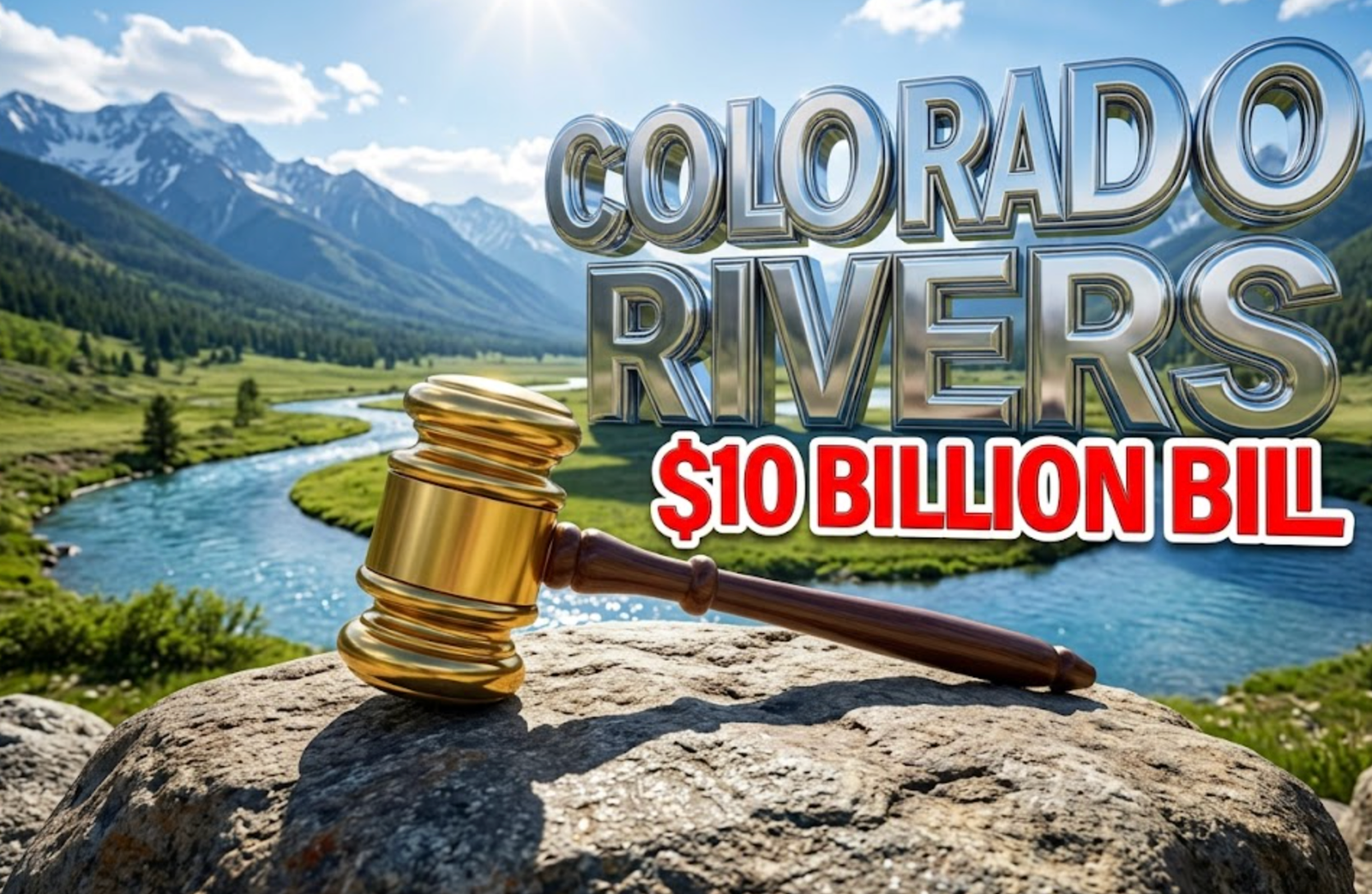
Colorado River Battle: Study Warns of Massive Taxpayer Bill

Imagine floating down a majestic Colorado river without the fear of trespassing on private land. A new study reveals that this dream carries a staggering price tag of tens of billions of dollars for taxpayers. This massive estimate comes from the Common Sense Institute as state leaders weigh the future of water access across the Rocky Mountains.
The Multi-Billion Dollar Reality of Public Access
Colorado is famous for its rugged beauty and winding waterways that draw millions of tourists each year. However, much of this water flows through land owned by private citizens and ranchers. A new report from the Common Sense Institute highlights the extreme financial hurdles of changing current access laws.
The study points out that Colorado has over 107,000 miles of rivers and streams within its borders. Roughly half of those miles pass directly through private property rather than public parks. Opening just the floatable sections of these rivers could cost the state tens of billions of dollars in compensation.
Former Department of Natural Resources director Mike King helped author this revealing study. He notes that while the idea of universal access sounds great, the financial constraints are nearly impossible to overcome. The legal process of taking property rights requires the government to pay fair market value to every affected landowner.
- Total River Miles: Approximately 110,000 miles across the state.
- Private Land Miles: Between 55,000 and 65,000 miles.
- Floatable Miles: Roughly 1,375 to 1,700 miles of navigable water.
- Cost Per Mile: Land value can range from $500,000 to $6 million per mile.
Why Colorado Rivers are Legally Different
The legal battle over water in the West is deeply rooted in history and specific court rulings. In most states, if a river is navigable, the public has the right to use the banks. Colorado follows a much stricter set of rules that favor the person who owns the land.
The Colorado Supreme Court settled this debate decades ago in a famous case from 1979. That ruling stated that the beds and banks of rivers are private property if they sit on private land. Because of this ruling, rafters can float through private land but cannot touch the bottom or the shore.
This creates a high stakes environment for both outdoor enthusiasts and property owners. If the state decided to pass a law granting full access, it would likely be viewed as a taking of property. Under the Constitution, the government cannot take private property without providing just compensation to the owner.
| River Detail | Estimated Range |
|---|---|
| Total Miles of Water | 107,000 to 110,000 |
| Miles on Private Land | 55,000 to 65,000 |
| Estimated Floatable Miles | 1,375 to 1,700 |
| Estimated Land Value Impact | 50% to 85% |
Impact on Property Values and Landowners
For many Colorado landowners, the river running through their property is their most valuable asset. Access to a private stream can increase the total value of a ranch or estate significantly. The study found that losing exclusive access could slash property values by more than half in some areas.
When a river becomes public, the privacy and security of the surrounding land change forever. Landowners worry about litter, erosion, and the liability of people getting hurt on their property. The report estimates that river access accounts for 50 to 85 percent of a property’s total market value.
This massive shift in value is why the price tag for public access is so high. If the state devalues a ranch by millions, the owner is entitled to a check from the government. Multiplying that loss across thousands of miles of riverfront creates a debt that the state cannot afford.
“The idea of open access sounds superficially great, but the legal and financial constraints make it almost impossible for the state to execute.”
The Growing Tension Between Rafters and Ranchers
The debate is not just about money: it is also about a clash of cultures and lifestyles. On one side are the rafting companies and anglers who want to enjoy the natural resources of the state. On the other side are families who have worked the land for generations and value their privacy.
Rafters argue that the water belongs to the public and they should be allowed to portage around obstacles. Ranchers argue that they pay taxes on the land and have a right to control who enters it. This friction often leads to heated confrontations and even legal battles on the water.
Education is becoming a primary tool to help bridge the gap between these two vocal groups. Local organizations are working to teach rafters where they can and cannot go. At the same time, they are asking landowners to be more flexible when people are just passing through.
A Slower Path to Stream Access
Instead of a massive legislative overhaul, experts suggest a more incremental approach to gaining river access. This involves working with willing sellers rather than forcing land to become public through new laws. Groups like Colorado Parks and Wildlife are already leading the charge in this area.
These agencies use grants and lottery funds to purchase easements from landowners who want to share their water. This method ensures that the owner is fairly paid and the public gets a permanent place to play. While this process is slow, it avoids the constitutional crisis of taking land without permission.
- Voluntary Easements: Landowners sell specific access rights while keeping the property.
- Land Trusts: Non profit groups help preserve land and provide public trails or river put ins.
- State Purchases: Agencies buy land outright when it goes on the market for sale.
This balanced approach seems to be the only way forward that does not bankrupt the state treasury. It respects the rights of the people who own the land while slowly expanding opportunities for everyone else. Colorado will likely continue to see more public access, but it will happen one mile at a time.
This study serves as a reality check for those hoping for a quick fix to the river access problem. The beauty of the Colorado wilderness is a shared treasure, but the land beneath the water remains a private right. Finding a way to respect both will require patience, funding, and a lot of cooperation. What do you think about the cost of opening our rivers? Share your thoughts in the comments or join the conversation on social media using the hashtag #ColoradoRivers.









Spotify Running Mode hits Android and revives its old tempo experiment

Galaxy Tab S12 Ultra Renders Keep the Notch Fans Hate

Novato Spinning Round House Sells With Six Neighbors for $3.3 Million

Crop Tour Finds Indiana and Nebraska Corn Yields Lagging 2025

Best Buy 60th sale brings Android deals back to its roots

American Airlines reverses seatback screen bet years too late

Iran Hormuz Strikes Force Gulf Oil Onto Costlier Paths

Plague Tale Prequel Day One Joins Game Pass Wave 2 as Witcher Exits

NBA 2K27 opens The City to everyone and rewrites career eras

iOS 26.6.1 Patches 29 Flaws as AI Forces Faster Apple Updates

Double Fine Cuts 23 Jobs Weeks After Xbox Independence

John Hight Exits Wizards After Digital Reckoning Hits

Day-One Big Walk Lifts PS Plus August Beyond Recycled AAA

Curtis Mead’s Red Sox Debut Ends With Fractured Wrist

Moesch and Dressel Rewrite Night One at 2026 U.S. Nationals

Red Sox Squander Hot Streak Chance in 4-3 Loss to Athletics

Boutte’s Quiet Camp Takeover Forces Patriots Receiver Choices

Take-Two CEO Pushes Netflix Subs for GTA 6 Extended Look

Halo Campaign Evolved Skulls Meet Death Barriers That Kill the Hunt

Wildlands Free Update Hands Players the Tools They Already Invented
-

 TECHNOLOGY3 years ago
How to Adjust a Bulova Watch Band – An Easy Guide
-

 News3 years ago
Fred Pentland: Athletic Bilbao’s English mentor who changed the essence of Spanish football
-

 FINANCE3 years ago
Tax Planning for Every Season: Guide to Maximizing Your Tax Benefits
-

 Education3 years ago
African Ministers New Education Plan
-

 BUSINESS3 years ago
What is Entrepreneurial Operating System? A Comprehensive Guide to EOS
-

 Education3 years ago
Innovate Your Learning Journey with Technology and Enhance Education
-

 BUSINESS3 years ago
Top 9 Most Expensive American Cities to Rent an Apartment
-

 News3 years ago
Russians formally out of World Athletics Championships