
News
Grand Junction Eyes Fireworks Ban Amid Severe Drought Risk

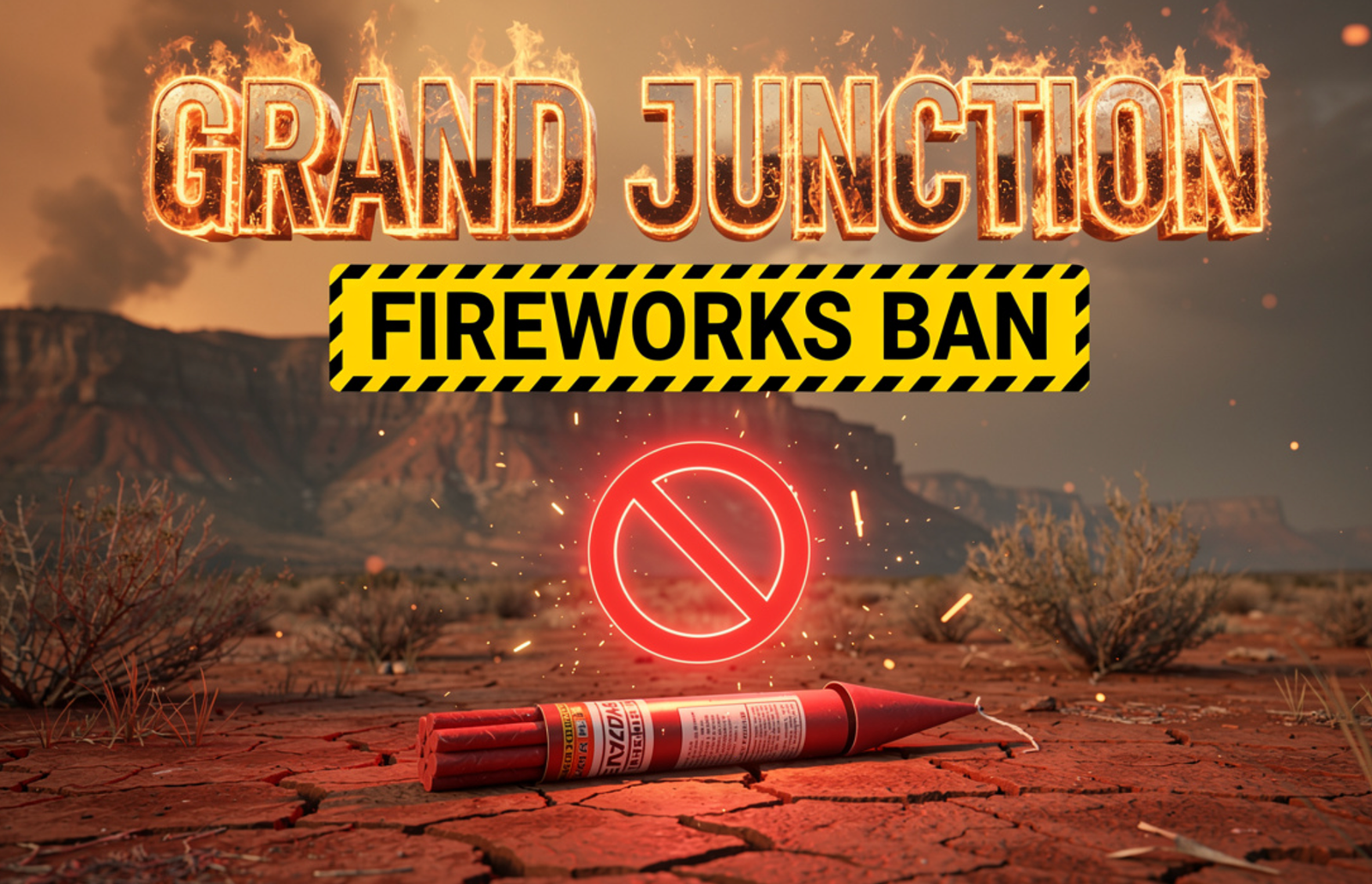
Grand Junction City Council is moving fast to stop fireworks sales as Colorado burns through one of its driest springs on record. The fire chief is pushing for a temporary ban, warning the Western Slope is sitting on a tinderbox. With 114 red flag days and over 660,000 acres already scorched statewide, officials say the time to act is now, not after the next spark flies.
City Council Set to Vote on Sales Halt
The proposal landed before council members on Wednesday, May 7, 2026, after the Grand Junction Fire Department raised the alarm about worsening fire weather across Mesa County.
If approved, the ordinance would immediately stop the sale and trade of all consumer fireworks inside city limits until the fire chief decides conditions are safe again.
The measure is being framed as a preventive move rather than a reaction. Officials say waiting until the Fourth of July would be too late, with stands typically opening by late June and tents stocking up weeks in advance.
The ban would not have a fixed end date. Instead, it ties the timeline directly to ground moisture, humidity readings, and wind patterns tracked by local fire crews.
Why the Fire Chief Sounded the Alarm
Grand Junction sits in one of the most fire prone corners of Colorado, and 2026 has already broken several troubling records.
State data shows 100% of Colorado is now in drought, a milestone last hit in late 2021, the same week the deadly Marshall Fire destroyed nearly 1,000 homes in Boulder County. That comparison is weighing heavily on local leaders.
Fire crews point to a brutal mix of low snowpack, gusty afternoons, and bone dry vegetation. The Grand Junction Fire Department already has Stage 1 fire restrictions in place across Mesa County.
“We are not waiting for a fire to remind us what is at stake. Acting early gives our neighborhoods a fighting chance.”
The Numbers Driving the Decision
The figures tell a stark story about how dangerous this season has become. Council members reviewed data from state and federal agencies before the meeting.
| Indicator | 2026 Status |
|---|---|
| Red flag days statewide | 114 so far |
| Acres burned in Colorado | 660,000+ |
| Colorado in drought | 100% |
| State in extreme drought | 58.5% |
| State in exceptional drought | 18% |
| Retardant dropped by state aircraft | Nearly 200,000 gallons |
That pile of data is more than double the red flag warnings issued by the same point last year. Crews say a single stray spark can outrun a fire engine in these conditions.
What the Ban Covers and Who Is Affected
The proposed rule targets retailers, pop up stands, and anyone trading fireworks inside Grand Junction city limits. It builds on Colorado law, which already bans the most powerful aerial and explosive devices.
Here is what residents and business owners need to know if the ordinance passes:
- Sales: No commercial fireworks may be sold inside city limits.
- Trade and transfer: Private sales and swaps are also blocked.
- Use: Existing state restrictions on aerial fireworks remain fully enforced.
- Duration: The ban runs until the fire chief signs off on safer conditions.
- Surrounding areas: Mesa County and nearby towns may follow with similar moves.
Vendors who ordered stock for the summer holidays could feel the pinch first. Industry groups have warned that last minute bans hit small family run stands the hardest.
Safety Callout: Fire officials urge residents to clear dry brush within five feet of homes, keep gutters free of pine needles, and sign up for Mesa County emergency alerts before the holiday weekend.
A Statewide Pattern Taking Shape
Grand Junction is not acting alone. Governor Jared Polis unveiled Colorado’s 2026 Wildfire Preparedness Plan on April 30, urging cities to tighten ignition rules early.
Local fire agencies across the Grand Valley have already deployed crews to help fight fires in other states this spring. That mutual aid stretches resources thin when fires erupt at home.
The city also rolled out a new Wildfire Resiliency Code on April 1, requiring stronger fire resistant standards for new homes built in the wildland urban interface. The fireworks vote is the next link in that chain.
Residents on social media have shown strong support, with many sharing photos of bone dry yards and brown hillsides that should still be green this time of year. Others worry about losing a beloved Fourth of July tradition.
For families who have lived through close calls like the Pine Gulch Fire or the Grand Mesa burns, the choice feels simple. A quiet holiday is a small price for a safe one. Tonight’s vote could decide whether Grand Junction enters the summer with one less ignition risk hanging overhead, and neighbors across the Western Slope will be watching closely. Share your thoughts in the comments below and tell us if you think the council is making the right call.







Spotify Running Mode hits Android and revives its old tempo experiment

Galaxy Tab S12 Ultra Renders Keep the Notch Fans Hate

Novato Spinning Round House Sells With Six Neighbors for $3.3 Million

Crop Tour Finds Indiana and Nebraska Corn Yields Lagging 2025

Best Buy 60th sale brings Android deals back to its roots

American Airlines reverses seatback screen bet years too late

Iran Hormuz Strikes Force Gulf Oil Onto Costlier Paths

Plague Tale Prequel Day One Joins Game Pass Wave 2 as Witcher Exits

NBA 2K27 opens The City to everyone and rewrites career eras

iOS 26.6.1 Patches 29 Flaws as AI Forces Faster Apple Updates

Double Fine Cuts 23 Jobs Weeks After Xbox Independence

Day-One Big Walk Lifts PS Plus August Beyond Recycled AAA

John Hight Exits Wizards After Digital Reckoning Hits

Curtis Mead’s Red Sox Debut Ends With Fractured Wrist

Red Sox Squander Hot Streak Chance in 4-3 Loss to Athletics

Moesch and Dressel Rewrite Night One at 2026 U.S. Nationals

Boutte’s Quiet Camp Takeover Forces Patriots Receiver Choices

Take-Two CEO Pushes Netflix Subs for GTA 6 Extended Look

Halo Campaign Evolved Skulls Meet Death Barriers That Kill the Hunt

Wildlands Free Update Hands Players the Tools They Already Invented
-

 TECHNOLOGY3 years ago
How to Adjust a Bulova Watch Band – An Easy Guide
-

 News3 years ago
Fred Pentland: Athletic Bilbao’s English mentor who changed the essence of Spanish football
-

 FINANCE3 years ago
Tax Planning for Every Season: Guide to Maximizing Your Tax Benefits
-

 Education3 years ago
African Ministers New Education Plan
-

 BUSINESS3 years ago
What is Entrepreneurial Operating System? A Comprehensive Guide to EOS
-

 Education3 years ago
Innovate Your Learning Journey with Technology and Enhance Education
-

 News3 years ago
Russians formally out of World Athletics Championships
-

 BUSINESS3 years ago
Top 9 Most Expensive American Cities to Rent an Apartment