
News
FWCS Lets You Test Drive a School Bus to Fight Driver Crisis

Fort Wayne Community Schools took an unusual step this weekend. The district opened its doors and handed the keys of a real school bus to anyone willing to give it a shot. It was part recruitment drive, part desperate call for help.
Schools Go Dark When Buses Can’t Roll
The bus driver shortage in Fort Wayne has stopped being a background problem. It has become a classroom problem. Students at North Side and South Side high schools were placed on remote learning in late April due to a lack of bus drivers. That was just the beginning. Snider High School students also switched to remote learning, and Wayne High School made the same move the Friday before. It kept getting worse. FWCS then announced that Lane and Blackhawk middle schools would also have remote learning days, marking the fourth day in a row that select schools in the district had been impacted by the ongoing driver shortage. Fort Wayne Community Schools provides reliable transportation to nearly 12,000 students daily. When drivers do not show up, that number does not just shrink. It collapses, and thousands of kids are left scrambling. **This is not just an inconvenience. This is a district in a full-blown transportation emergency.**
What Actually Happened at the Test Drive Event
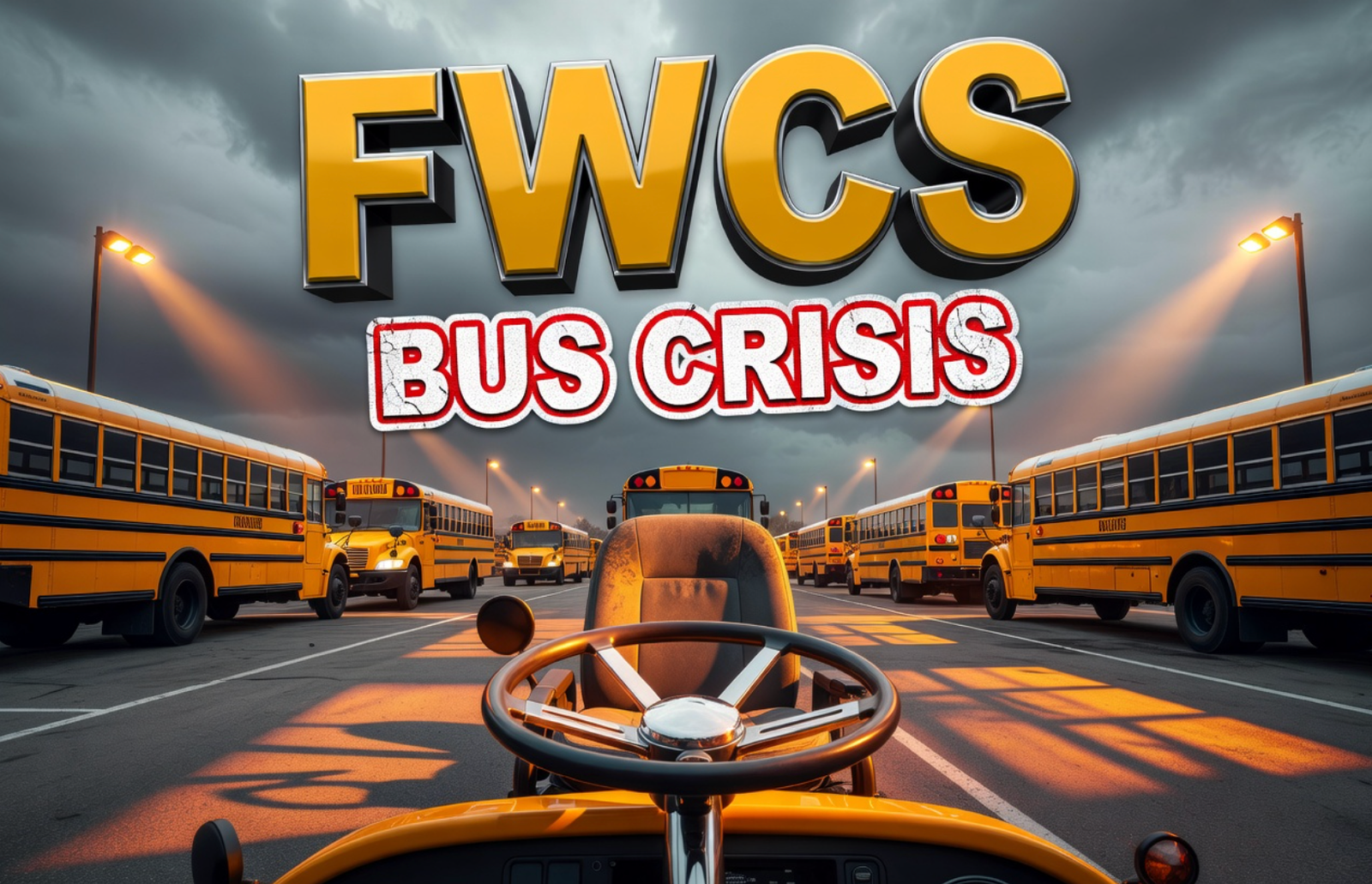
On Saturday, May 16, 2026, FWCS made a bold recruitment move that few school districts have tried. From 11 a.m. to 2 p.m., community members were invited to the FWCS Administration building to experience driving a real FWCS school bus and discover how rewarding and enjoyable being a bus driver can be. This was not just a sit-in-the-seat photo opportunity. The event gave community members a real chance to meet the district’s transportation staff and ask questions about the district’s transportation roles. The message from the district was clear and direct. “We need dedicated individuals like you to help transport our students to school,” FWCS said. The idea behind the event was smart. Many people rule out jobs they have never tried. By putting someone behind the wheel of an actual school bus, FWCS hoped to break down that hesitation and show that the job is more reachable than most people assume. The district is currently looking for 10 to 15 more drivers to add to its fleet. That gap may sound small, but in a transportation network serving thousands of students every single morning, it creates a ripple effect that sends entire schools home.
Why CDL Drivers Are So Hard to Find
This shortage did not happen overnight. It is the result of years of pressure building on one of the most overlooked roles in public education. FWCS Superintendent Mark Daniel says competition for drivers with a commercial driver’s license is tough, and tighter regulations are also straining the district’s transportation department. The CDL requirement is a major barrier. As of February 7, 2022, Indiana drivers applying for their first Class A or Class B CDL, or adding a school bus endorsement, must complete Entry-Level Driver Training, known as ELDT. This added layer of required training takes time and money that many potential candidates simply do not have. Experts note that the driver shortage is not merely a local staffing issue, but a systemic challenge involving certification hurdles, competitive wage gaps, and regulatory bottlenecks. The private sector also plays a role here. Trucking companies, logistics firms, and delivery services are all chasing the same pool of CDL holders, often offering higher base pay and more consistent hours than a school district can match. A school bus driver typically works split shifts, early mornings and midday routes, which can make it difficult to hold as a full-time job for many working adults. As one bus company official put it bluntly, “There’s a shortage; it’s everywhere. It’s not just us, it’s not just this area, it’s nationwide.”
Big Bonuses and Benefits Now on the Table
FWCS knows it cannot fix the CDL pipeline overnight. So the district is doing what it can right now: making the job worth it financially. Superintendent Mark Daniel laid out the package directly:
- $5,000 sign-on bonus for new hires who already hold a CDL
- $3,000 performance bonus for drivers who meet district standards
- Full health benefits as part of the overall compensation package
- Substitute bus driver positions also available with flexible scheduling
- Substitute drivers are paid between $16 and $18 per hour based on experience
Daniel put it plainly: “A vital component of what we do every day is to provide transportation for our students, so there is a $5,000 sign on bonus. We also have a $3,000 performance bonus, plus health benefits. But it is critical right now because we are having to rotate our high schools into virtual learning, which we know is not the best for our students.” That last part deserves to sit for a moment. The superintendent of one of Indiana’s largest school districts is publicly acknowledging that his students are being pushed onto screens because there are not enough people to drive a bus. Experts widely recognize that consistent transportation is essential for maintaining student attendance and ensuring equitable access to schooling. Virtual learning days due to transportation failures hit lower-income families the hardest, those who cannot easily pivot to carpooling or working from home. Starting in the 2025 to 2026 school year, FWCS students are also required to scan their ID badges when getting on and off school buses, a system designed to improve safety and accountability by tracking exactly who is on each bus at any time. The district is investing in safety upgrades even as it struggles to fill the seats that operate those buses. The situation in Fort Wayne is a mirror of what is playing out across the country. Students are sitting home staring at laptops, not because schools are closed or unsafe, but because no one showed up to drive the bus. The ‘Test Drive a School Bus’ event was creative, it was bold, and it showed the district is willing to try anything. Whether it turns curious community members into licensed drivers is the real question now. For nearly 12,000 students who depend on that yellow bus showing up every morning, the answer cannot come soon enough. What do you think about school districts using hands-on events like this to tackle the driver shortage? Drop your thoughts in the comments below.










Walmart’s $50 Million Opioid Settlement Closes Case Without Admission

California Sues Over $120 Million Morro Bay Wind Lease Buyout

Gilead Bixlenvo FDA Nod Opens Single Pill Path for Complex HIV Cases

Meta’s $18B Kids Deal Forever Shields Data Used to Spot Under-13s

Lettuce Outbreak Drove Record Cyclospora Spike Across 20 States

Amazon Shaves $20 Off M6 Mac Mini Before It Even Ships

SpaceX Louisiana Port Tests Debt Markets on Orbital AI Scale

Microsoft High Lifts Indexes as Small Caps Crack Support

Apple Replays 2015 Saturday Midnight Preorder for iPhone 18 Pro

Updated COVID Shots Clear FDA but Access Friction Hits High-Risk Groups

Take-Two CEO Pushes Netflix Subs for GTA 6 Extended Look

Wildlands Free Update Hands Players the Tools They Already Invented

Destiny 2 Fans Unlock Vaulted Maps After Live Service Ends

Quake Gets 19 Free Maps From MachineGames Quake Club

Quordle Monday Delivers Gavel Crush Speed Ethos Cleanly

Stripe Bid Shows PayPal Moat Cracked After Years of Slide

Tyson’s Five-Year Utah Plant Falls to Cattle Shortage Reckoning

Silver Lake Workday Talks Signal Private Floor for Software

Kennedy Lewis Takes Majority Control of The Greenbrier in $500M Deal

Best Buy Marks 60 Years With Sale That Echoes Its Audio Shop Roots
-

 TECHNOLOGY3 years ago
How to Adjust a Bulova Watch Band – An Easy Guide
-

 News3 years ago
Fred Pentland: Athletic Bilbao’s English mentor who changed the essence of Spanish football
-

 FINANCE3 years ago
Tax Planning for Every Season: Guide to Maximizing Your Tax Benefits
-

 Education3 years ago
African Ministers New Education Plan
-

 BUSINESS3 years ago
What is Entrepreneurial Operating System? A Comprehensive Guide to EOS
-

 Education3 years ago
Innovate Your Learning Journey with Technology and Enhance Education
-

 News3 years ago
Russians formally out of World Athletics Championships
-

 BUSINESS3 years ago
Top 9 Most Expensive American Cities to Rent an Apartment