
Allen County leaders in Indiana have greenlit a major shift in how residents vote, moving from fixed precinct spots to flexible vote centers across the county. This change, approved by the County Council on October 9, 2025, aims to boost voter access starting with the 2026 elections, but it still needs final okay from state officials.
What the Vote Center Plan Means for Voters
The new setup replaces the current system of 110 precinct based polling places with just 53 vote centers. Voters can now pick any of these spots to cast their ballot, no matter where they live in the county. This mirrors how early voting works today, where people already have that freedom at centralized sites.
Officials say this update will make voting simpler for busy folks. For instance, someone stuck in traffic on the way home from work in a different part of the county can drop by the nearest center without worry. The plan came after months of talks, including public meetings back in August where folks shared their thoughts.
The Election Board first floated the idea in summer 2025, starting with a proposal for fewer than 40 locations. But after hearing from residents, they bumped it up to 53 to cover more ground. This adjustment shows how community input shaped the final version.
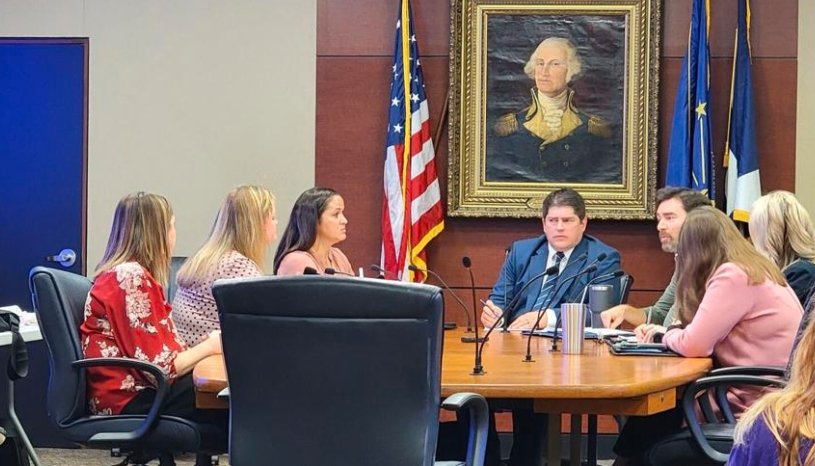
Views from Key Political Figures
Republican leaders in Allen County cheer the move as a win for convenience. Steve Shine, the county Republican Chairman, points out how it helps workers with odd hours. He notes that if you live far from your job site, you no longer miss out on voting time. Shine also highlights the practical side, like easing the burden on poll workers.
Democrats see upsides too, but with some cautions. Derek Camp, Wayne Township Assessor and past Democratic Party Chair, calls the system super helpful from his own past experiences in areas with vote centers. He agrees it makes things easier overall. Yet Camp worries that cutting locations in half might hurt turnout in less served neighborhoods.
Both sides stress the shared goal of stronger democracy. Shine explains that parties must staff all those precinct spots now, which takes a ton of effort each election cycle. Camp pushes back by saying low turnout spots need more support, not less, to draw people in.
Public Feedback and Community Concerns
Residents have mixed feelings about the switch, based on discussions from recent public forums. Many praise the flexibility, especially for families juggling schedules or those without easy transport to their old precinct. One common theme is how it could lift voter numbers by removing barriers.
But not everyone is on board. Some fear that fewer centers mean longer lines or tougher access for rural or low income areas. In August meetings, citizens voiced worries about losing local polling spots that feel more personal and closer to home. The board listened and added more sites to address this.
Online chats show similar debates. Folks in local groups talk about how the change might help first time voters or those new to the area. Others point to past elections where precinct voting worked fine, questioning if the switch is worth the risk of confusion.
To break down the differences, here is a quick comparison:
| Aspect | Old Precinct System | New Vote Centers System |
|---|---|---|
| Number of Locations | 110 fixed spots | 53 flexible sites |
| Voter Choice | Only your assigned precinct | Any center in the county |
| Staffing Needs | High, spread across many | Lower, concentrated efforts |
| Start Date | Current until 2025 | 2026 elections onward |
Benefits and Potential Drawbacks
The perks of vote centers stand out for modern life. They cut down on the hassle of finding your exact spot, which can confuse newcomers. Data from other Indiana counties with similar systems shows higher turnout rates, sometimes by 5 to 10 percent in busy election years. This could mean more voices heard in Allen County, home to over 400,000 people.
On the flip side, drawbacks include the drop in locations. Underserved spots might see dips if centers are too far. Officials plan extra outreach, like mobile units or rideshare partnerships, to counter this. Recent trends in voter access, like expanded early voting nationwide, tie into this push for ease.
Experts note that states like Colorado have thrived with vote centers for years, leading to smoother elections. Allen County hopes to follow suit, but success depends on clear info campaigns.
Here are key benefits highlighted by supporters:
- Greater flexibility for voters on the go.
- Savings on resources, freeing up funds for voter education.
- Easier recruitment of poll workers in fewer, bigger sites.
- Potential boost in overall participation rates.
Timeline and Next Steps for Implementation
The plan kicked off with Election Board approval on September 15, 2025, followed by commissioners on September 29. The Council’s recent nod puts it over the local hurdles. Now, it heads to the Indiana Secretary of State for the final stamp, expected soon given the timeline.
Training for staff starts early next year, with test runs possibly in off year votes. Voters will get maps and guides via mail and online. This builds on 2024 election lessons, where high turnout strained some precincts.
Looking ahead, the change aligns with broader efforts to modernize voting amid rising participation. In 2024, Indiana saw record early votes, and this could keep that momentum.
What do you think about these voting changes in Allen County? Share your views in the comments below and spread the word to friends who might benefit from easier access.