In the ancient city of Xi’an, China, archaeologists uncovered the tomb of noblewoman Cui Shi in 2012, finding it filled with donkey bones that puzzled experts for years. Recent studies reveal she was a passionate donkey polo player who wanted her steeds by her side to continue the game in the afterlife, as detailed in fresh research published this week.
The Surprising Tomb Discovery
Workers stumbled upon Cui Shi’s brick tomb during routine excavations in Xi’an, the heart of the Tang Dynasty from 618 to 907 AD. Inside, they found scattered bones of three donkeys alongside items like a stone epitaph and a lead stirrup, remnants left after looters had taken most valuables. At first, the presence of these work animals seemed out of place for a high status woman who died at age 59 in 878 AD.
Experts from the Shaanxi Academy of Archaeology led the initial dig. They noted the donkeys were not typical burial companions for elites, who usually honored horses or other symbols of power. Radiocarbon dating placed the bones around 1,140 years old, matching the Tang era perfectly. This odd mix sparked debates on why such lowly beasts shared space with a noble.
Further analysis showed the donkeys were about six years old, a prime age for activity. Their skeletons displayed signs of stress from riding, like thickened leg bones, hinting at more than just labor use.
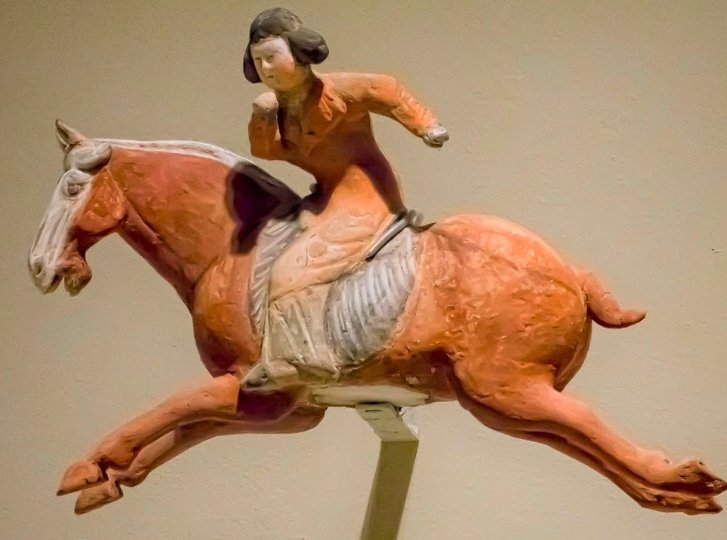
Donkey Polo’s Place in Tang Society
Polo, known as a thrilling sport, traces back to Persia and boomed in China during the Tang Dynasty. Emperors and nobles played it to show skill and build alliances, but horse versions proved risky, with one ruler even dying from a fall. To make it safer, elites turned to Lvju, or donkey polo, using steadier animals that reduced falls and injuries.
Historical texts describe court ladies joining in donkey polo matches, breaking gender norms of the time. It became a social event for women and older players, offering fun without the dangers of speedy horses. Donkeys, smaller and more reliable, allowed for longer games on stable mounts.
This variant spread among the upper class, as seen in records of imperial promotions based on polo wins. Bao Gao, Cui Shi’s husband, rose to general after excelling in a match, later becoming governor of key provinces under Emperor Xizong.
- Key features of donkey polo in Tang China:
- Safer alternative to horse polo, with fewer injuries reported.
- Popular among women and elders for its steady pace.
- Used in court events to test generals’ agility and teamwork.
- Donkeys chosen for their endurance during long matches.
Cui Shi’s Passion for the Game
Cui Shi came from a prominent family, marrying into one tied to military fame through polo. Her husband’s success on the field likely inspired her own interest, as Tang women often participated in court sports. Documents from the era mention noble ladies riding donkeys in polo, dressed in fine silks while chasing the ball.
Researchers believe Cui Shi requested the donkeys’ sacrifice at her burial to ensure eternal play. This act shows deep attachment to the sport, rare for women whose roles were often domestic. Her tomb’s layout, with donkeys near the entrance, suggests they were positioned for her afterlife journeys.
One expert noted the uniqueness of this find, as no other elite tomb held donkey remains. It paints Cui Shi as a trailblazer, blending leisure with legacy in a male dominated world.
What the Bones Reveal About Ancient Life
Advanced bone studies confirmed the donkeys were athletic types, not just pack animals. Their leg bones showed wear from quick turns and stops, typical of polo action. Isotope analysis indicated a diet rich in grains, fitting for prized sport animals rather than field workers.
This evidence marks the first physical proof of donkey polo, beyond old texts. It highlights donkeys’ elevated role in elite circles, challenging views of them as mere burdens. In Tang times, these creatures pulled carts by day but served as steeds for fun at night.
| Aspect | Horse Polo | Donkey Polo |
|---|---|---|
| Speed and Risk | High speed, frequent injuries like falls | Slower pace, steadier ride for safety |
| Player Types | Mostly men and young warriors | Women, elders, and nobles seeking fun |
| Cultural Role | Military training and imperial shows | Social recreation and gender inclusive events |
| Animal Use | Valuable war horses, rarely sacrificed | Common donkeys, occasionally honored in burials |
Such details help reconstruct daily life, showing how sports bridged classes and genders.
Broader Impact on History and Today
This discovery links to wider Tang trends, where polo fostered diplomacy and health. Emperors hosted matches to scout talent, much like modern sports scouts. It also reflects beliefs in afterlife continuity, common in ancient China where grave goods ensured comfort beyond death.
Today, the story inspires looks at women’s roles in history. Polo evolved into global sports, but donkey versions remind us of adaptive innovations. Recent excavations in Xi’an uncover more Tang sites, potentially revealing similar tales.
Experts urge more digs to explore gender dynamics in ancient sports. This find adds depth to our understanding of a vibrant era, proving even nobles chased passions across worlds.
Share your thoughts on this fascinating Tang Dynasty tale in the comments below. What other ancient sports surprise you? Pass it on to friends who love history.