
Archaeologists in Spain have uncovered conch shells from Neolithic sites in Catalonia that people modified into trumpets around 6,000 years ago. These shells, found near the Llobregat River, likely helped with long-distance communication and may have served as early musical instruments, according to a recent study.
The discovery shows how prehistoric communities in the region used natural items for practical needs. Researchers tested the shells and found they produce deep, horn-like sounds that carry far, offering new insights into ancient daily life.
Discovery of the Shells in Catalonia
Experts from the University of Barcelona examined 12 conch shells from sites dating back to 4000 B.C.E. These items came from settlements and mines along the Llobregat River and nearby areas.
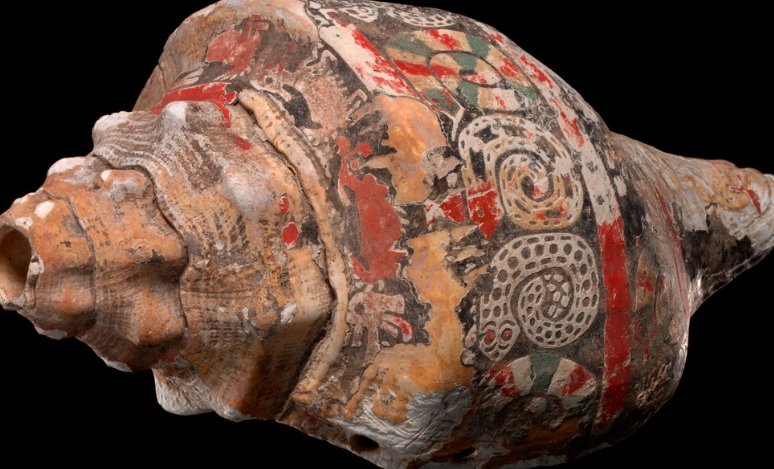
The shells belong to the Charonia lampas species, common in the Mediterranean. People collected them after the snails inside died, pointing to a focus on their use beyond food.
One key find is that the sharp tips of the shells were removed on purpose. This change allowed air to flow through, turning them into sound tools.
Recent digs in the Penedès region east of Barcelona added more shells to the collection. Curators at local museums preserved them well for study.
How the Shells Worked as Trumpets
Tests showed the shells make tones similar to a French horn. Researchers blew into them carefully, recording the sounds under expert watch.
The noise travels over long distances, ideal for signaling in hilly areas. Neolithic groups might have used them to alert others about dangers or gatherings.
Sound experts measured the volume and pitch. The shells produce low notes that echo well in open spaces.
In experiments, the trumpets reached up to a kilometer away without modern tools. This matches how ancient people communicated before writing.
Links to Prehistoric Life and Culture
These shells tie into broader Neolithic practices across Europe. Similar items appear in France and Germany, showing trade or shared ideas.
In Catalonia, they fit with farming communities that built early villages. Mines in the area supplied materials like flint, and shells could have coordinated work.
Experts note the shells might have had ritual roles too. Some show wear from repeated use, hinting at music in ceremonies.
Comparisons with modern conch trumpets in Pacific cultures help understand their function. Those groups use them for calls during hunts or events.
- Shells modified by removing the apex for airflow.
- Produced sounds in the range of 100 to 200 hertz, like brass instruments.
- Found in clusters near rivers, suggesting community use.
- Evidence of red pigment on some, possibly for decoration.
Recent Studies and Expert Views
A study published this year in the journal Antiquity details the findings. It builds on earlier research from the 1930s but uses new tech like acoustic analysis.
Lead researchers played the original shells, confirming their power. They worked with musicians to recreate possible tunes.
This fits with trends in archaeology, where sound recreations reveal lost knowledge. Similar work on cave art in France links echoes to rituals.
Experts say these trumpets show advanced thinking in prehistoric Spain. They challenge ideas that early tools were simple.
| Aspect | Details |
|---|---|
| Age | 6,000 to 6,700 years old |
| Location | Catalonia, near Llobregat River |
| Material | Charonia lampas conch shells |
| Modifications | Apex removed, some with mouthpieces |
| Sound Range | Similar to French horn, carries 1 km |
| Possible Uses | Communication, signaling, music |
Impact on Modern Understanding
This find changes views on Neolithic tech. It shows people innovated with nature for social needs.
In today’s world, it connects to ongoing interest in ancient sounds. Museums now plan exhibits with audio demos.
Researchers call for more digs to find similar items. This could map communication networks across ancient Europe.
The study highlights Catalonia’s rich history, boosting local tourism and education.
What do you think about these ancient trumpets? Share your thoughts in the comments or pass this story to a friend interested in history.