
Archaeologists in Wisconsin have uncovered 16 ancient canoes at the bottom of Lake Mendota, revealing insights into Native American life from thousands of years ago. This discovery, announced in late 2025, shows how Indigenous people used the lake for travel and community sharing, with the oldest canoe dating back about 5,200 years.
The Stunning Find in Lake Mendota
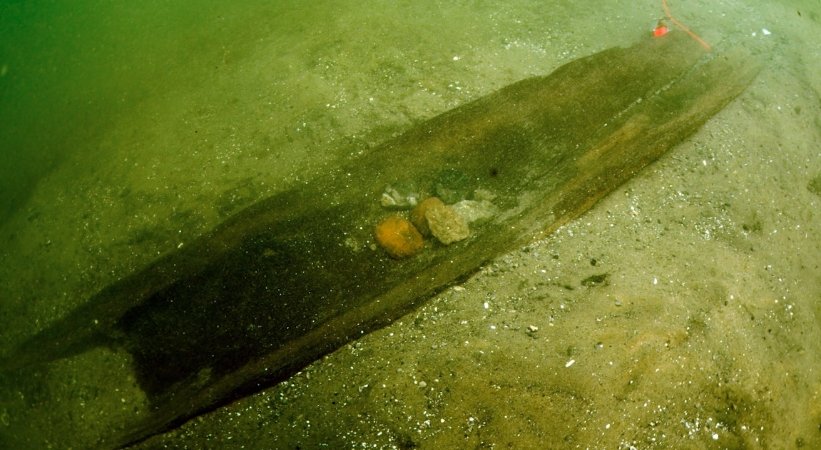
Divers first spotted what looked like old logs in Lake Mendota near Madison, Wisconsin, back in 2021. Over the years, experts from the Wisconsin Historical Society have mapped out 16 submerged canoes along the shore.
These wooden vessels range from small boats to larger ones, all made by hollowing out tree trunks. The site sits in a shallow area where ancient people likely pulled up their canoes.
Recent dives in 2025 added more to the count, bringing the total to 16. Researchers used sonar and careful mapping to locate them without disturbing the lake bed too much.
This find ties into broader studies of Great Lakes history, where similar artifacts have turned up in places like Michigan and Minnesota. Experts say Lake Mendota’s calm waters helped preserve these items for so long.
Ages and Types of the Canoes
The canoes span a huge timeline, from recent centuries to deep in prehistory. Carbon dating has given precise ages for many of them.
Here is a breakdown of some key canoes found:
| Canoe Number | Estimated Age (Years Old) | Material | Notable Features |
|---|---|---|---|
| 1 | 5,200 | Elm wood | Oldest known in Great Lakes region, shows early tool marks |
| 2 | 3,000 | Oak | Well-preserved hull, possible repair signs |
| 3 | 1,200 | Birch | Smaller size, likely for single person use |
| 4 | 700 | Cedar | Larger, with carvings suggesting community ownership |
These ages come from lab tests on wood samples. The variety shows how canoe-making skills evolved over time.
Some canoes bear marks from stone tools, while others show fire use in shaping the wood. This mix helps paint a picture of changing technologies among Native groups.
Archaeologists note that the canoes connect to the Ho-Chunk Nation and their ancestors, who have lived in the area for generations.
Theories on the Ancient Parking Lot
Why so many canoes in one spot? Experts think this shore area worked like a modern bike-sharing station.
Indigenous travelers would leave canoes here after crossing the lake, then walk trails to nearby villages. Anyone could borrow one for the return trip.
This idea fits with oral histories from local tribes, who describe shared resources in daily life.
The site’s location near old paths supports this theory. It may have been a busy hub for trade and movement.
Similar setups appear in other archaeological sites across North America, like riverbanks in the Pacific Northwest.
Climate changes over millennia raised water levels, submerging the canoes and preserving them in mud.
Cultural and Historical Importance
These canoes offer clues about daily life for ancient Native Americans in Wisconsin. They show advanced woodworking and navigation skills.
The discoveries highlight the Ho-Chunk people’s deep ties to the land and water. Tribal leaders have joined the research, sharing knowledge to interpret the finds.
This work challenges old views of pre-contact societies as simple, revealing complex networks instead.
In 2025, with growing interest in Indigenous history, these artifacts join exhibits at museums like the Wisconsin Historical Society.
They also link to current events, such as efforts to protect sacred sites amid urban growth in Madison.
Ongoing Research and Future Plans
Teams plan more surveys in 2026 to search for additional canoes or related items. They hope to find tools or settlements nearby.
Preservation efforts include 3D scanning to study the boats without removing them all.
Key ongoing steps include:
- Partnering with Native nations for respectful handling.
- Using tech like underwater drones for safer exploration.
- Testing for DNA or pollen to learn about the environment back then.
- Sharing findings through public talks and online resources.
These steps aim to uncover if a whole village lies under the lake, as some theories suggest.
Experts warn that climate change could affect lake levels, making future digs urgent.
What This Means for Today
This discovery reminds us of the rich history beneath everyday places. It encourages respect for Indigenous heritage in modern America.
As research continues, it could reshape textbooks and inspire new generations to explore archaeology.
Share your thoughts on this find in the comments below, and pass the article along to friends interested in history.