
Archaeologists from the University of California San Diego and the University of Haifa have uncovered three Iron Age shipwrecks loaded with cargo in Tantura Lagoon near the ancient city of Dor in northern Israel. This discovery, made during underwater excavations from 2023 to 2024, offers fresh evidence of maritime trade in the Mediterranean from the 11th century BCE to the 6th century BCE.
Discovery in Tantura Lagoon
The finds happened in Dor Lagoon, also called Tantura Lagoon, along Israel’s Carmel Coast. This spot served as a key port for the ancient city of Dor, a busy hub for ships from places like Egypt, Phoenicia, and later Assyria and Babylon. Divers explored a sandbar where ships often got stuck due to shallow waters and rocks.
Experts used a mix of old and new methods to map the area. They dove into the water and applied tools like 3D modeling and multispectral imaging to spot hidden wrecks. So far, the team has checked about 25 percent of the sandbar, and more digs continue.
This is the first time anyone has found Iron Age cargo right in a port city in Israel. Before, most clues about trade came from digs on land, but these wrecks give direct proof from the sea.
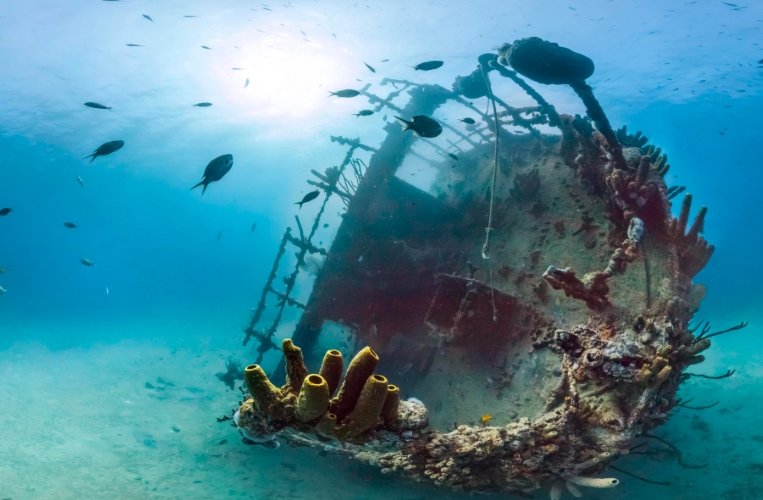
The Three Shipwrecks and Their Ages
The three wrecks stack like layers in an ancient hill, each from a different time in the Iron Age. This period lasted from around 1200 BCE to 586 BCE and saw big changes in the region, including the rise of kingdoms like Israel and Judah.
The oldest wreck, known as Dor M, dates to the 11th century BCE. It shows links to Cyprus and Egypt through its items. Next comes Dor L1 from the late 9th to early 8th century BCE, when Dor fell under Israelite rule. The youngest, Dor L2, comes from the 7th to 6th century BCE, during Assyrian and Babylonian control.
These dates span over 500 years and highlight how trade kept going even as rulers changed.
| Wreck Name | Approximate Date | Key Location Features | Historical Context |
|---|---|---|---|
| Dor M | 11th century BCE | Storage jars and anchor | Trade with Cyprus and Egypt |
| Dor L1 | Late 9th to early 8th century BCE | Phoenician jars and bowls | Under Israelite control |
| Dor L2 | 7th to 6th century BCE | Cypriot amphorae and iron items | Assyrian and Babylonian influence |
Cargo Reveals Trade Secrets
The wrecks held all sorts of goods that tell stories of far-off connections. In Dor M, divers pulled up storage jars and a special anchor with writing from Cyprus. This points to early trade routes after tough times in the region.
Dor L1 carried Phoenician style jars and thin walled bowls, but no signs of Egyptian or Cypriot goods. This matches land finds that show a dip in imports during Israelite times, yet it proves sea travel did not stop.
For Dor L2, the cargo included Cypriot amphorae with resin and grape seeds inside, plus iron blooms from smelting. These items suggest strong ties to Cyprus and local metal work under empire rule.
- Storage jars for food like olives or wine
- Amphorae with handles for carrying liquids
- Iron blooms used in tool making
- Thin walled bowls for daily use
- A composite anchor made of wood and lead
Such cargo shows Dor as a lively center where goods flowed despite wars and shifts in power.
Advanced Techniques Unearth History
The project blended hands on diving with high tech tools. Teams created digital maps of the lagoon floor and used imaging to see through sand. This helped find wrecks without disturbing them too much.
Underwater photos and 3D models let experts study items back on land. They even found grape seeds and resin traces, which labs can test for more clues. These methods make the work safer and more precise than old ways.
Experts say the lagoon traps ships well, with over 26 wrecks from various eras already known there. This site could yield even more finds as digs go deeper.
Impact on Iron Age Understanding
These shipwrecks change how we see trade in the Iron Age. Before, people thought sea routes slowed during certain rules, but the cargo proves activity continued. It shows the Levant as a key link in the Mediterranean world.
The discoveries tie into bigger events, like the growth of the Kingdom of Israel. They also match Bible stories of busy ports. Plus, with only about a dozen Iron Age wrecks known in the whole sea, these three add huge value to history books.
This find highlights Dor’s role in connecting cultures. It reminds us how ancient people navigated risks for trade, much like modern ports handle global goods today. As more gets uncovered, it could rewrite even more about this era.
What do you think about these ancient trade routes? Share your thoughts in the comments below and spread the word by sharing this article with friends who love history.